Training Set up and Drills
0: Dynamic Stretch- Use the end goal and space out so you can pass each other.
1: Four corners (Min 3 per corner)- Meet in Middle, Hi/Lo, Pass Rt-Go Rt, Truck-Trailor
2:Lines-Pressure: Split evenly and run lines from both directions. Do not stagger start much, delay your run and be patient. Pop to oncoming player in a proper pass - oncoming line MUST be moving.
3: Footwork/Ruck: pads/ladders/cones--- on backs head at ladder/flip up and call proper GAP/go as a LINE through ladder - Hit DECK and Pop pad - 1.2.3.
4: 3v2 - Split evenly- more work the more result-- Defenders on belly with pads. Attackers in pushup position, go when Attacker w ball goes.
5: Tackle Grids - 4 x 5-7M grid. 8 in each (4 attack and 4 defend) Attacker say - Ball out - they sprint to one of the corner cones and cut back into grid (defender must read and go to opposite cone). Now attacker picks which line he wants and defender must tackle before he touches CENTER LINE CONE.

in more ways than one
 sportplan_netball


in more ways than one
sportplan_rugby

Your players can pass beautifully in a warm-up grid. Then a defender closes, their lungs are burning, and the ball goes to ground. Here is how to build catch-pass skills that hold up when it matters.

A box kick or up-and-under is only as good as the chase behind it. Here is how to organise your chase line, compete in the air safely, and make sure your own catchers are ready for what comes next.
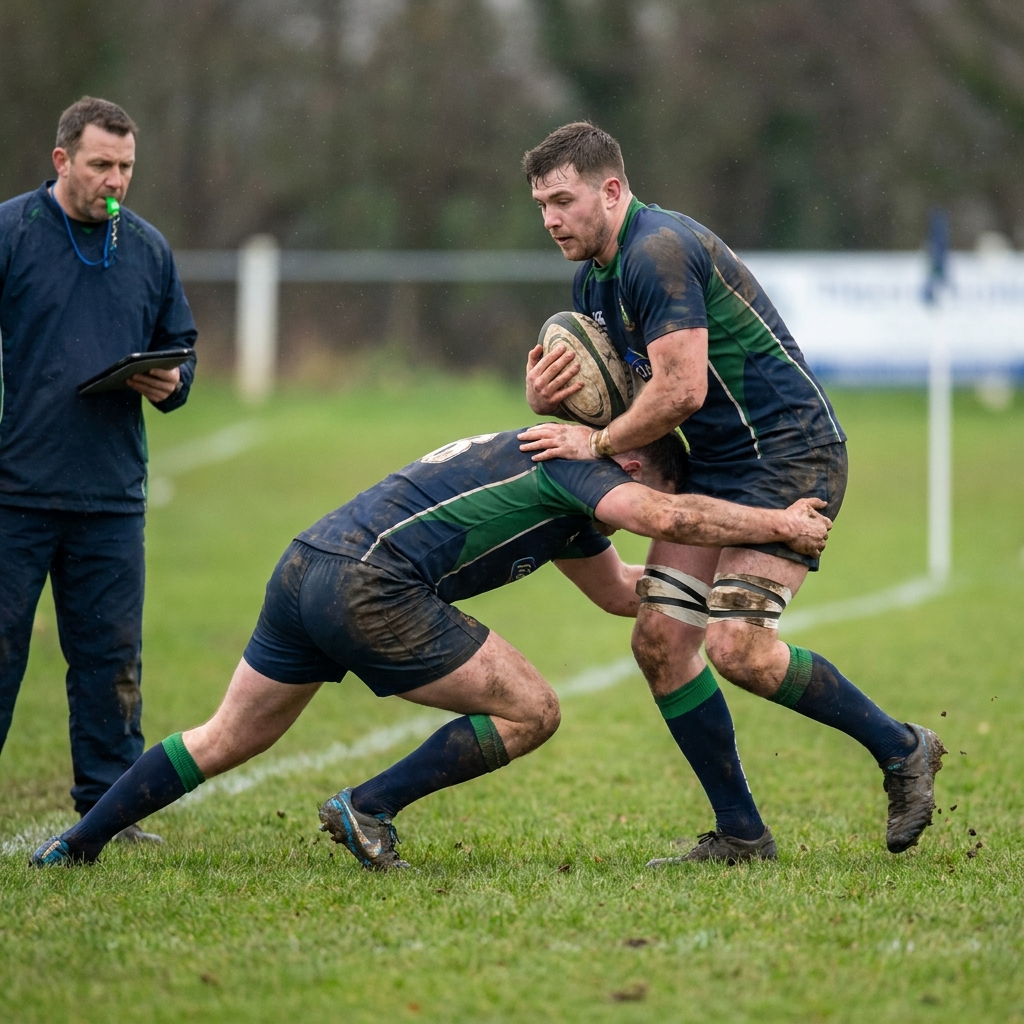
World Rugby's lower tackle height is no longer a trial. It is law in community rugby from this season, and unions choose waist or base of the sternum. Here is how to retrain your defence.