

Receive ball - no coach only show exercise
1. work on both sides
2. nr 1+ 2 score / nr 3 defends
3. If nr 1 starts dribble =start defender.
4. attackers can only have feet towards goal to score. If they score = they won.
- Defender wins:
a) when he gets ball and plays over side line OR
b) attackers don't have feet towards goal = he can shout "feet" = exercise over = he won.
SWEEP HIT - REVERSE BLADE
- 2 cones out for outlet + cones midline put bit inwards turf.
- 1 group outletting shape (4)
- 1 group reverse blade.
- Practice sweep hit -reverse blade + swob group (total 2x 4 min)
- MAKE GAME:
reverse group set time: if they go 3 times around they call STOP. How many times did outlet go back and forth?
Ball from left trapping
- feet towards attacking goal
- let ball get passed you. Stop at dribbling position (where cone is).
- while stopping already start running.
Ball from right trapping
- feet towards goal
- left hand out (away from you, stick right angle)
- stop ball at right foot
- while stopping keep running.
Reverse Blade:
- frying pan grip, hands together
- stick half circle over ground, shoulder action
- bent knees to go low, hands around 20/30 cm off ground
- ball feet position = at least 1 m away
- play with side stick bit above curl.
Sweep hit:
- hands together, double V grip
- half circle, stick on grond + action from shoulder. Squeeze stick
- bent knees, back straight
- ball - feet position = 1 m away

in more ways than one
 sportplan_netball



in more ways than one
sportplan_hockey

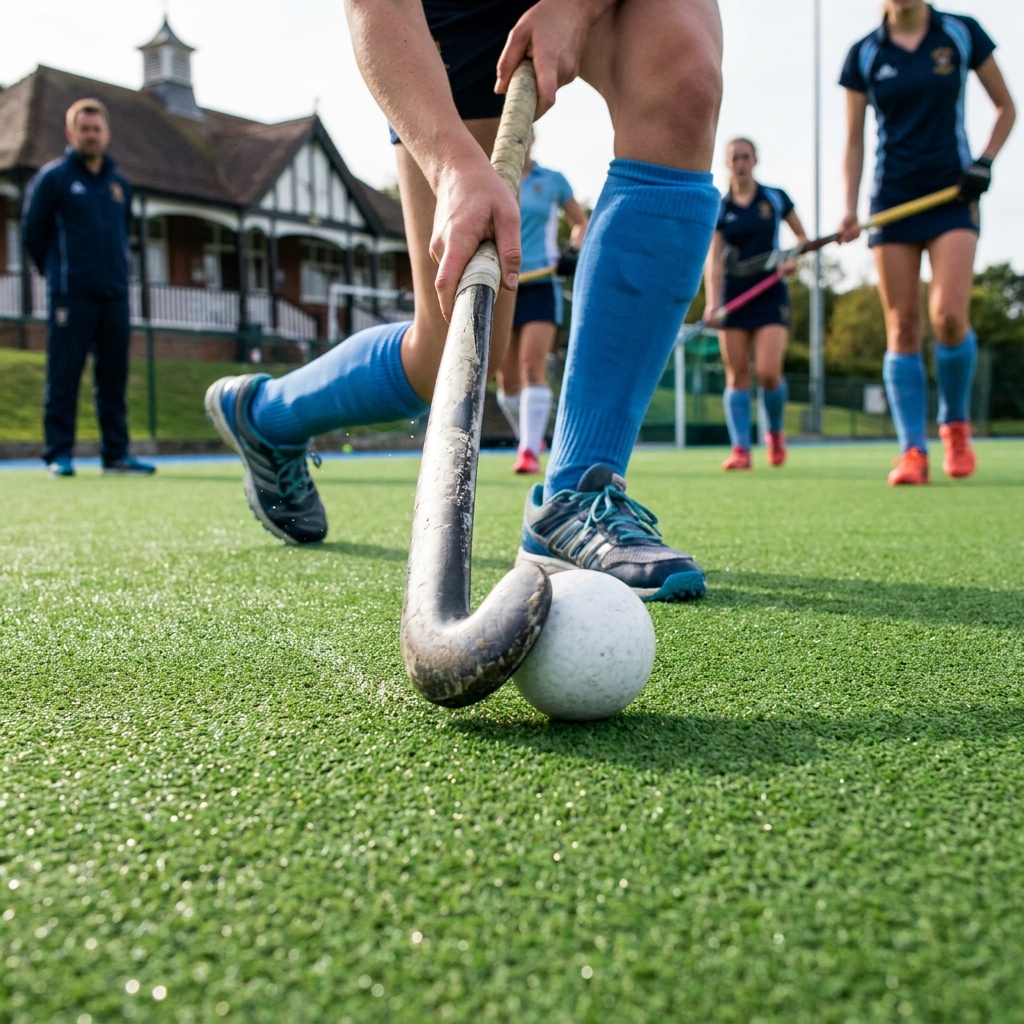
The first weeks of the season decide whether a junior or new player sticks with adult hockey. Here is how to keep them safe, give them a clear job and build their confidence from the very first bully.
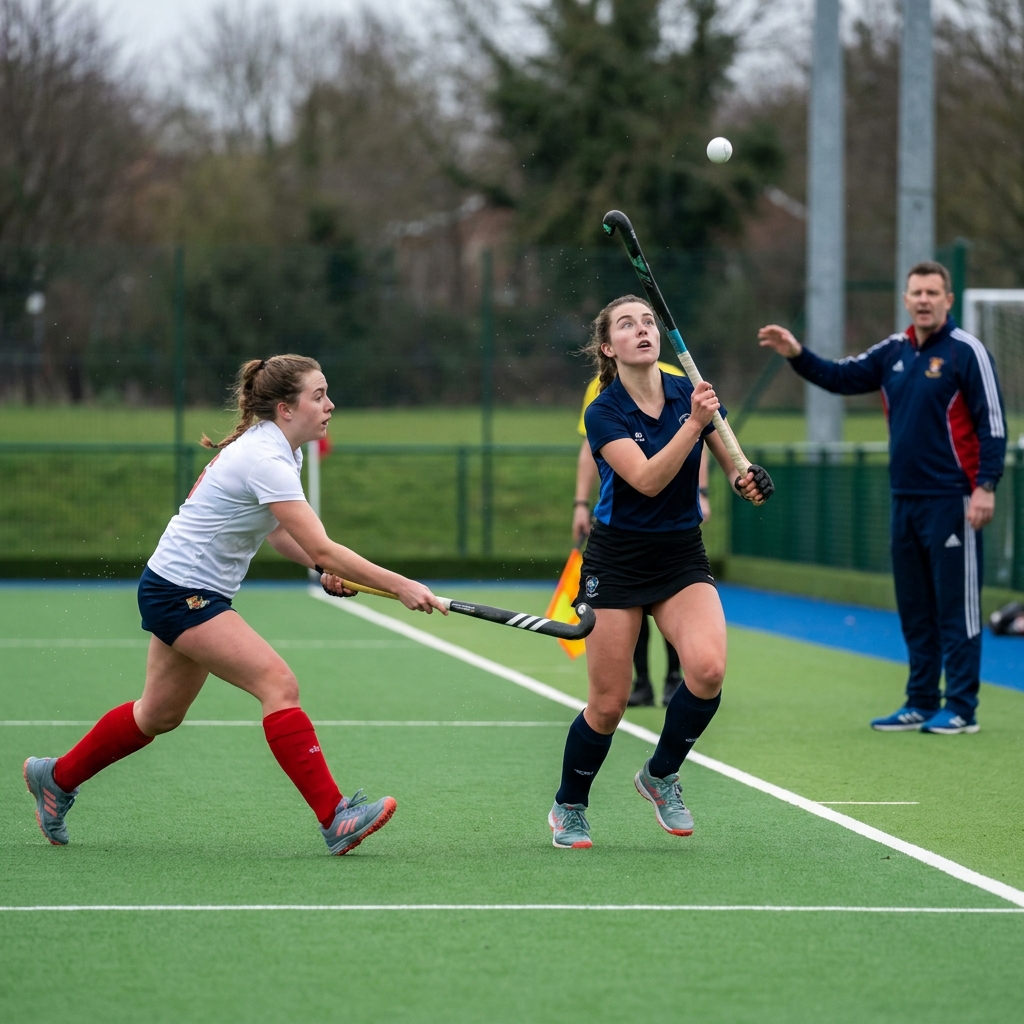
Most tackles are lost before the stick goes down. Teach your defenders to channel, wait and choose the right tackle, and you will win more ball and give away fewer cards.
England Hockey's rule guidance for 2026/27 takes effect from 1 September. Here are the changes that will actually alter how you coach, and how to brief your squad in one pre-season session.









