

Split into 6 teams of equal numbers (probably 5-a-side). MIxed age groups.
Each 3 teams use 1/4 of the pitch. 2 teams in bibs (2 different colours) 1 team non-bib
2 teams start in the area, 3rd team on sideline. Teams score by carrying the ball over the opposite sideline.
Once a team have scored, they turn around and score ove the other sideline.
Conditions:
No tackling
3 touches
If the ball gets intercepted/goes out of the area, the team that lost possession are off, and the team waiting on the sideline are on.
Extra goal awarded for every 2v1 created
Move the ball to go forward - lead runs into space, dont pass through contact.
Apply pressure on receives - team without possession should pressure the player with the ball which forces the ball player to make a decision.

in more ways than one
 sportplan_netball



in more ways than one
sportplan_hockey

The first weeks of the season decide whether a junior or new player sticks with adult hockey. Here is how to keep them safe, give them a clear job and build their confidence from the very first bully.
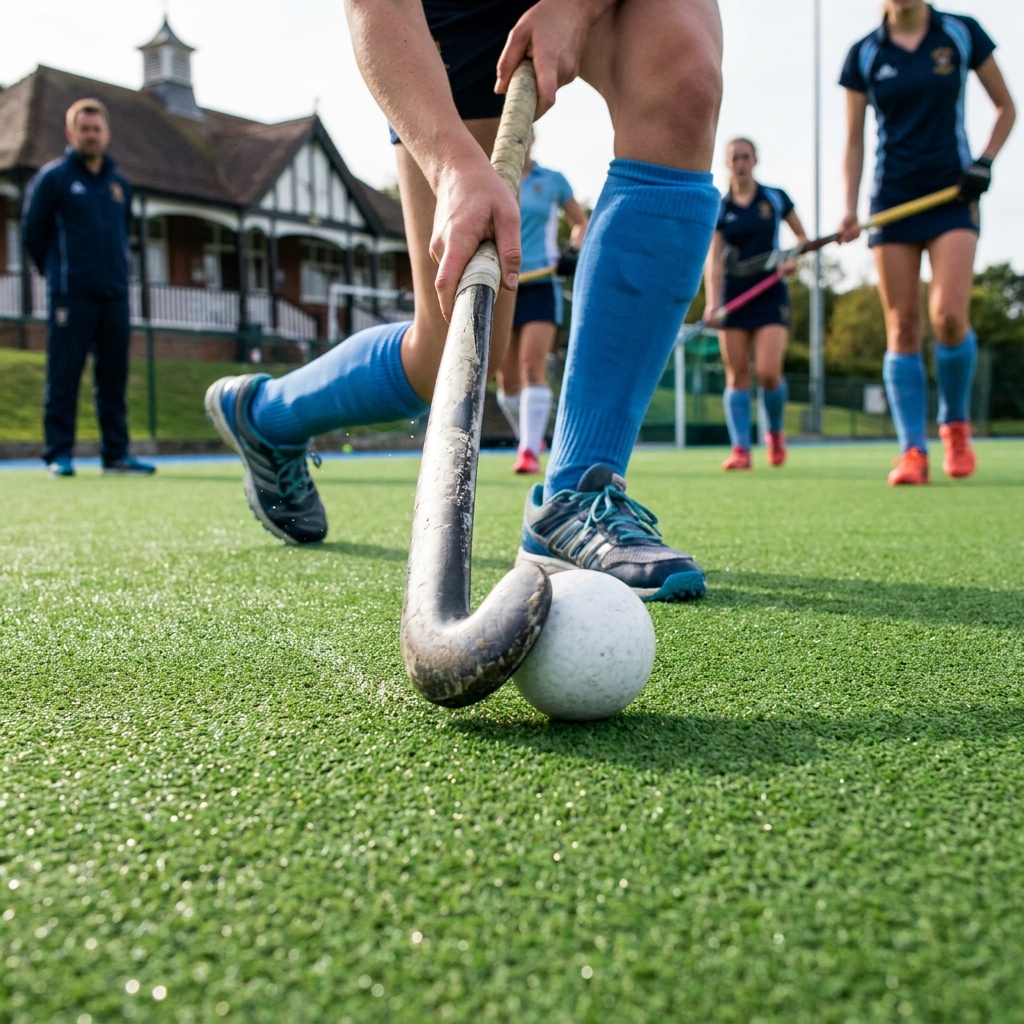
Most tackles are lost before the stick goes down. Teach your defenders to channel, wait and choose the right tackle, and you will win more ball and give away fewer cards.
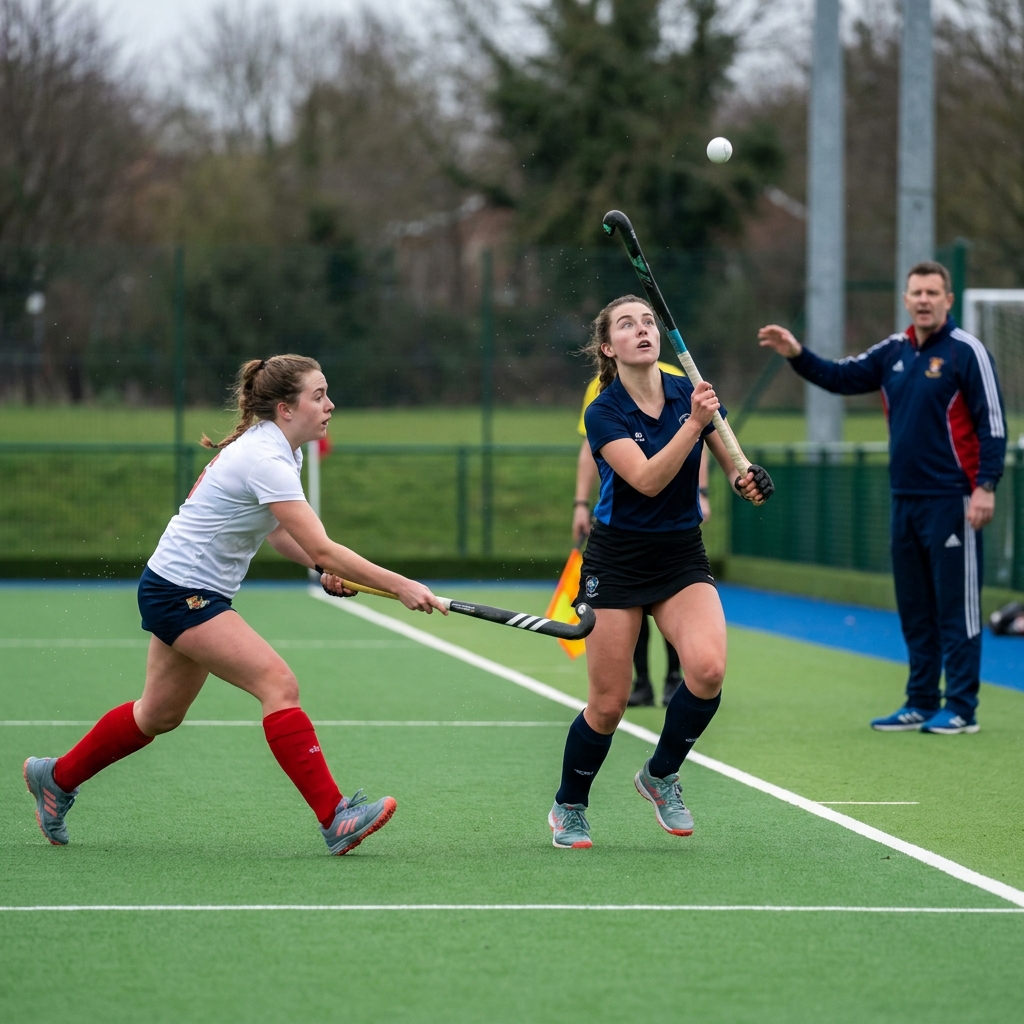
England Hockey's rule guidance for 2026/27 takes effect from 1 September. Here are the changes that will actually alter how you coach, and how to brief your squad in one pre-season session.









