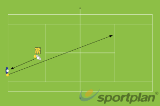
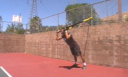
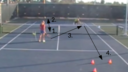
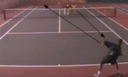
The player performs regular serve. After the serve, the player recovers behind the baseline as fast as possible.
Serve can be an asset or a liability for a player. Own skills and opponent's performance are factors that have impact on the result of our serves. Players have to understand that serve is the only stroke in tennis that is fully dependent on them so they should spend a lot of time on improving this area. Additionally, we have to remember that when players compete on fast surfaces serve can be the most important stroke in a game so players who lack this skill can have big problems while competing on hard or grass courts.
In this drill, the player works on connecting serve and effective recovery. At lower levels of performance opponents don't have really powerful returns so slow recovery after the serve is not deciding for the final result of a point. The higher the performance the more important is recovery because opponents constantly put pressure on us. The coach should explain to players that especially after second serve they have to create a habit of moving behind the baseline as fast as possible. Technical and physical skills should be addressed to improve this area and get expected result. The best thing of this drill is the fact that player can work on this aspect on his own.
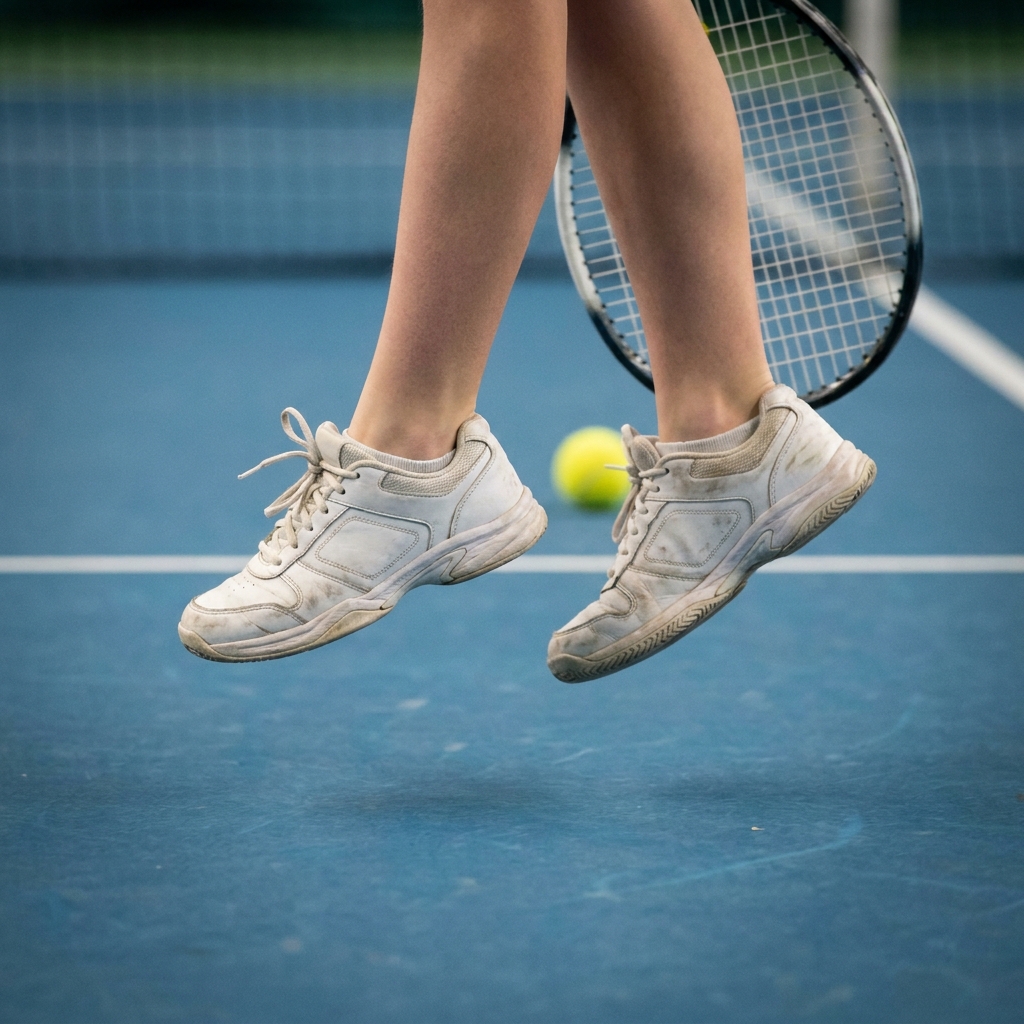
Indoor courts give players less time and less room. Help them sharpen their split step, shorten their swing and stay calm, and winter becomes a season of real progress.
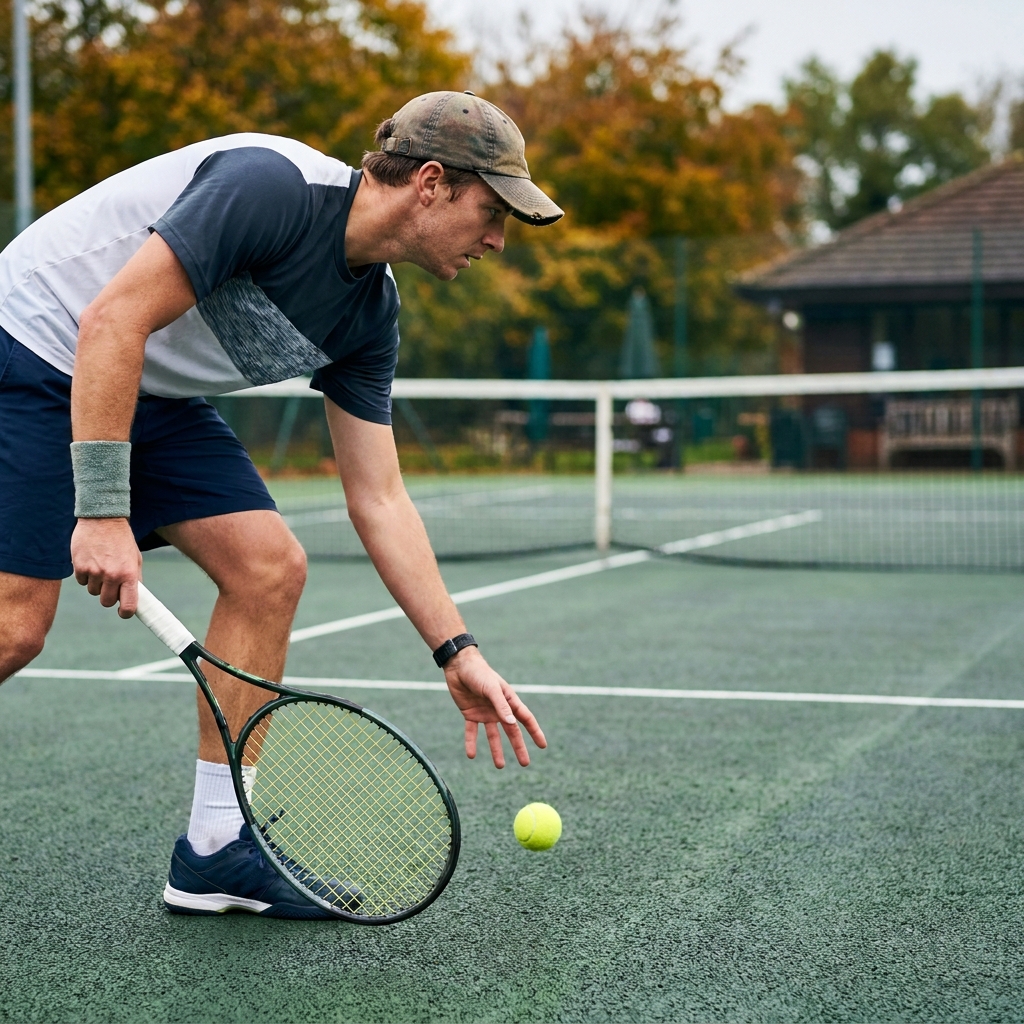
A tiebreak is a short sprint where every point is worth the same as a break of serve. The players who win them are rarely the ones who hit hardest. Here is how to coach the patterns, habits and scoreboard thinking that win the big points.
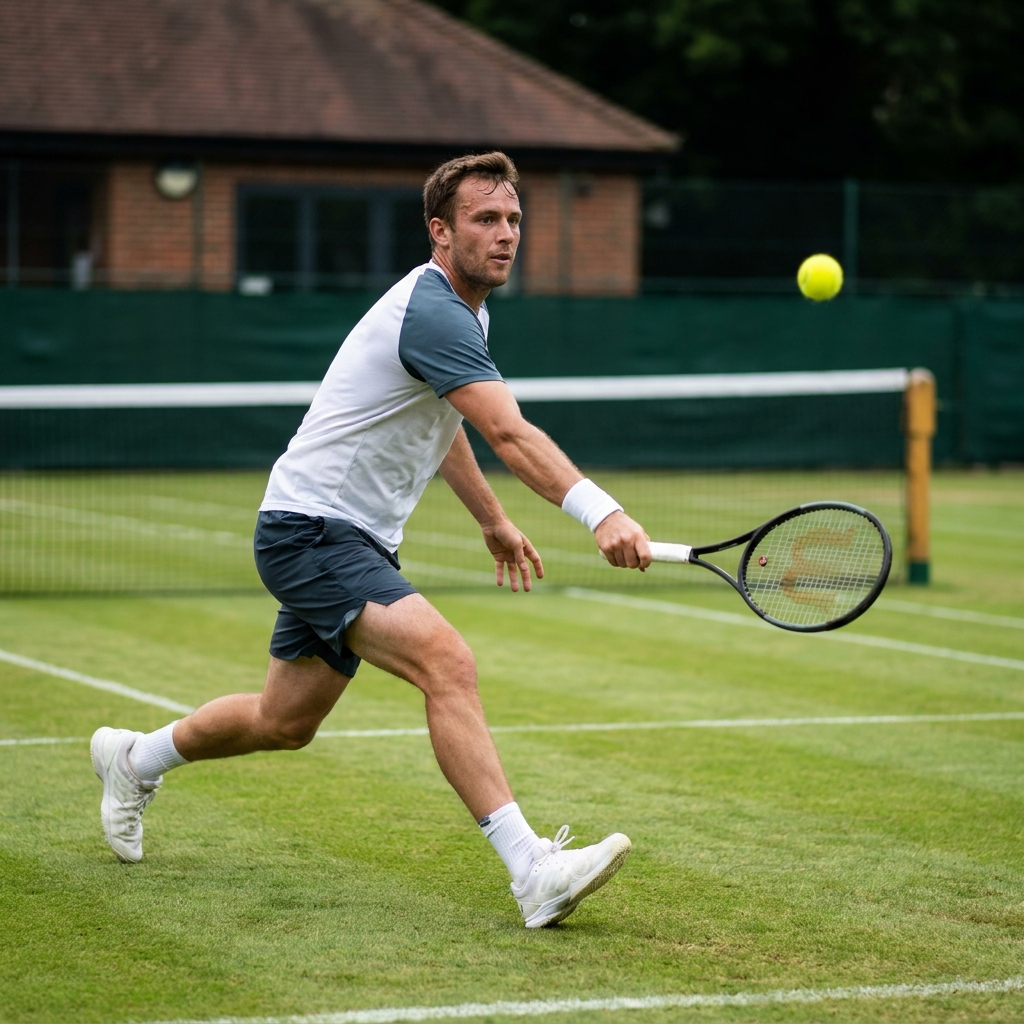
Most club players practise the serve on its own and then have no idea what to do with the ball that comes back. Serve plus one is the pattern that turns a good serve into a won point.


Register for FREE and get coaching tips, top drills, session and more every week!