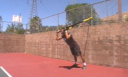
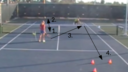
The player stands at the net on the ad side and the coach stands on the baseline on the ad side. Players rally together. The player at the net alternates hitting backhand volley and overhead.
Volley and overhead skills are important not only for individual competition but also for team format of tennis. A lot of players love to play doubles so it is a smart move to learn how to feel comfortable with shots in the air. Players who add these weapons to their repertoire are more dangerous and have more tactical solutions to use during tournament.
In this drill, the player works on technical and physical improvements. Being able to control backhand volley and overheads is a skill that guarantee good quality in singles and doubles. Keeping the rally as long as possible puts emphasis on solid footwork and endurance so players can get better in these areas too. The coach has to explain to players how to use these combination in singles and make players understand that this scenario (moving forward to hit volley and moving back to hit overhead) happens many times during doubles match so players have to feel comfortable hitting these shots. For more advanced players, the coach can set the zone target or set number of shots in a row to achieve to put more emphasis on focus and ability to deal with pressure.
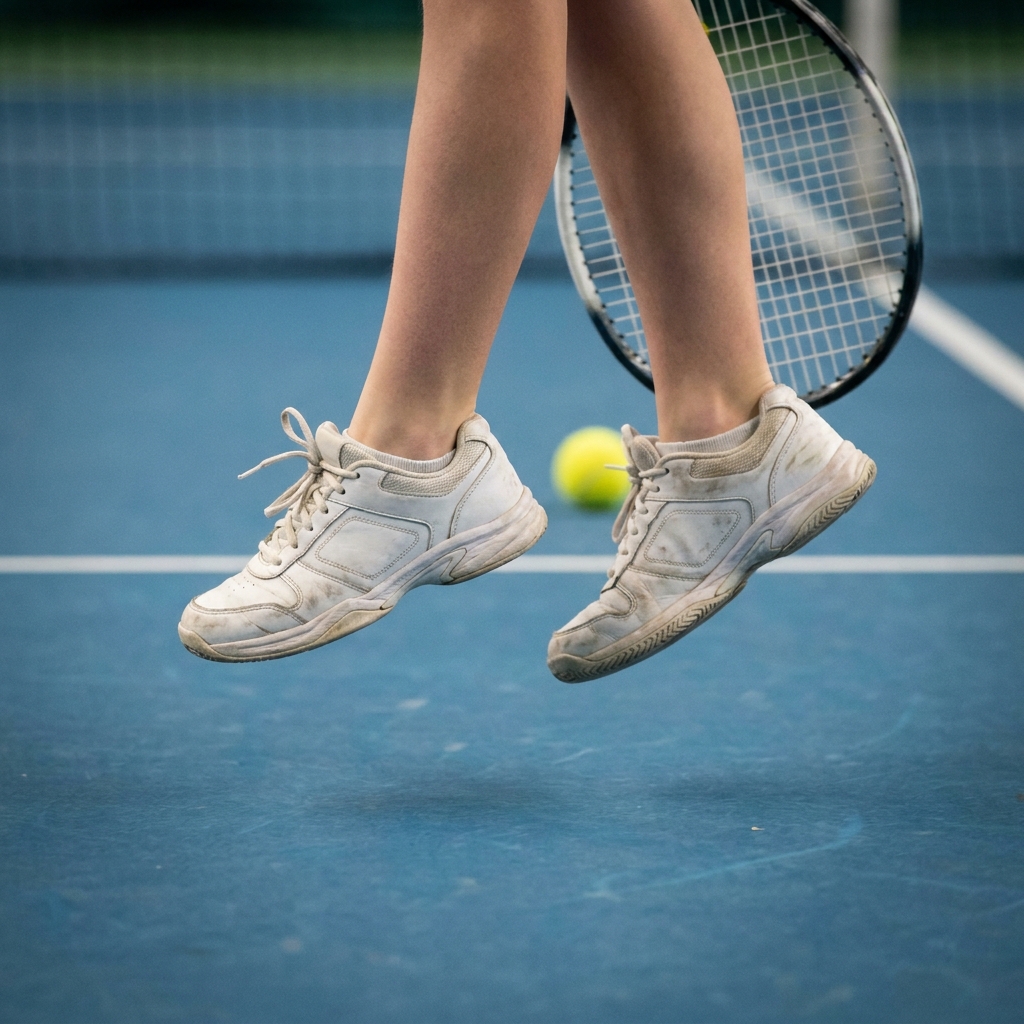
Indoor courts give players less time and less room. Help them sharpen their split step, shorten their swing and stay calm, and winter becomes a season of real progress.
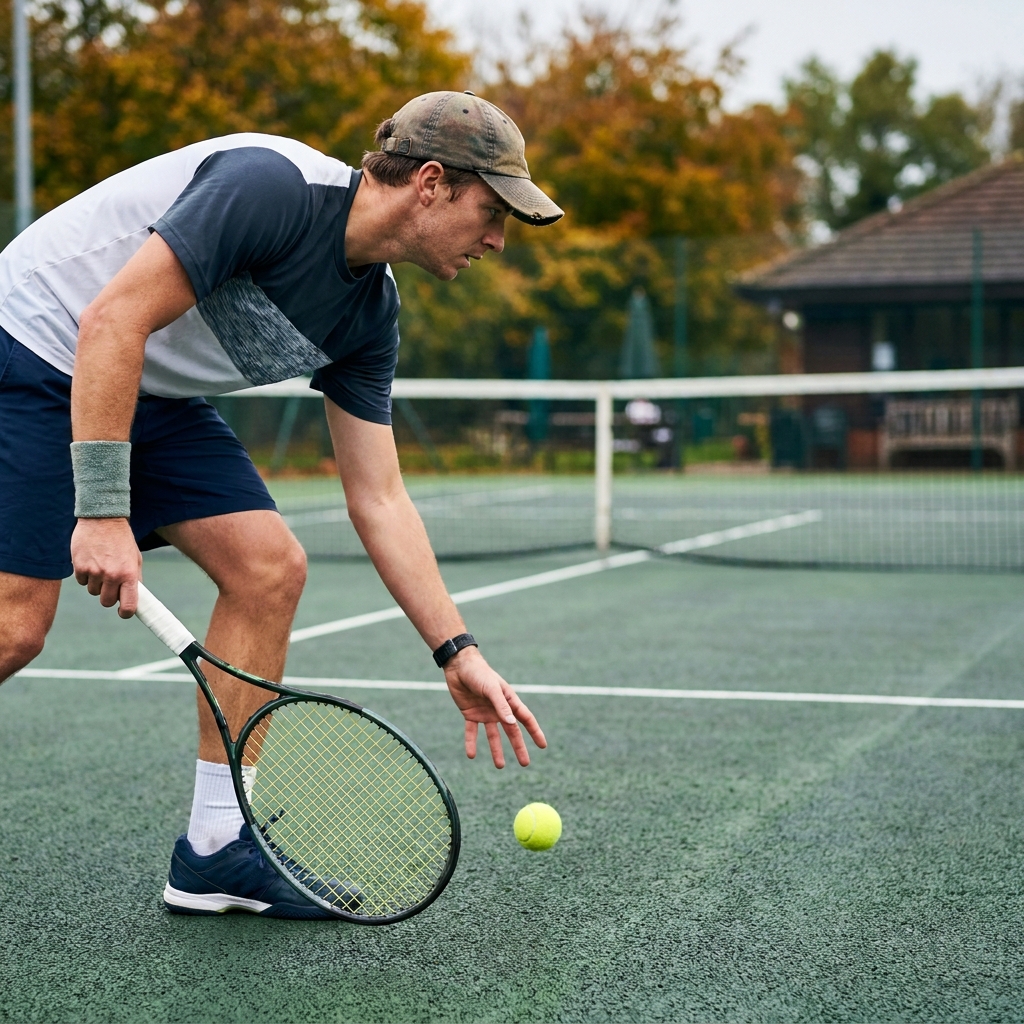
A tiebreak is a short sprint where every point is worth the same as a break of serve. The players who win them are rarely the ones who hit hardest. Here is how to coach the patterns, habits and scoreboard thinking that win the big points.
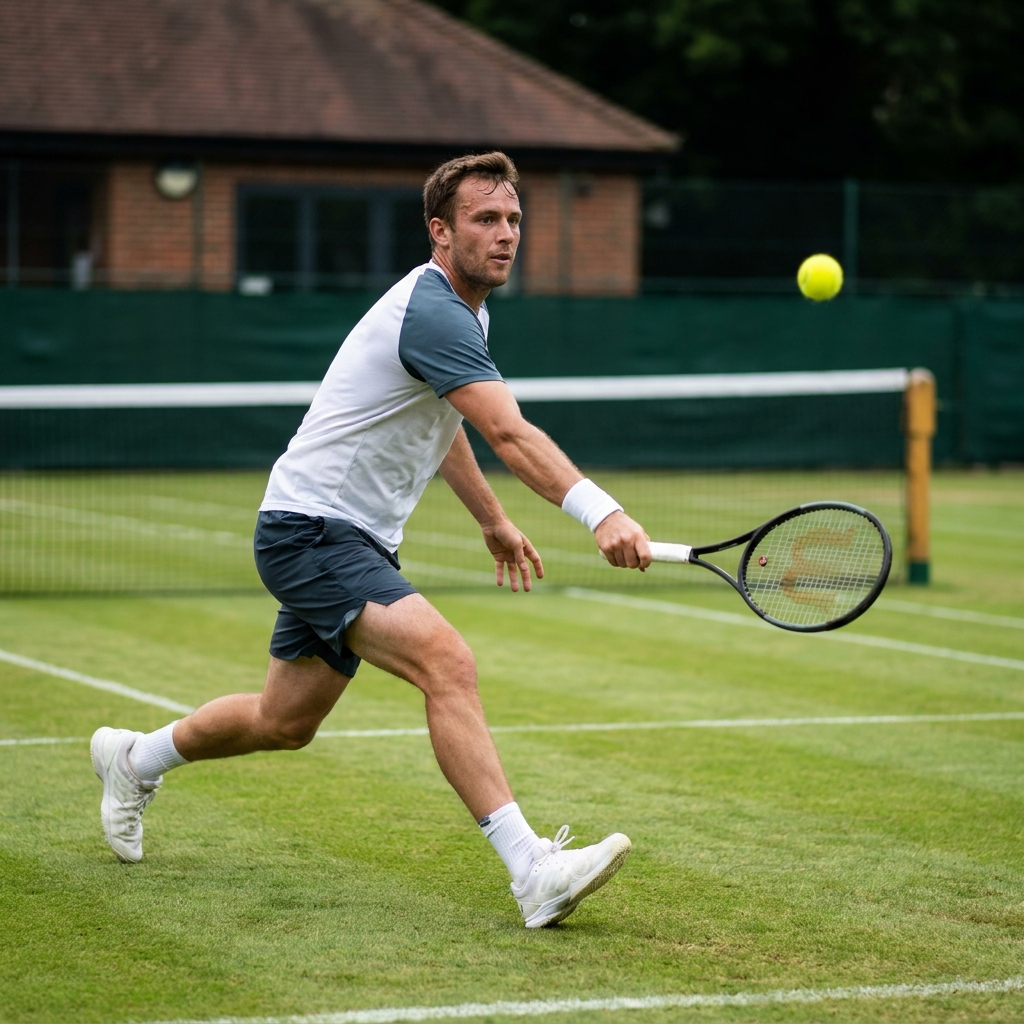
Most club players practise the serve on its own and then have no idea what to do with the ball that comes back. Serve plus one is the pattern that turns a good serve into a won point.


Register for FREE and get coaching tips, top drills, session and more every week!