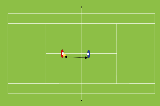
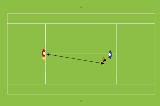
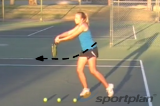
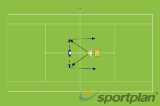
The player starts by standing close to the fence, with the coach throwing the ball to the backhand side. The player then executes a backhand volley back to the coach, with the fence preventing the player from taking too big a backswing.
Taking too big a backswing is a common mistake made by junior players, and also by typical baseline players. They try to add extra power by taking the racquet back but they forget that the ball will be coming at them with more than enough speed, so all they need is control. A short movement of the racquet guarantees consistency so players have to learn how to control their backswing.
This drill helps the player work on shortening their backswing. The player stands close to the fence so that it is an obstacle that prevents the player from taking the racquet back as they will simply hit the fence if they do.
At the beginning of the drill, the coach will throw the ball to the player and catch it. As the drill progresses, incorporate this into a rally.
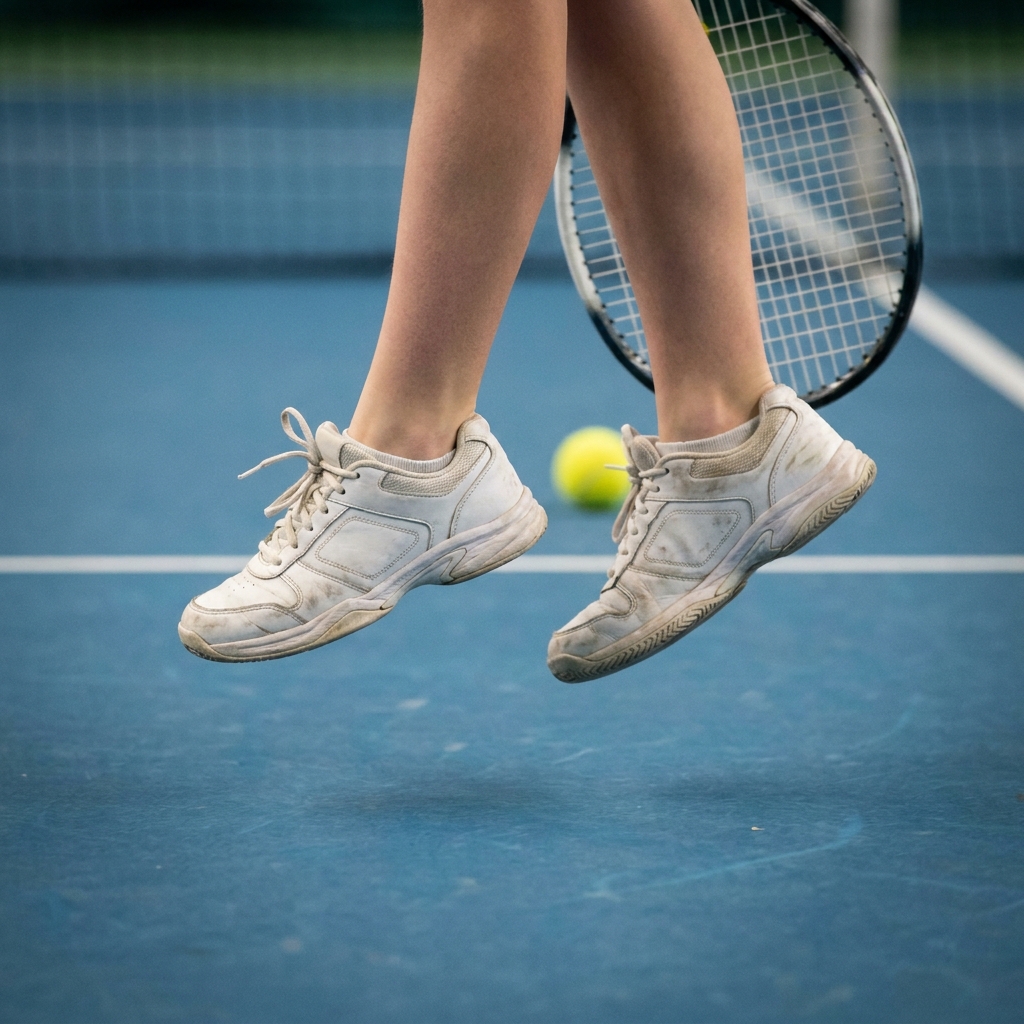
Indoor courts give players less time and less room. Help them sharpen their split step, shorten their swing and stay calm, and winter becomes a season of real progress.

A tiebreak is a short sprint where every point is worth the same as a break of serve. The players who win them are rarely the ones who hit hardest. Here is how to coach the patterns, habits and scoreboard thinking that win the big points.
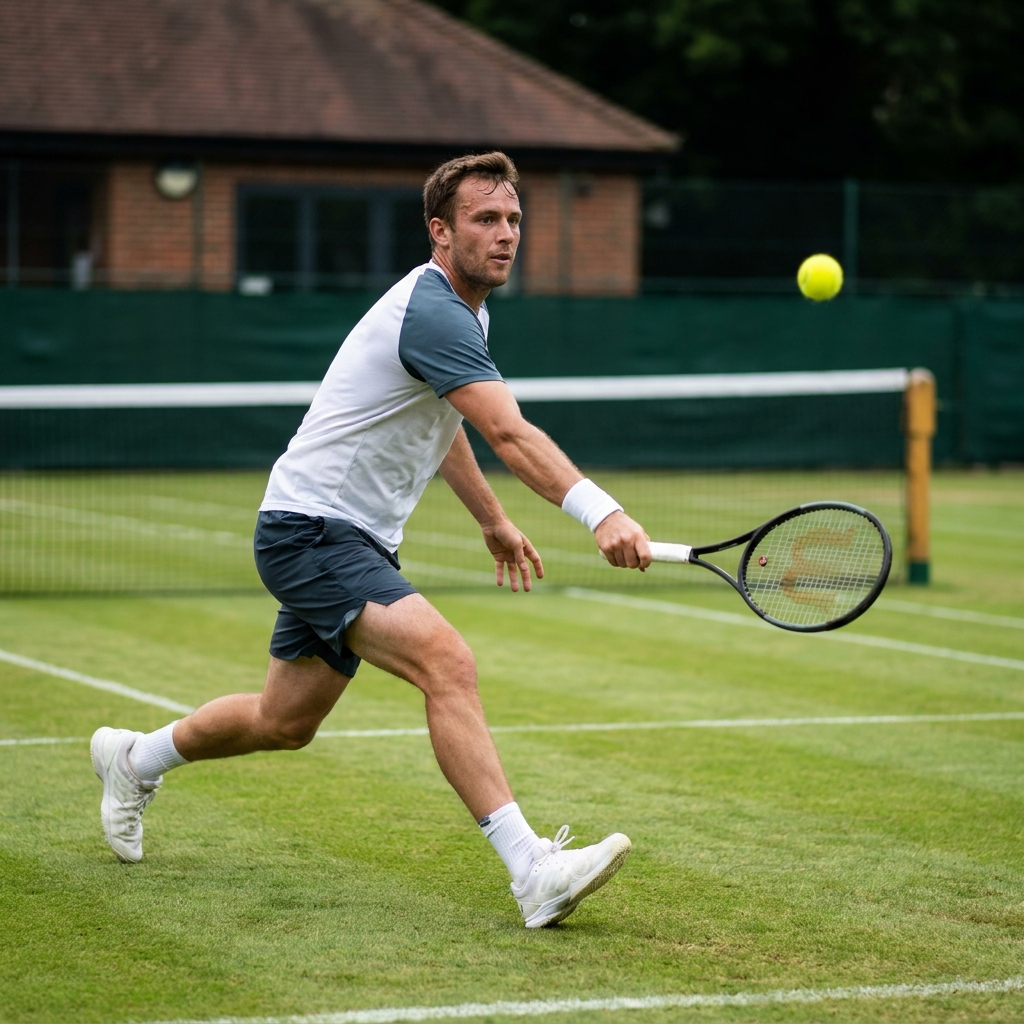
Most club players practise the serve on its own and then have no idea what to do with the ball that comes back. Serve plus one is the pattern that turns a good serve into a won point.


Register for FREE and get coaching tips, top drills, session and more every week!