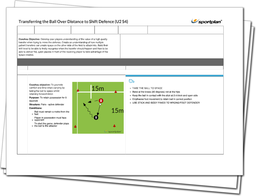
NEW CONTENT Session 4 of 4 Transferring the Ball Series! Bring the series together with the FINAL SESSION!
Transferring the ball is an effective way to shift defences to create gaps in the opposition press. This will eventually make the space to attack into, but it takes some patience and some effective passing.
Recap the technique to be able to transfer at pace with accuracy. Practice the hit and slap and cover movement on the ball to be comfortable at creating the angles for the transfer.
What's in the Session?
The session starts by recapping the technique introduces the disguised hit to the left technique; this is a great exercise to start shifting the defence.
the main bulk of the session starts with a practice which encourages perfect transfer technique to develop ball pace and accuracy. The session then progresses into an intercept game which introduces an extra player in the middle to utilise against the press. This lets the players recognise how the movement of other players can help shift the opposition.
The final part of the session is a modified game used to promote patience on the ball in a game specific situation which helps players recognise crowded areas to transfer away from and attack into the space.
Complete your teams transferring ability with the final session of the series today!

in more ways than one
 sportplan_netball



in more ways than one
sportplan_hockey

A few weeks into the league season, poor first touches are costing teams the ball. Coach body shape, scanning and receiving on the move to keep possession.

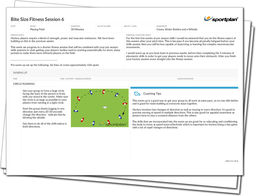
Pre-season fitness fades fast once the league starts. Build conditioning into ball work and use rolling subs well to keep your squad sharp all season.

The first weeks of the season decide whether a junior or new player sticks with adult hockey. Here is how to keep them safe, give them a clear job and build their confidence from the very first bully.