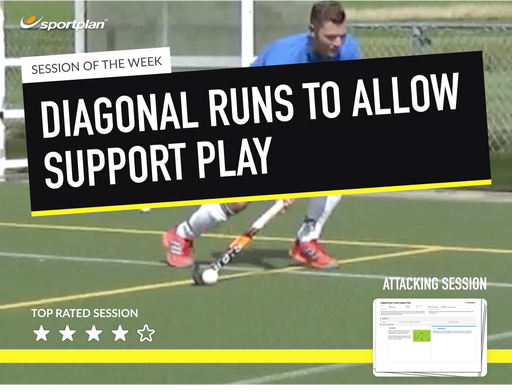
Space is a valuable commodity on a hockey pitch, so you?ve got to work hard to create it. It?s not always who runs the furthest and the hardest who gets the space, sometimes slighter movements can buy a player a pocket of space to receive the ball and create an attack from.
What's in the Session?
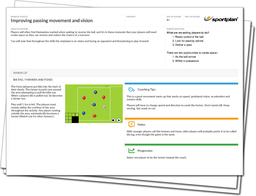
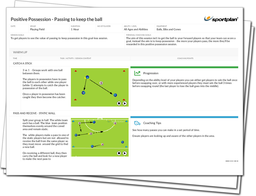
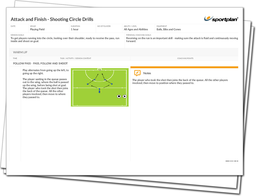
Develop players understanding of where the space is in relation to the defender and how their first touch can manipulate the space to take full advantage of it. The session progresses with this thought going through the spine of the session from the dynamic warm-up to a technical practice to create space before finishing with a conditioned game to put into practice creating space to sustain attacking pressure.
The four drills in this plan are great for groups of all sizes and can be used with groups of 6 players and up. Drills in this plan include:
Develop your teams outletting and create sustained attacks by developing your players ability to create space and take advantage of it when they do.

in more ways than one
 sportplan_netball



in more ways than one
sportplan_hockey

A few weeks into the league season, poor first touches are costing teams the ball. Coach body shape, scanning and receiving on the move to keep possession.

Pre-season fitness fades fast once the league starts. Build conditioning into ball work and use rolling subs well to keep your squad sharp all season.

The first weeks of the season decide whether a junior or new player sticks with adult hockey. Here is how to keep them safe, give them a clear job and build their confidence from the very first bully.