Player passes left, follows his pass and receives it back, passing left again. After his second pass, he joins the group immediately opposite to the cone he was standing on.
broken lines depict pass. Solid curved lines depict players run and relocation. Change direction to warm up both sides of the pass.
This practice has no coaching points
This practice has no progressions

in more ways than one
 sportplan_rugby

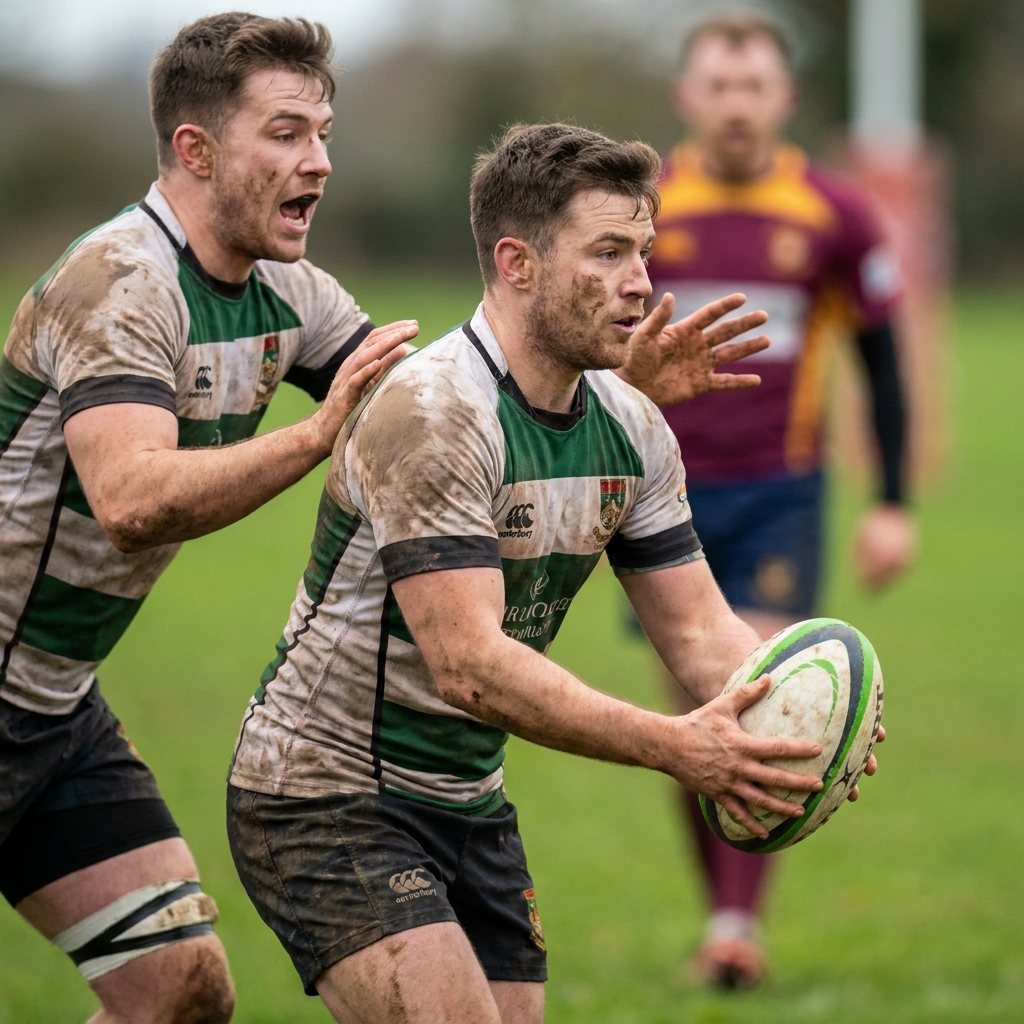
Most line breaks are made by support runners, not ball carriers. Teach the angles, depth and timing that get them there.
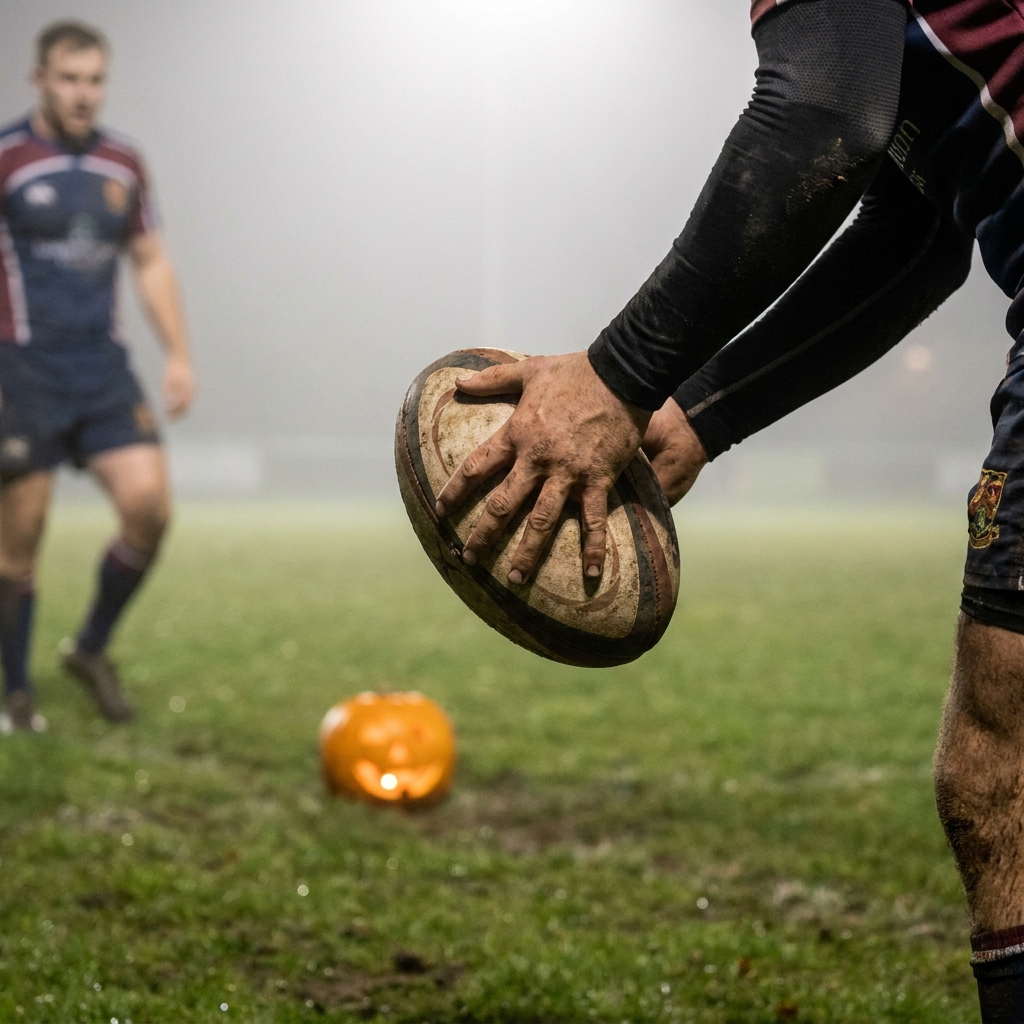
The isolated ball carrier is rugby's spookiest turnover. Here is the five-step fix, plus drills that rebuild support lines fast.
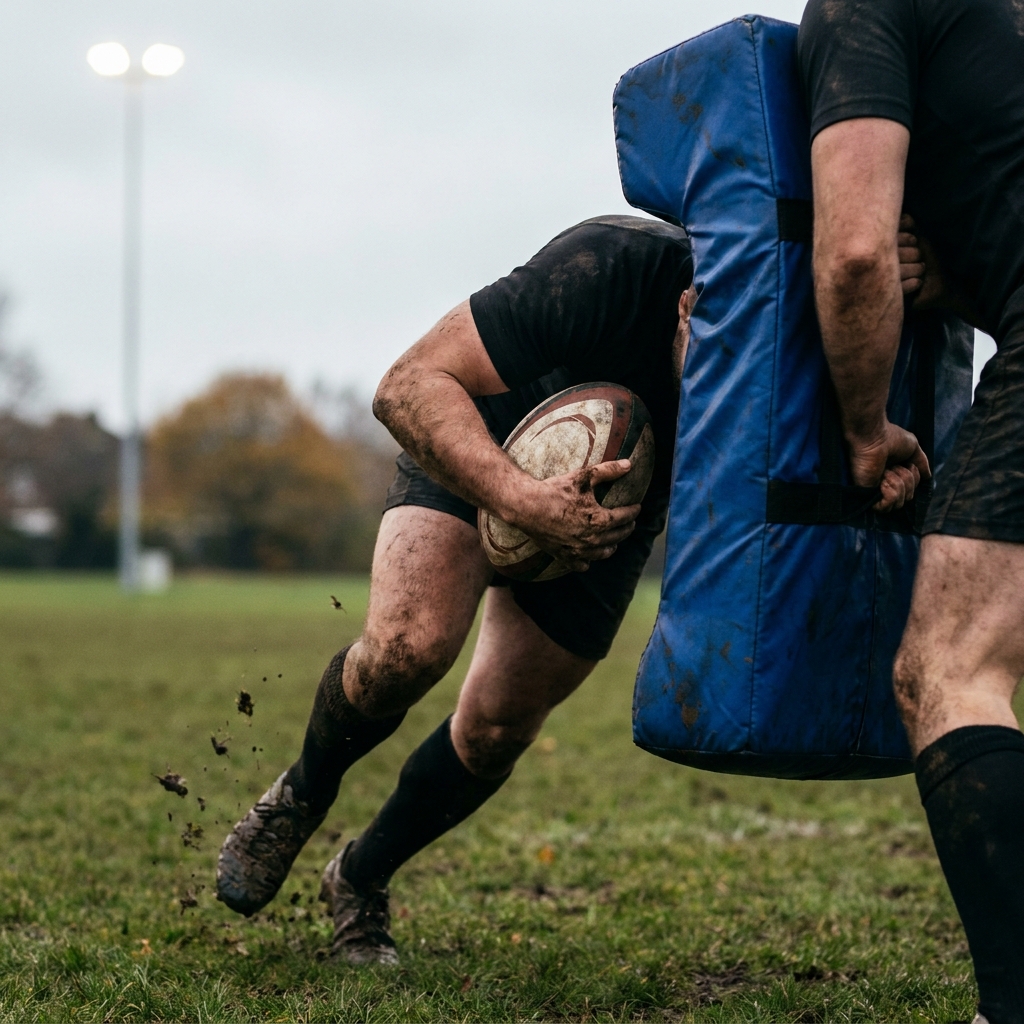
Tacklers are aiming lower, so carriers who dip late put heads at risk. Teach footwork, a strong early body height and leg drive to win the collision safely.