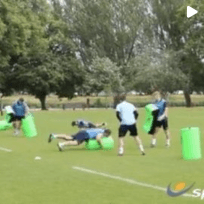
4 Defenders with pads set up at 3m intervals in between 2 cones. Defenders are only allowed to move side to side between their cones. In pods of 3, the attacking side looks to beat the defenders with well timed offloads AFTER contact. Defenders must give a good amount of resistance for the drill to feel realistic. Drill ends once last defender is beaten, pod drops ball or pod stops moving at any point.
Ball carrier to hit pad at speed and with small steps, while moving ball to the outside of the body Ball carrier to use momentum of hit to offload immediately Support runners must keep their depth and run onto the pass at speed Support runners will need to correct their running lines depending on which shoulder ball carrier will take contact on Early and clear communication Ball carriers should look for space, make the defender come to you Use a range of offloads Passes need to be put flat, short and soft
This practice has no coaching points
This practice has no progressions
There are currently no more drills being shared in this category

in more ways than one
 sportplan_rugby

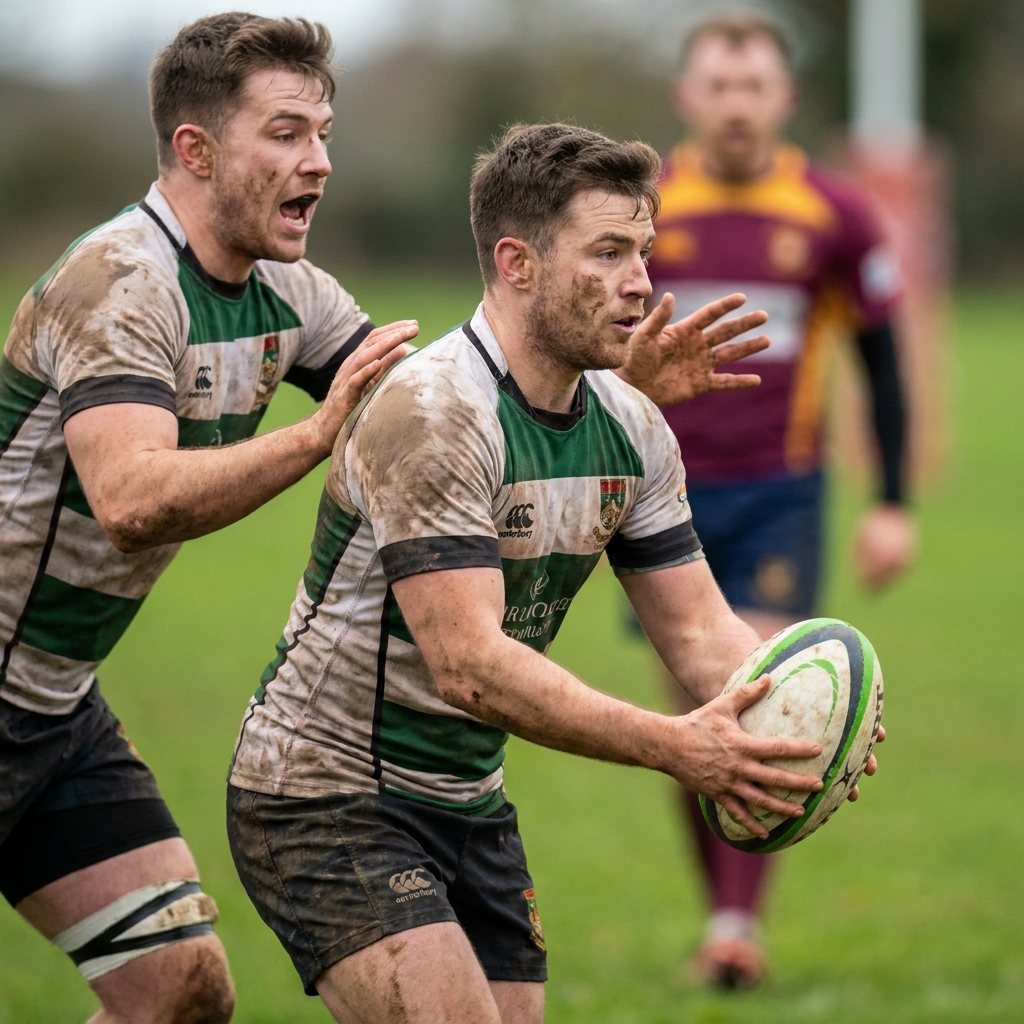
Most line breaks are made by support runners, not ball carriers. Teach the angles, depth and timing that get them there.
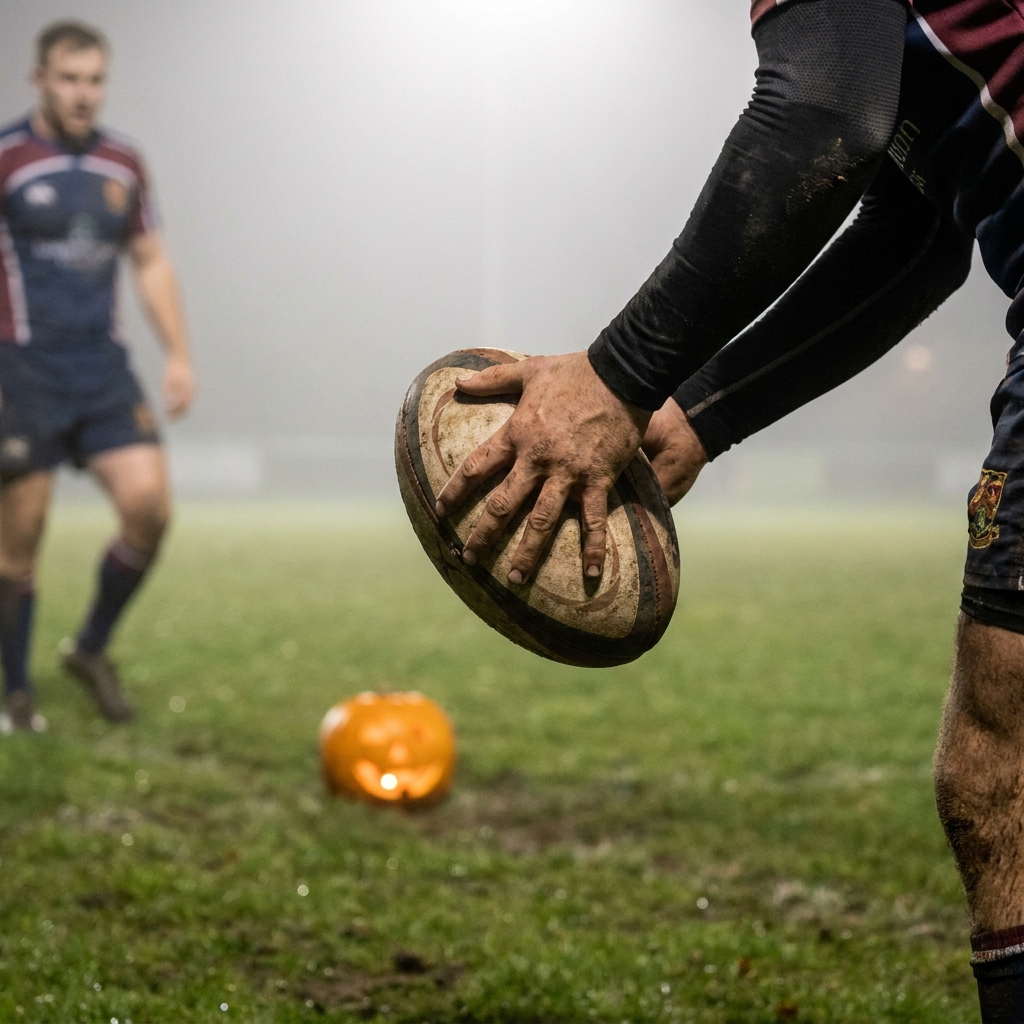
The isolated ball carrier is rugby's spookiest turnover. Here is the five-step fix, plus drills that rebuild support lines fast.

Tacklers are aiming lower, so carriers who dip late put heads at risk. Teach footwork, a strong early body height and leg drive to win the collision safely.