Intent is to develop the players kicking game: technical punting ability as well as encourage players to look for runners to kick to. Set up good-sized playing area (size dependent on player numbers) - about half a field for 16 players. Object is to score a try - each team playing to opposite ends: No tackling - but opposition players can impede runners. Players can pass the ball to each other (rugby passes) or kick the ball to each other - in any direction (no offside). Players running with the ball have to kick the ball to themselves every five steps - otherwise possesion is turned over. Try is scored when a player standing in the oppostions in-goal area receives the ball with a clean catch from a kick or pass (i.e. the player cannot score a try if they pick the ball of the ground or receive it on the bounce).
Encourage players to play 'heads-up' - with the team in possession looking for runners, looking for opportunities to get into space and receive a pass or kick. The defending team needs to also be looking to close down space - and track attacking runners if they move into space. The team in possession needs to communicate: ball-carrier giving direction to runners - and runners in space calling for the pass or kick. Defending team also needs to communicate - who is being marked/ warn of attackers moving into space/ encouraging hard work to ge tthe ball back
This practice has no coaching points
This practice has no progressions
There are currently no more drills being shared in this category

in more ways than one
 sportplan_rugby



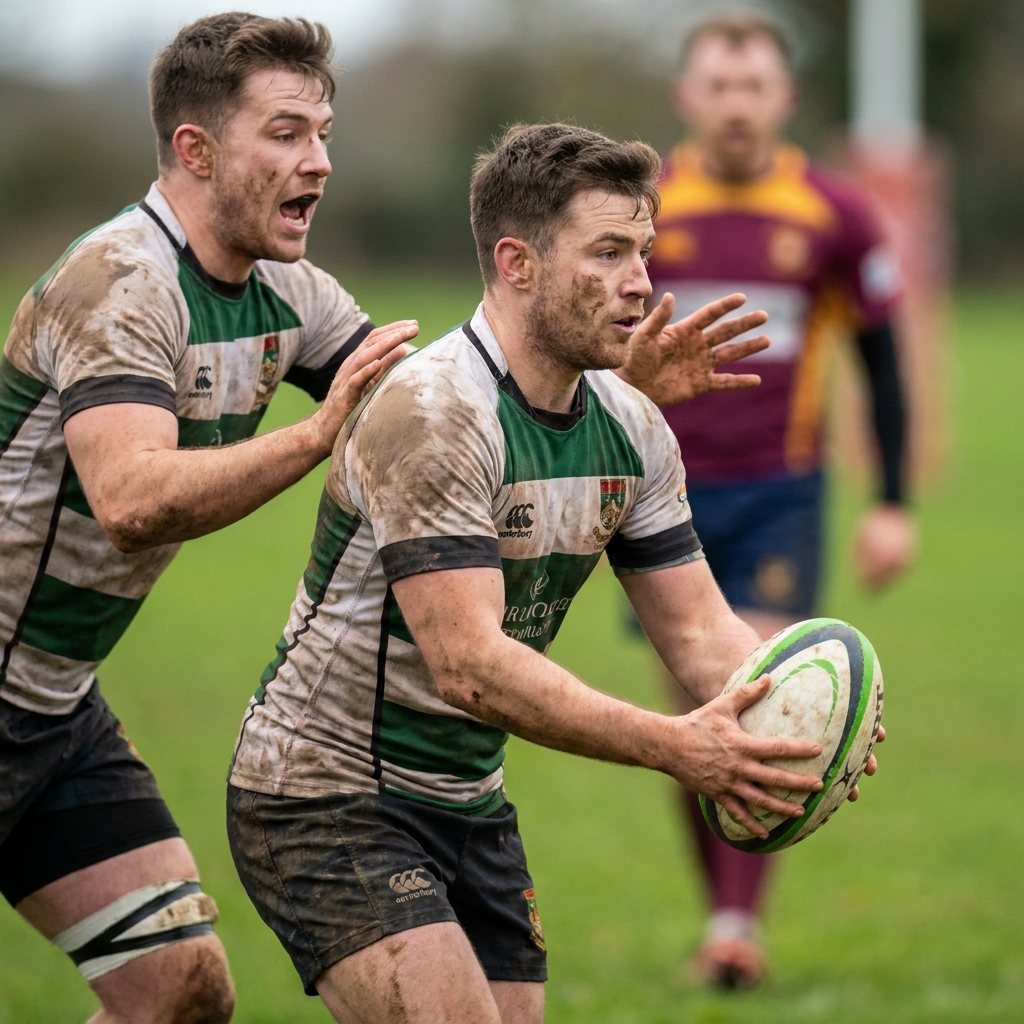
Greasy balls and soft pitches turn tidy handling into a lottery. Here is how to coach your players to keep hold of the ball when November conditions bite.
Most line breaks are made by support runners, not ball carriers. Teach the angles, depth and timing that get them there.

The isolated ball carrier is rugby's spookiest turnover. Here is the five-step fix, plus drills that rebuild support lines fast.