Pass and Support Role Drill
With the ball starting off on the left hand side.
The first player needs to attack hard for 5+ metres and then deliver a hard, flat pass to the front man of the next line.
Important Points for Running Lines
The players need to attack hard, this is to stop the defence being lazy and drifting off the attackers before they've made the pass. Running hard will fully engage the defence.
Unlike traditional 15s where we are taught to run straight after we've delivered the pass we are allowed to drift off the pass and follow our hands to encourage our running path to become our support line for the next carrier.
The penultimate passes also needs to continue with a support line so that if the carrier steps his defender he is there running an inside support line. Whereas the ultimate passes is running a line more in the carriers shadow.
Remember your job is not done once you have completed your pass.
Important Points for Passing
Hands always towards the target. Not 100% necessary to keep hips square. Don't worry about failing passes, focus on speeds of hands and delivering a hard, flat pass. This is the place to practise.
High hands, swinging laterally in one plane.

in more ways than one
 sportplan_netball


in more ways than one
sportplan_rugby

Your players can pass beautifully in a warm-up grid. Then a defender closes, their lungs are burning, and the ball goes to ground. Here is how to build catch-pass skills that hold up when it matters.
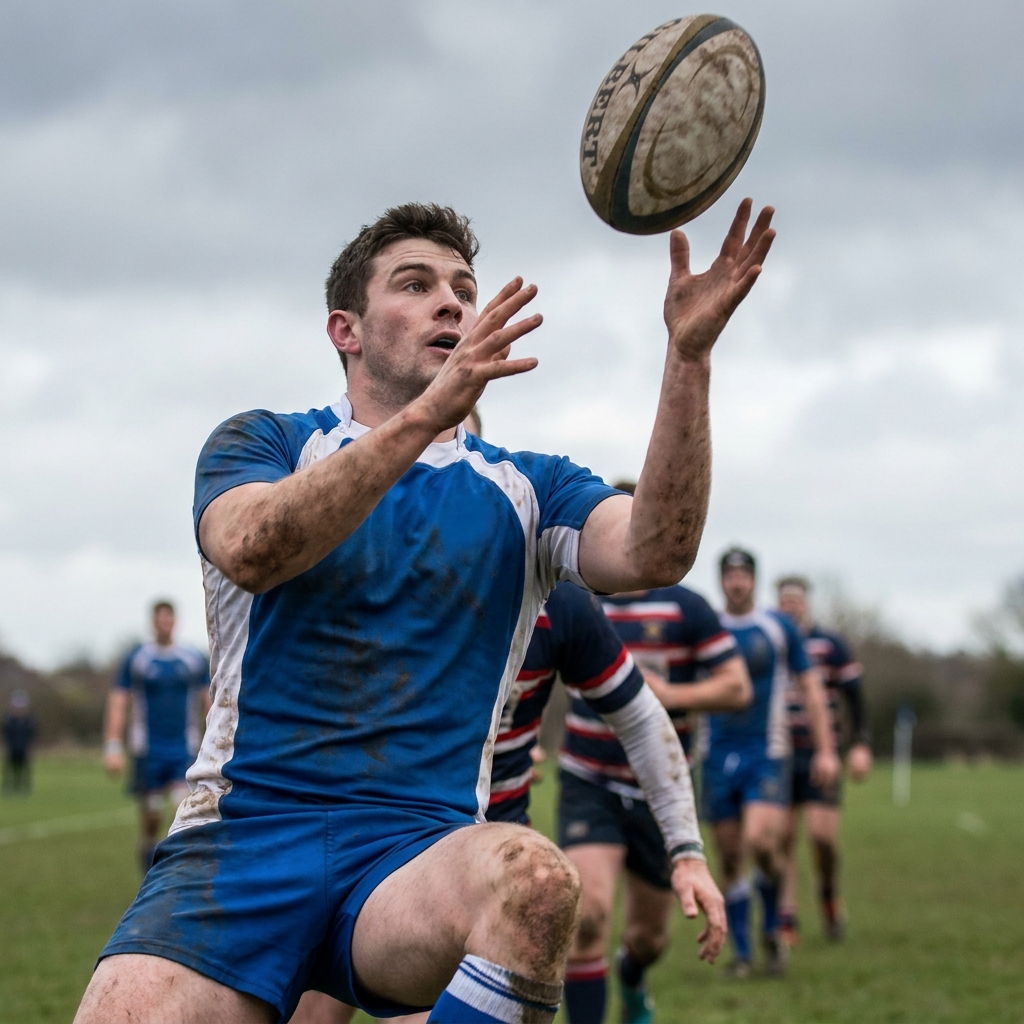
A box kick or up-and-under is only as good as the chase behind it. Here is how to organise your chase line, compete in the air safely, and make sure your own catchers are ready for what comes next.
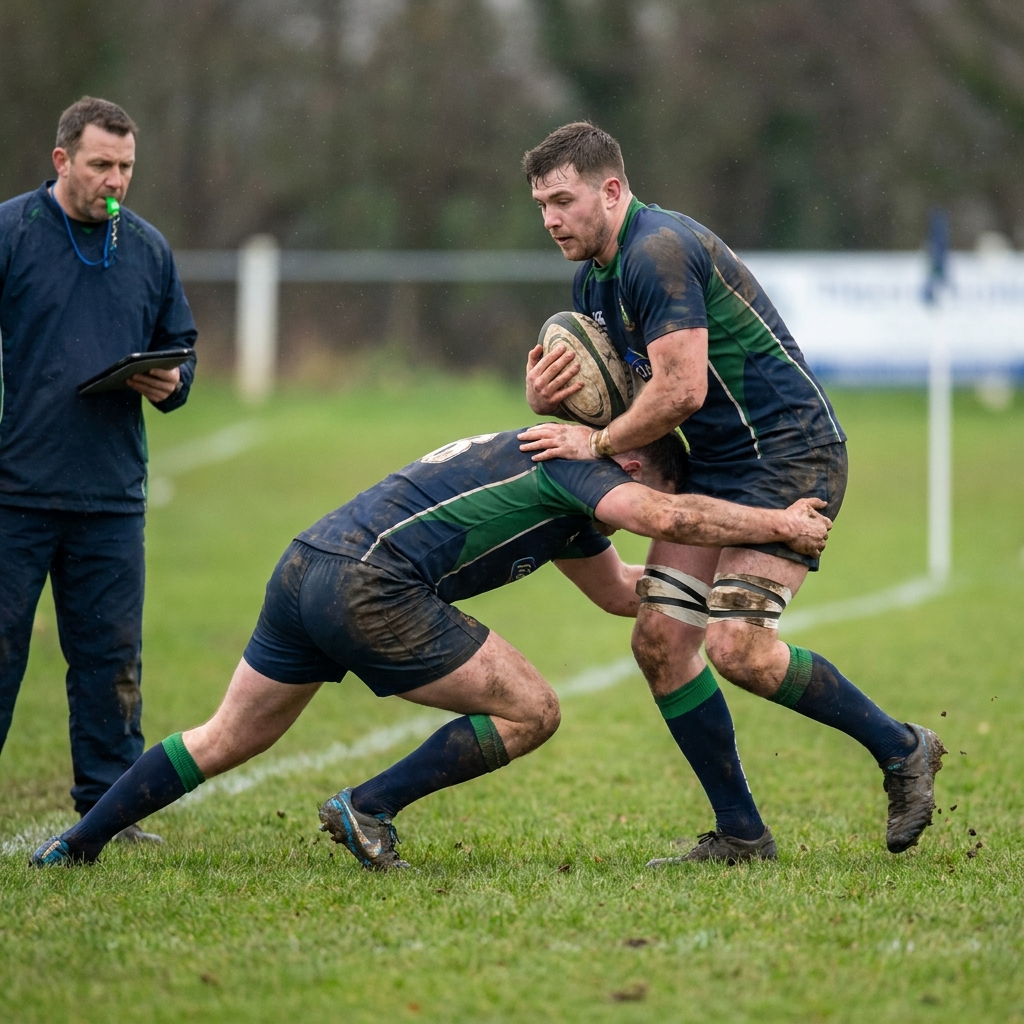
World Rugby's lower tackle height is no longer a trial. It is law in community rugby from this season, and unions choose waist or base of the sternum. Here is how to retrain your defence.