Every team performs better with a defensive structure. Introductory structure for beginner teams
3 v 3 defensive structure
"D" to line up opposite just inside "A" shoulder - Why position yourself as a defender in this position?
(Forces attacker to either pass or run away from where the ball has come from)
Number up
Close down space
Dictate terms
Keep square
Head on correct side
Feet in close and shoulders on
Leg drive

in more ways than one
 sportplan_netball

in more ways than one
sportplan_rugby

Your players can pass beautifully in a warm-up grid. Then a defender closes, their lungs are burning, and the ball goes to ground. Here is how to build catch-pass skills that hold up when it matters.
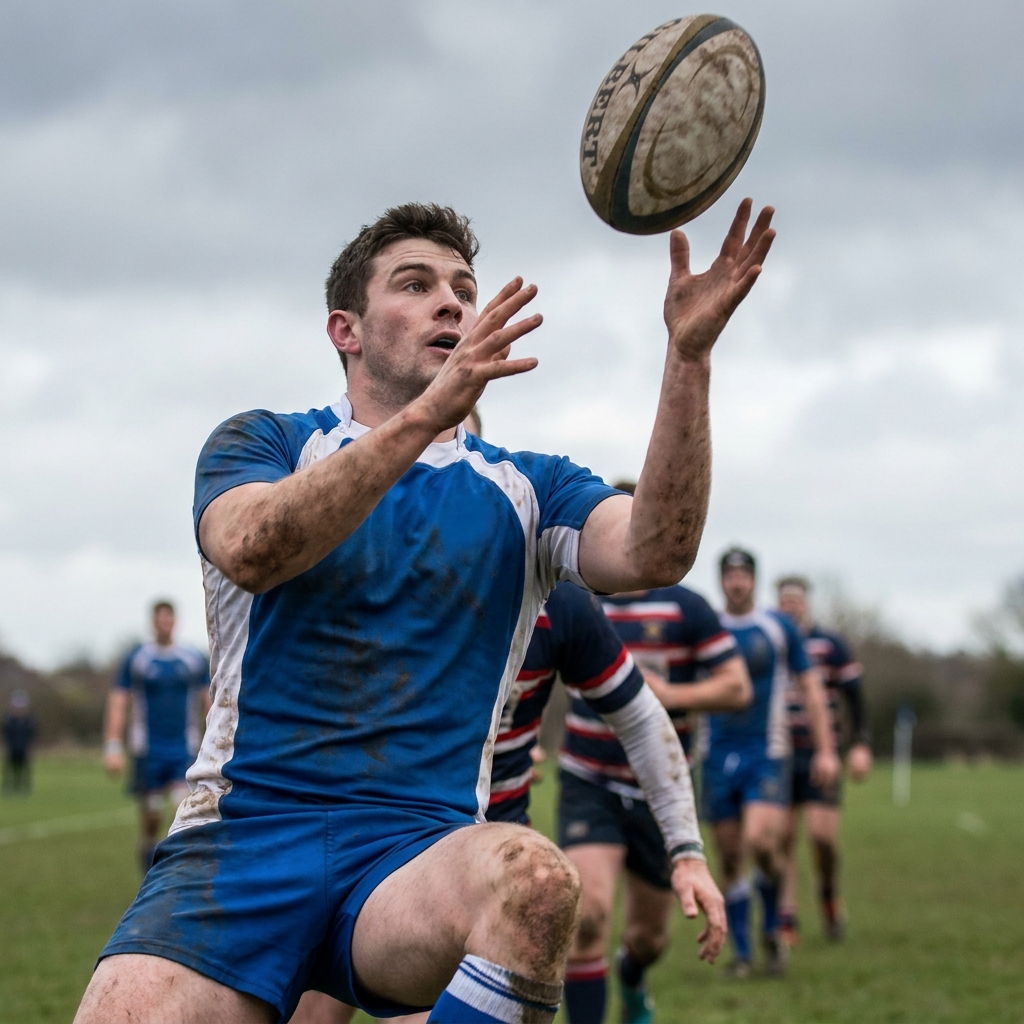
A box kick or up-and-under is only as good as the chase behind it. Here is how to organise your chase line, compete in the air safely, and make sure your own catchers are ready for what comes next.
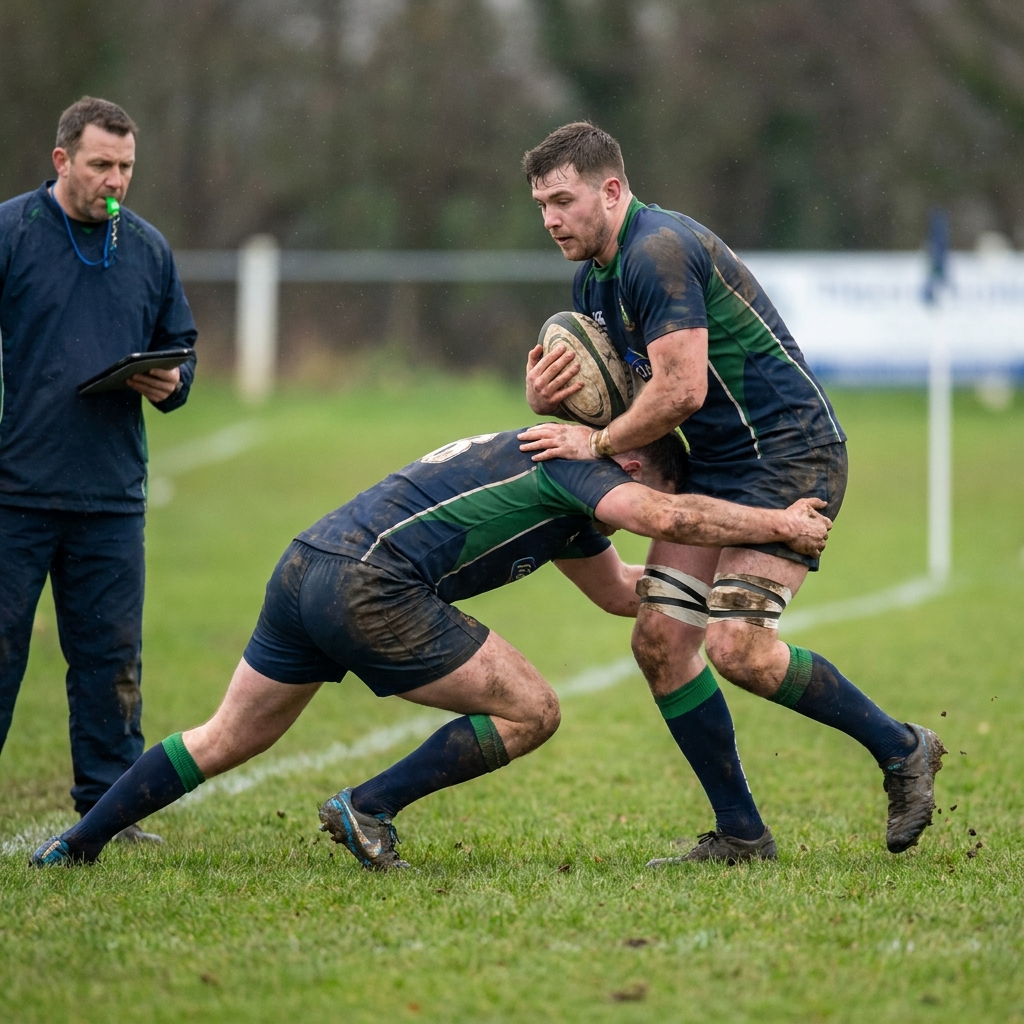
World Rugby's lower tackle height is no longer a trial. It is law in community rugby from this season, and unions choose waist or base of the sternum. Here is how to retrain your defence.