TRANSFORM YOUR TEAM'S SEASON WITH PROFESSIONALLY PLANNED SESSIONS
Use our expert plans or build your own using our library of over 700+ drills, and easy-to-use tools.
JOIN NOW
what is key factor analysis
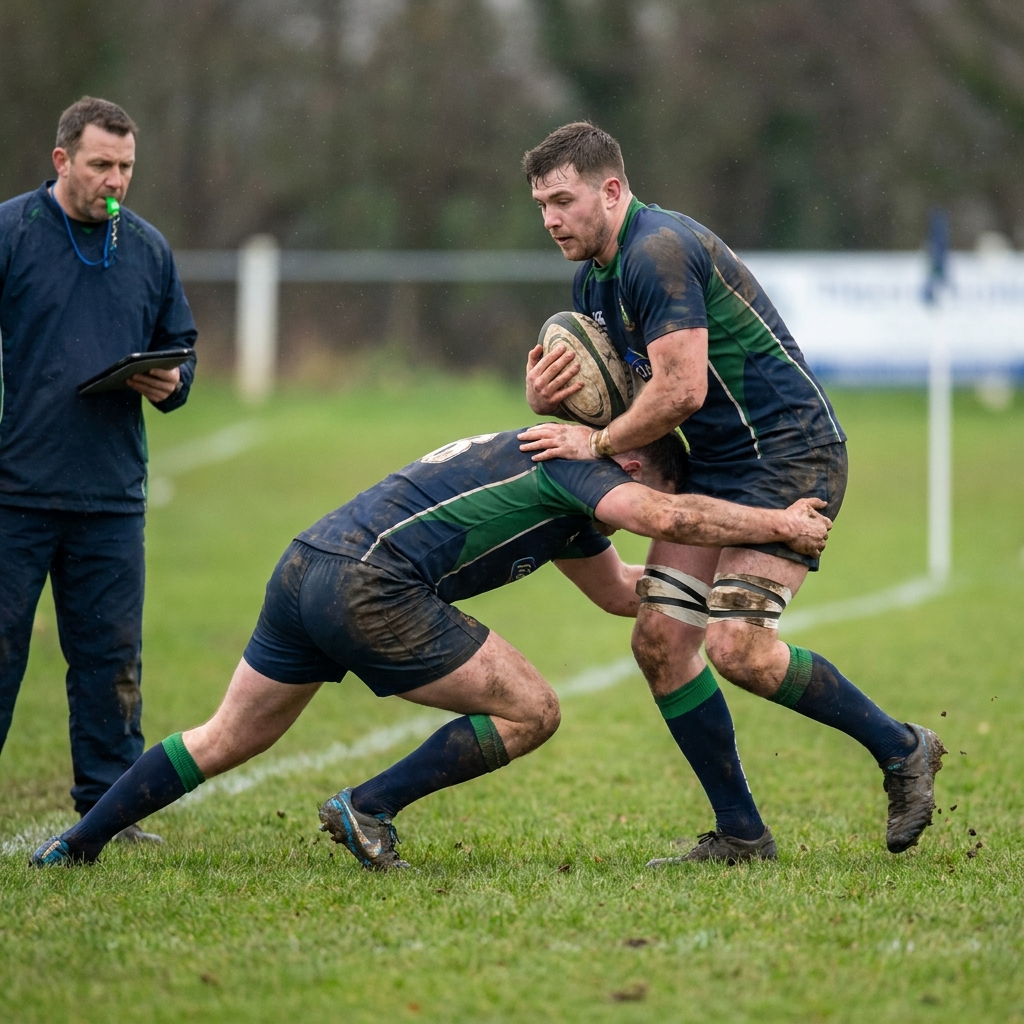
Key factor analysis is like a checklist that the coach uses to observe a specific skill or situation, it can be in order or just 1 or two points depending on the objective for example key factor analysis for receiving and passing is:
1. reach towards passer
2. fingers spread
3. catch ball in two hands
4. check defender
5. look to receiver
6. weight on inside leg
7. swing arms towards target
8. follow through using wrists
9. weight the pass successfully
10. support the receiver
Now thats a lot to take in so you might work on 2-3 at a time but its a good way to analyse the players to see why the technique is breaking down working from 1-10. Their are key factors for every part of the game.

in more ways than one
The offload is one of rugby's most devastating weapons when executed well, turning a defensive collision into a second-phase attacking opportunity. This article breaks down the technique, timing, and training progressions coaches need to develop confident offloaders at every level.
Defensive line speed is the single most important factor in shutting down attacking opportunities before they develop. This guide explores how to coach your defensive line to push up as a connected unit, communicate under pressure, and deny the opposition time and space.
The teams winning in 2026 aren't taking risks - they're grinding out territory with relentless pick-and-go phases. Here's how to coach it.
Use our expert plans or build your own using our library of over 700+ drills, and easy-to-use tools.
JOIN NOW