Managing tackle intensity
Hi. How do you manage the intensity that some players want to bring to the tackling and rucking sessions while other players want to not be at the same intensity either because of coming back from injuries or because they don't have the same experience/confidence in their skills. Currently trying to split players into new/lacking confidence and experienced/confident, but even then it seems some players I would put into the experienced players, are not comfortable with working with high intensity players. Even though they all have played full competition level matches.

Hi Luis, managing varying levels of intensity in tackling and rucking sessions can be challenging, especially when players have different levels of experience, confidence, or are returning from injuries. Here are a few strategies you might consider:
- Progressive Intensity: Start sessions with low-intensity drills and gradually increase the intensity. This allows players to warm up and build confidence.
- Skill-Specific Drills: Use drills that focus on specific skills, allowing players to work on their weaknesses at their own pace. For example, you can use drills like "Tackle Technique" or "Ruck Support" to focus on form and technique rather than intensity.
- Pairing and Grouping: Continue grouping players by experience but consider pairing them with partners who have similar intensity levels. This can help balance the session and ensure everyone is comfortable.
- Clear Communication: Encourage open communication. Let players express their comfort levels and adjust accordingly.
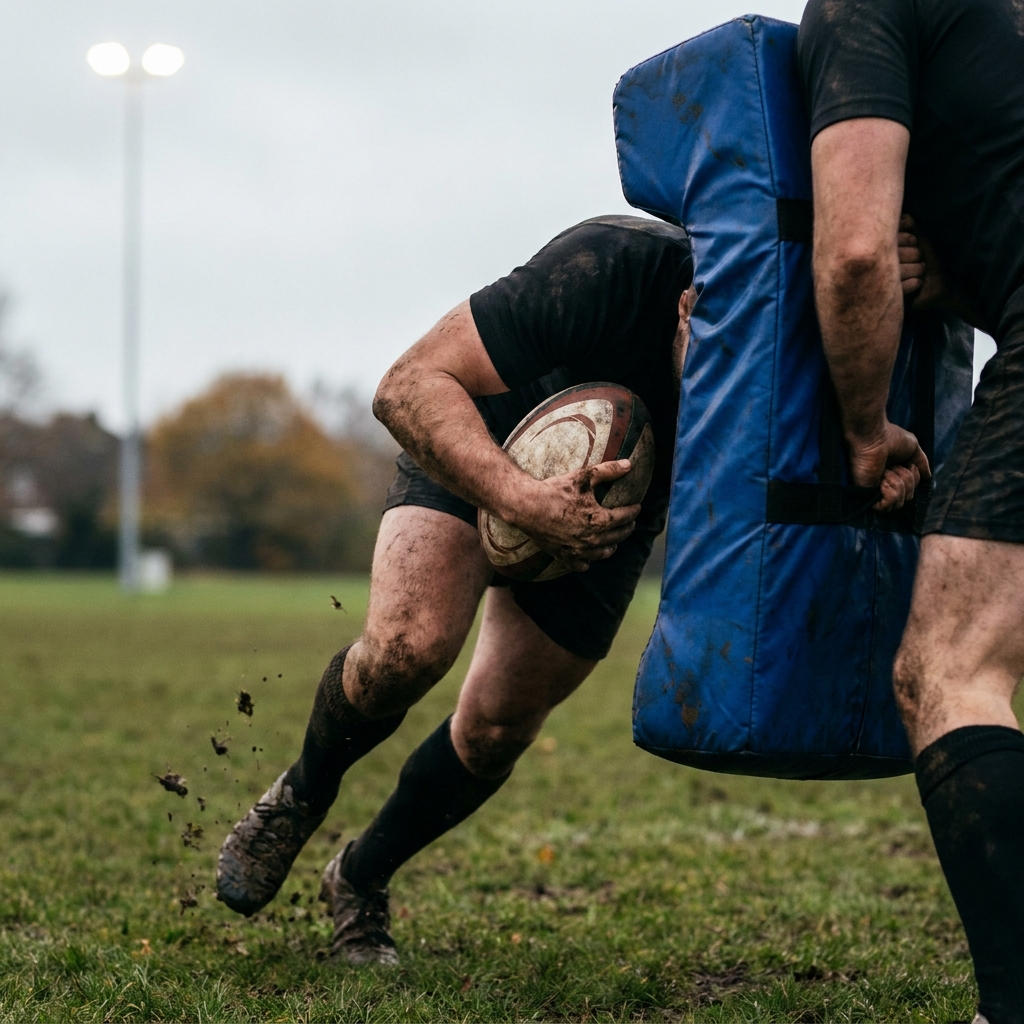
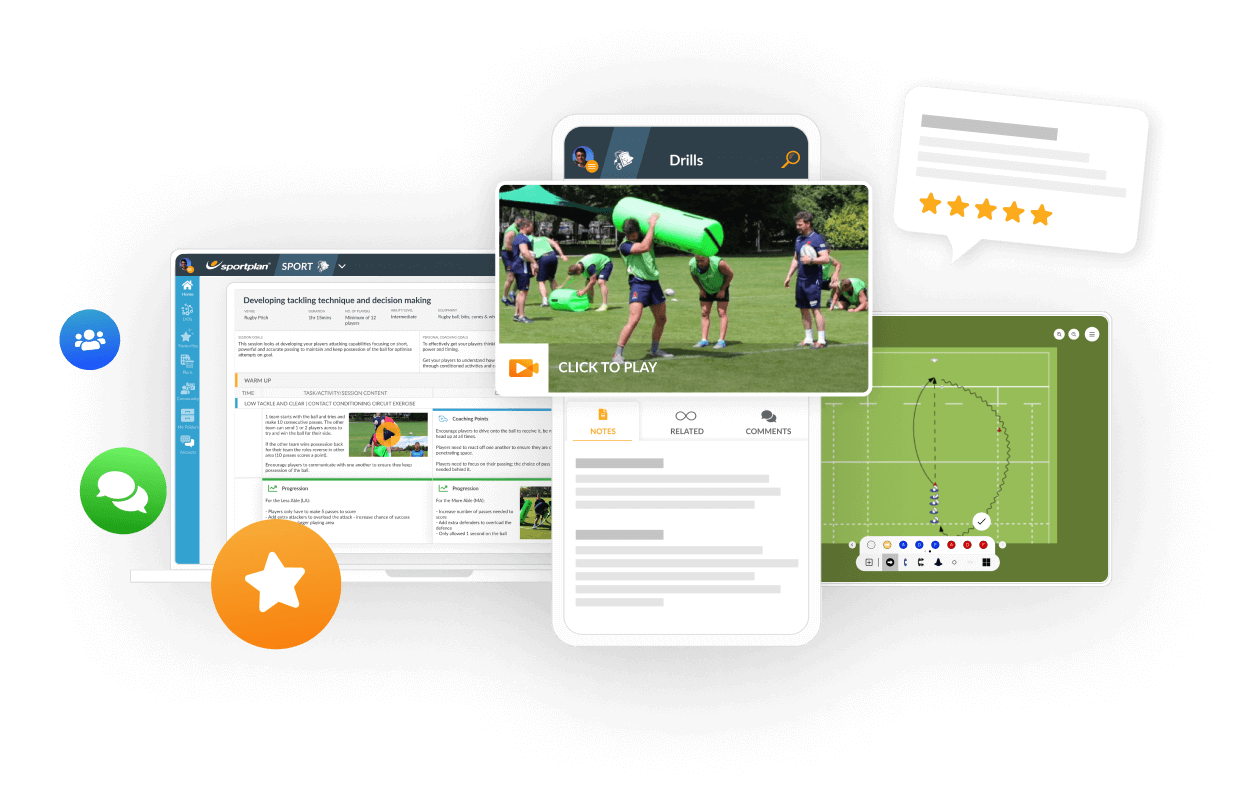
- Use of Drills: Consider using drills like "Tackle Bags" or "Controlled Ruck Scenarios" from the drill library to maintain safety while practicing technique.
If you need specific drills or session plans, let me know, and I can suggest some from the knowledge base.

Well i would use their flexibility to use to move a point forward we yes need to be more understanding to current or new players injuries but it gets to use the players weakness to a strength maybe if there not able to use their say right hand using their left a decoys or a set of attack or defended could be usefully & vitality. we used the apples & oranges method when to experienced players & high intensity simply learning the rules & have them learn each other hot spots to build team chemistry & ultimately win the game.
 sportplan_rugby