TRANSFORM YOUR TEAM'S SEASON WITH PROFESSIONALLY PLANNED SESSIONS
Use our expert plans or build your own using our library of over 700+ drills, and easy-to-use tools.
JOIN NOW

This is only a tackle situation, as long as you come from behind through the gate, on your feet, you can play the ball. In effect the scrum half!
Surely if the tackled player was bound in the tackle he has to release the ball, so the way I would ref this was to award a penelty to the defending team. This is how I would read this as explained.
Hi Kevin,
The only circumstances that [C] could get penalised is if a ruck has been created (see definition) and your player has put his hands into it to secure the ball. The best referees communicate quickly and clearly "ruck-hands away" or something similar. The referee will have to deem the ruck 'over' or the ball not in the ruck if you're to pick it up.
The key is to coach correct techniques, but also to coach players to adapt and work within the 'interpretation' of the referee they have in charge of their game as at the lower levels of the game unexpert refereeing is rife - BUT there isn't a game without them.
Sounds to me like ref got that one wrong, but he was still right cos he had the whistle !
ps.... Ref's often make mistakes ............I was once informed that I'd punched a player three times "for no reason", wheras I thought him sticking his fingers up my nose was 'a bloody good reason' %3A )

in more ways than one
 sportplan_rugby

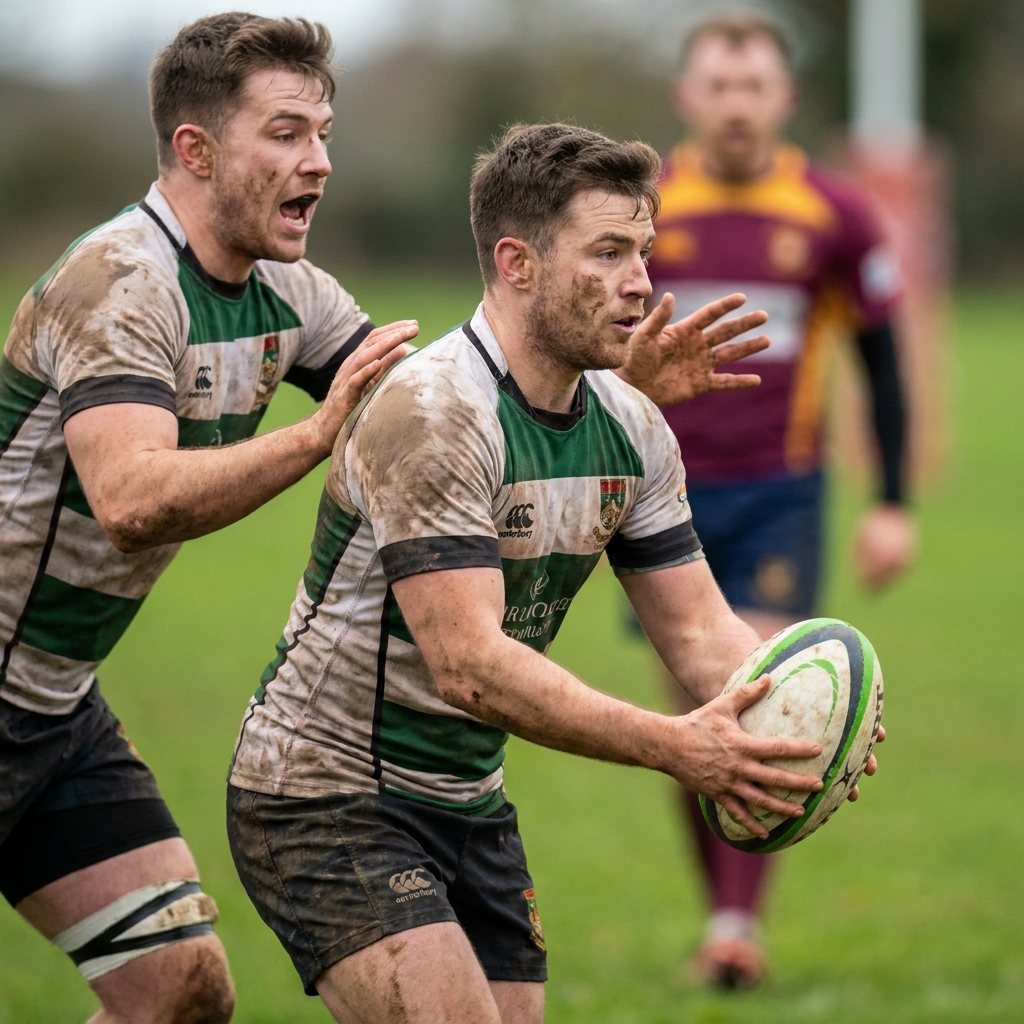
Most line breaks are made by support runners, not ball carriers. Teach the angles, depth and timing that get them there.
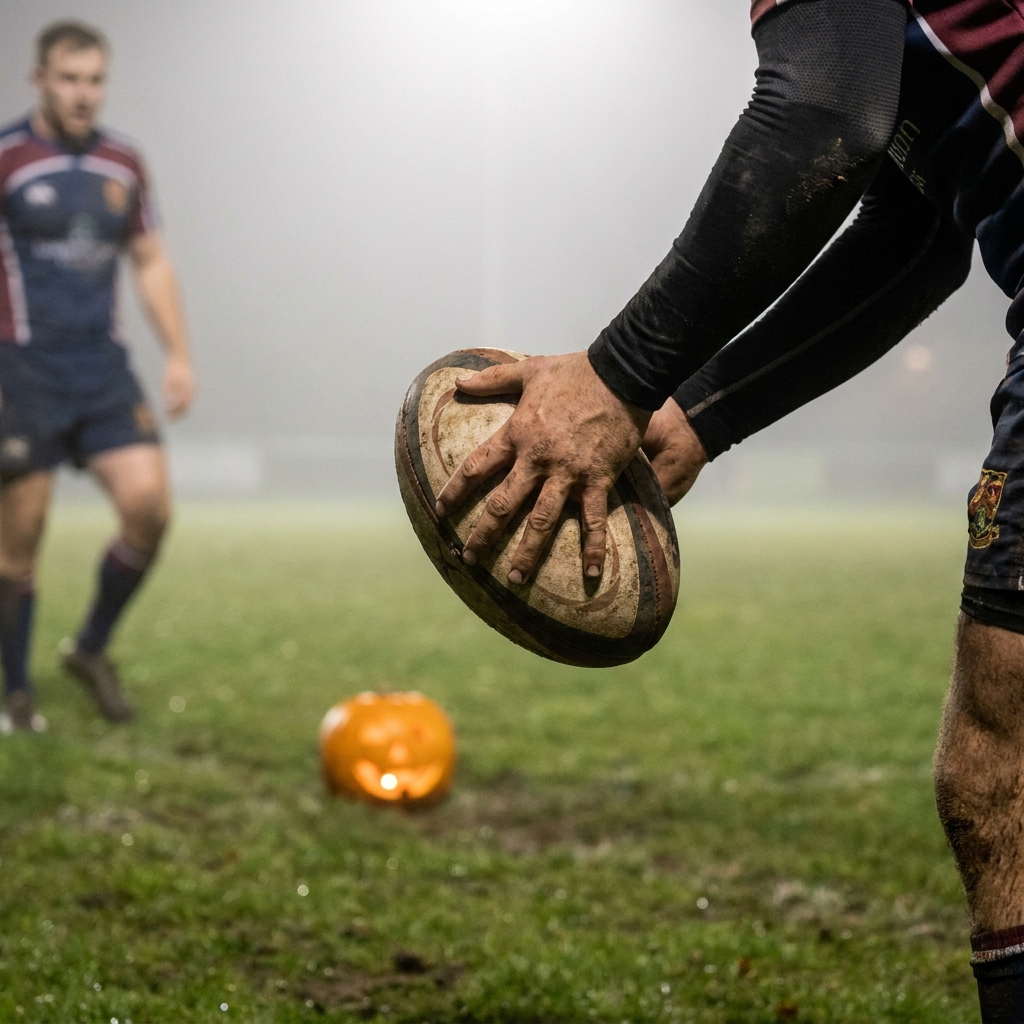
The isolated ball carrier is rugby's spookiest turnover. Here is the five-step fix, plus drills that rebuild support lines fast.
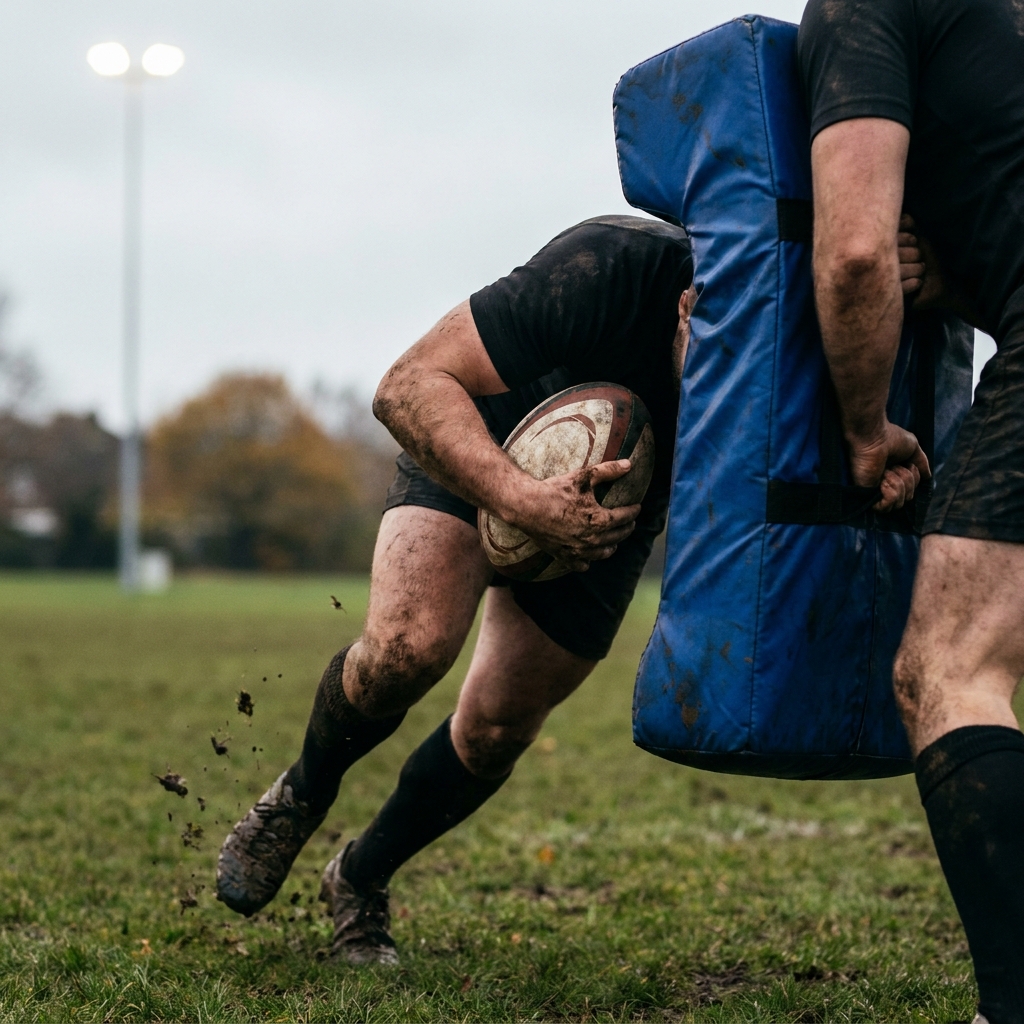
Tacklers are aiming lower, so carriers who dip late put heads at risk. Teach footwork, a strong early body height and leg drive to win the collision safely.
Use our expert plans or build your own using our library of over 700+ drills, and easy-to-use tools.
JOIN NOW