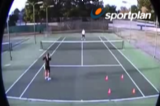
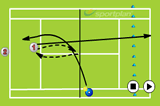
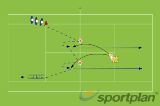
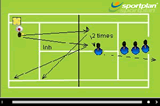
The player stands at quite a distance from the wall and hits only overhead forehand smashes against the wall. The player should aim to make the ball bounce as close to the wall as possible. This will help the ball bounce high ready for the next shot, with the player doing the same thing continuously.
The overhead is one of the least practiced shots in tennis. Hitting successful overheads requires good position, high point of contact and wrist action to bring the ball into the court. “Snap the wrist” is the most commonly used phrase to teach players how to finish the smash. In this exercise, the player works on consistency and on wrist action by making the ball bounce as close to the wall as possible.
More advanced players can vary the pace of the overhead to create shorter and deeper lobs.
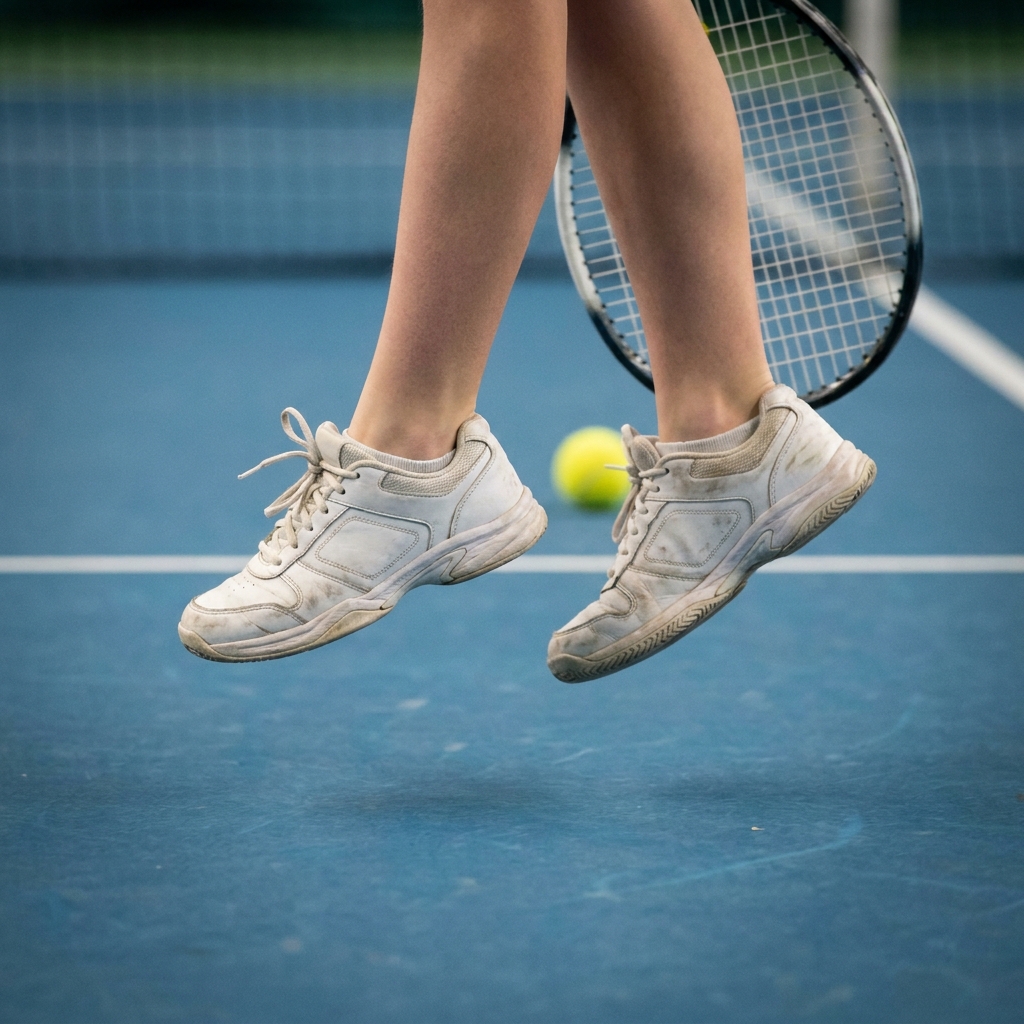
Indoor courts give players less time and less room. Help them sharpen their split step, shorten their swing and stay calm, and winter becomes a season of real progress.
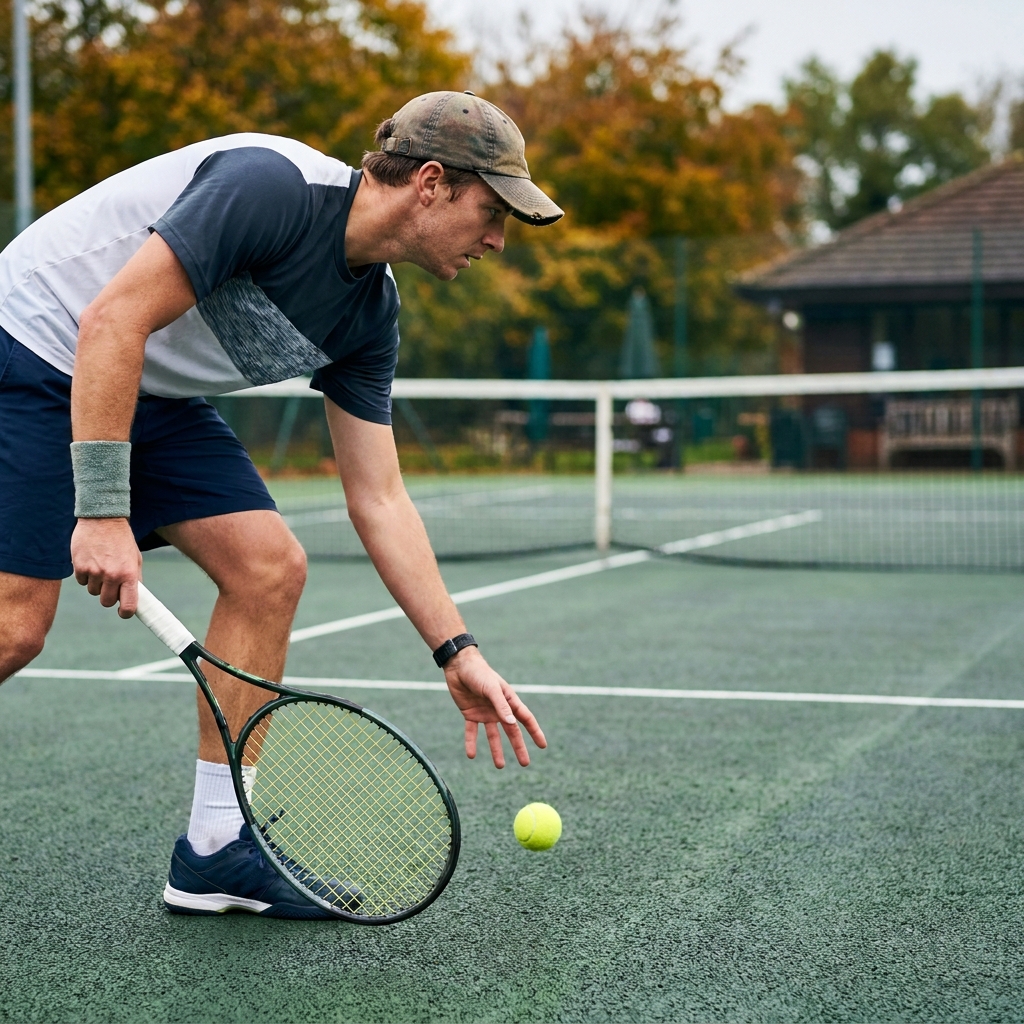
A tiebreak is a short sprint where every point is worth the same as a break of serve. The players who win them are rarely the ones who hit hardest. Here is how to coach the patterns, habits and scoreboard thinking that win the big points.
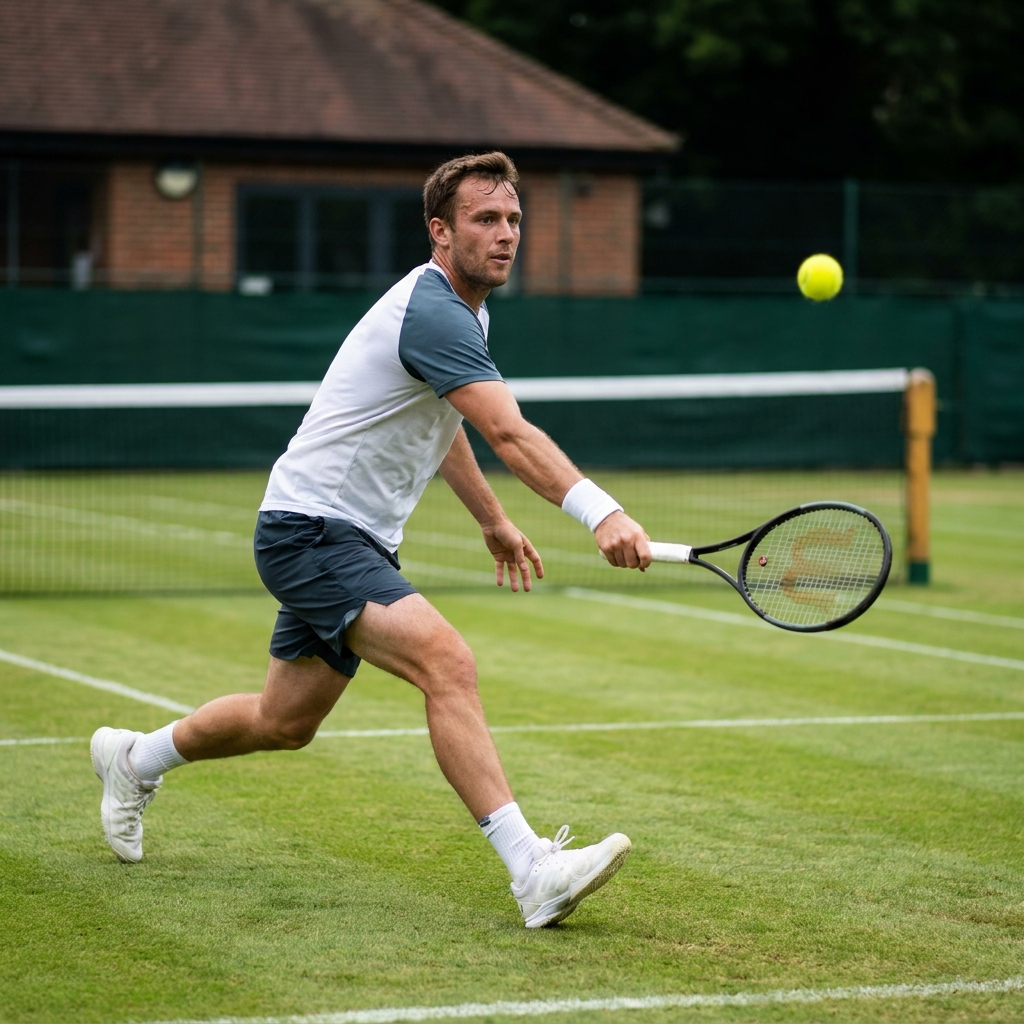
Most club players practise the serve on its own and then have no idea what to do with the ball that comes back. Serve plus one is the pattern that turns a good serve into a won point.


Register for FREE and get coaching tips, top drills, session and more every week!