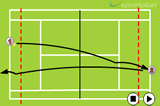
Player 1 is serving and will play a sequence of 4 points against player 2 as follows:
Player 2 knows where the serve is going, therefore should be able to practice these specific returns.
However player 1 also knows where the return is going so the 1st shot after the serve is key, and should be played aggressively. With this in mind the handicap of both players should be relatively even and the usual point win/ loss ratio should remain unaffected.
Game rules:
Once these 2 shot combinations have been made, the point is played out in the normal way. Players can play first to 21 points and then switch around.
Should the first serve be missed or not made to the specific area, the 2nd serve is played to the same area.
Should the return not be made to the allocated corner, the returner loses the point.
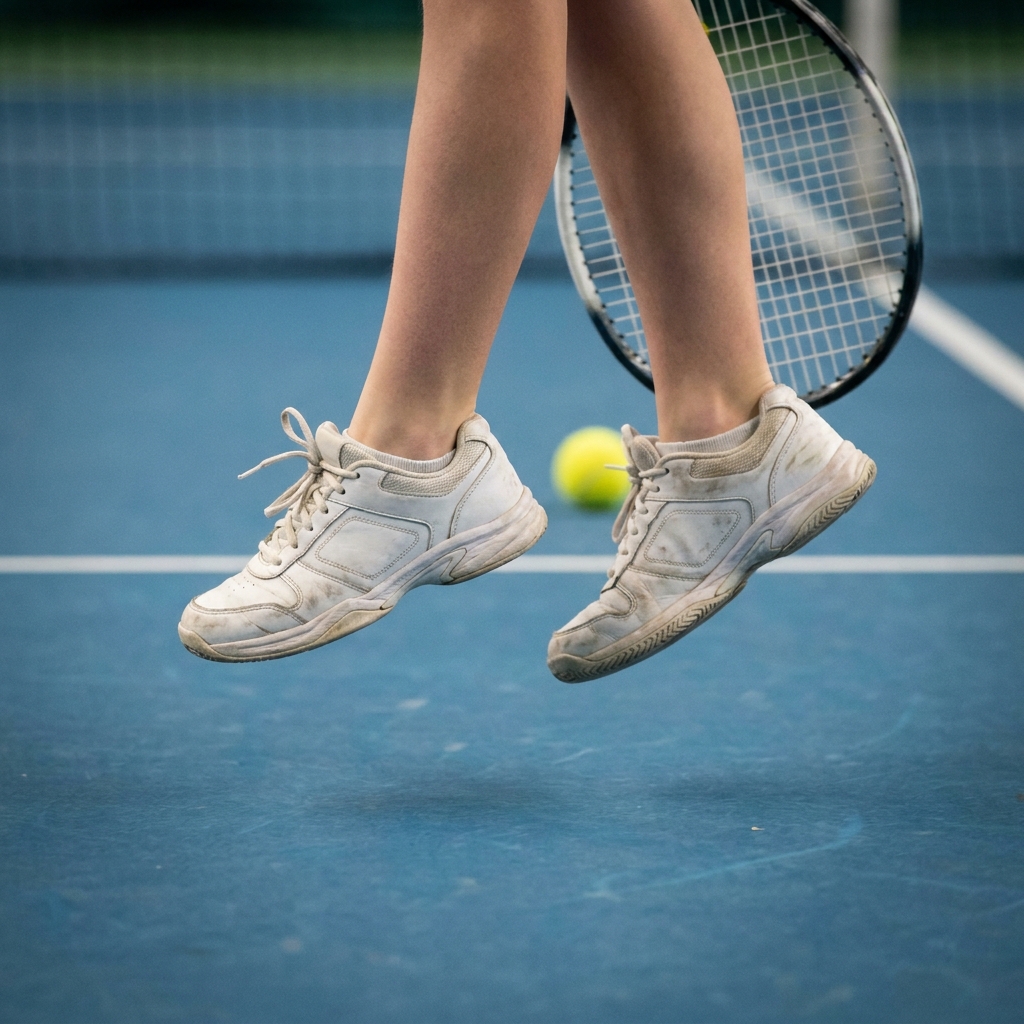
Indoor courts give players less time and less room. Help them sharpen their split step, shorten their swing and stay calm, and winter becomes a season of real progress.

A tiebreak is a short sprint where every point is worth the same as a break of serve. The players who win them are rarely the ones who hit hardest. Here is how to coach the patterns, habits and scoreboard thinking that win the big points.
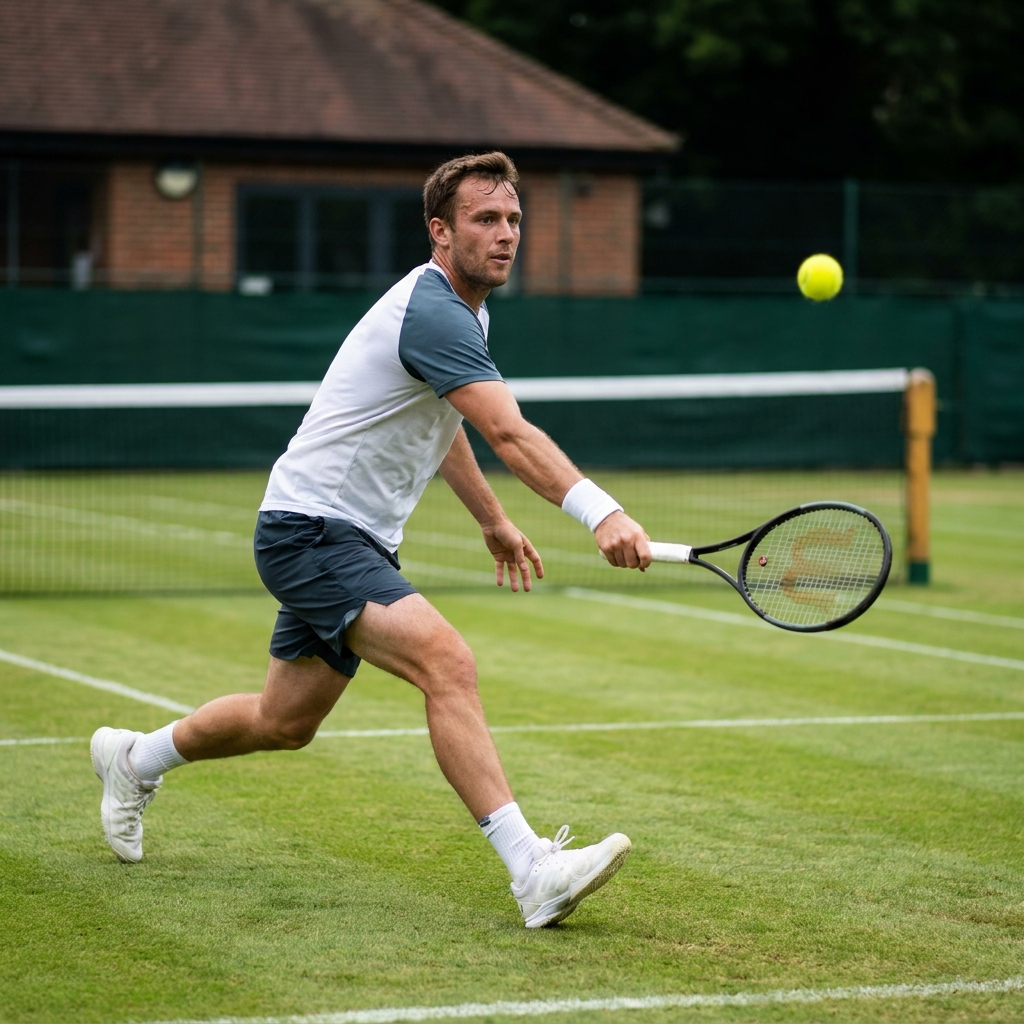
Most club players practise the serve on its own and then have no idea what to do with the ball that comes back. Serve plus one is the pattern that turns a good serve into a won point.


Register for FREE and get coaching tips, top drills, session and more every week!