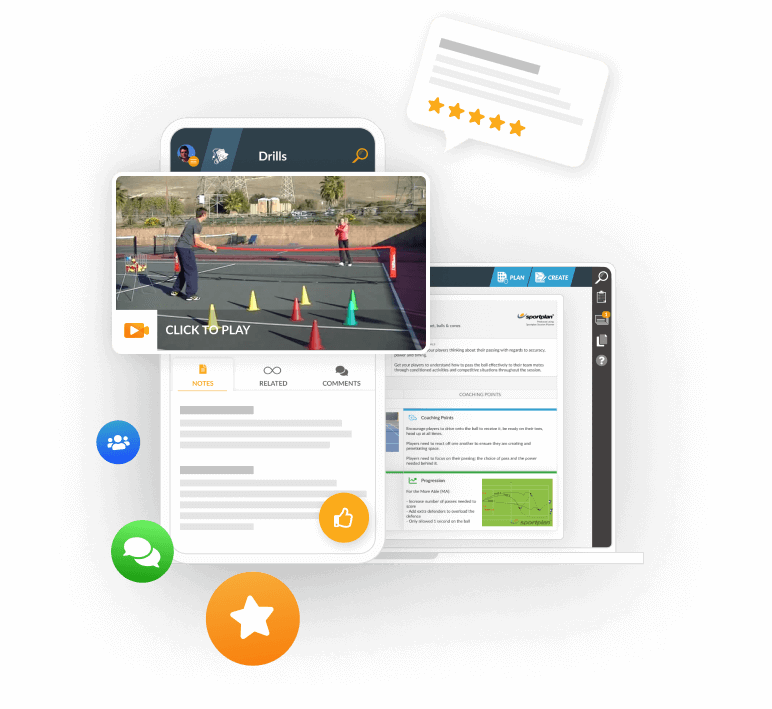
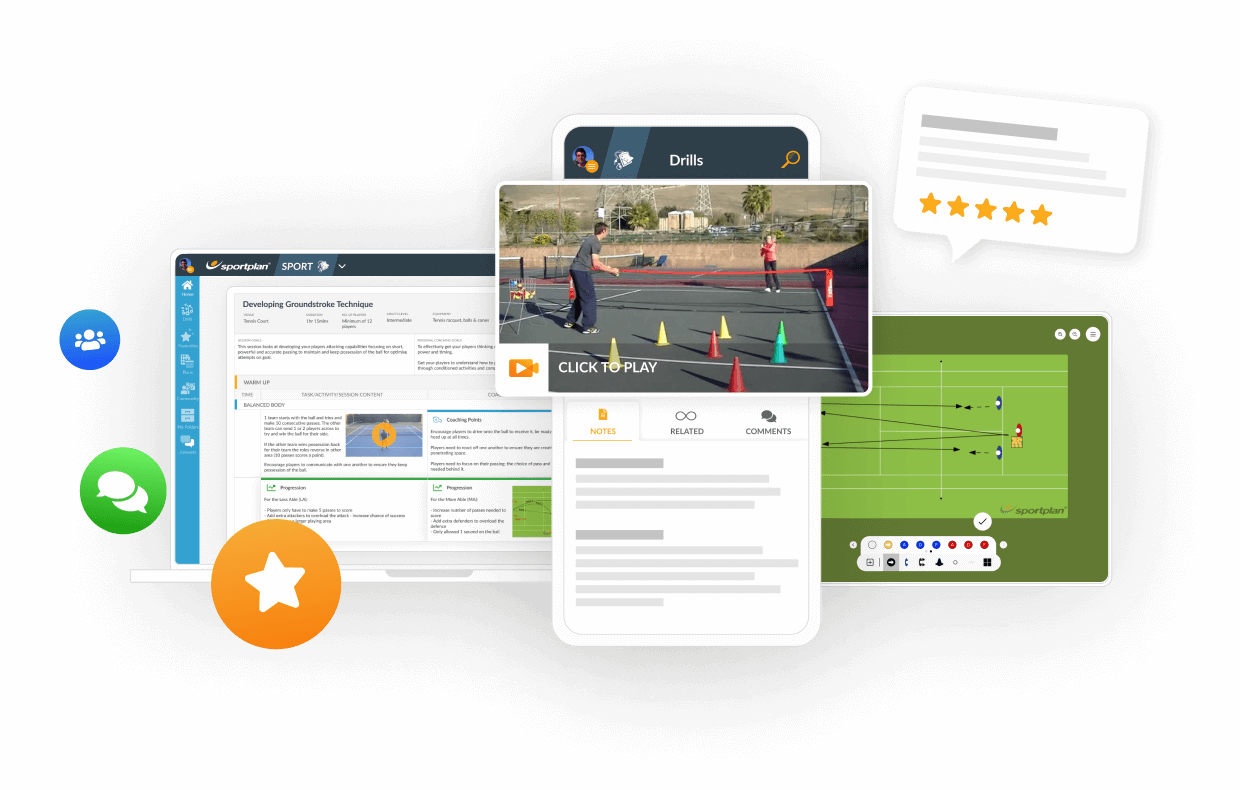
Player stands on the ad side with a cone in hand. Coach serves from the ad side. Player then catches the ball inside the cone and throws it over the net.
During the first few tennis lessons, it can be too hard for kids to return the ball with the racquet. So the coach has to adapt to this situation and still improve returning skills; using a cone is a great opportunity to imitate a returning environment and improve receiving abilities.
During the first few tennis lessons, it can be too hard for kids to return the ball with the racquet. So the coach has to adapt to this situation and still improve returning skills; using a cone is a great opportunity to imitate a returning environment and improve receiving abilities
In this drill, player works mostly on receiving skills. Catching the ball in the cone demands from the player to move to the proper position and observe the ball at the same time. Both of these skills are required later to successfully hit the ball with the racquet so it is a good introduction for kids.
Tennis demands a unique combination of endurance, power, agility, and flexibility. Physical preparation determines how long careers last and how players perform when it matters most.
Ecological dynamics is transforming tennis coaching. This constraints-led approach develops adaptable, creative players who can solve problems in competition, not just execute drilled patterns.
The one-handed backhand is becoming rare, but when executed well, it remains one of tennis's most elegant and effective shots. Is it a dying art or a tactical advantage?