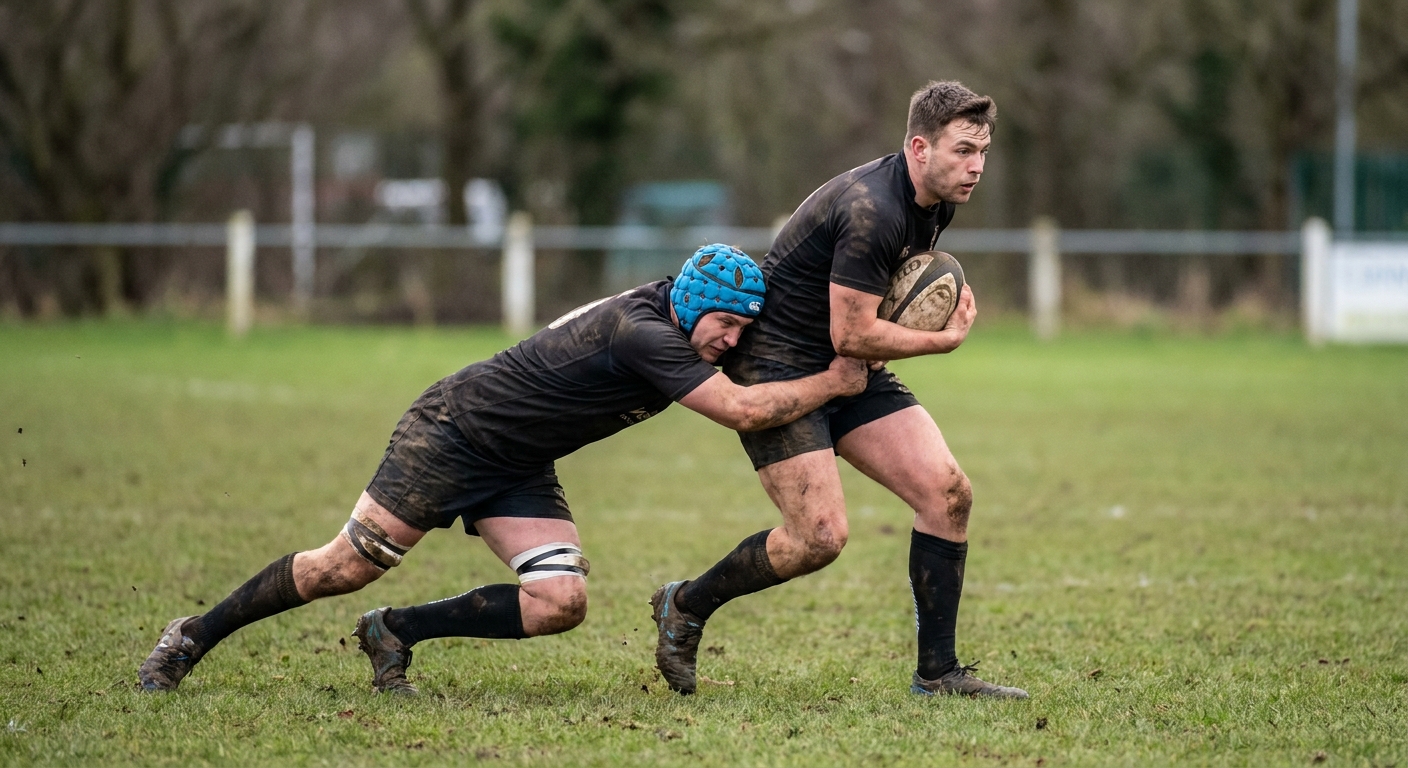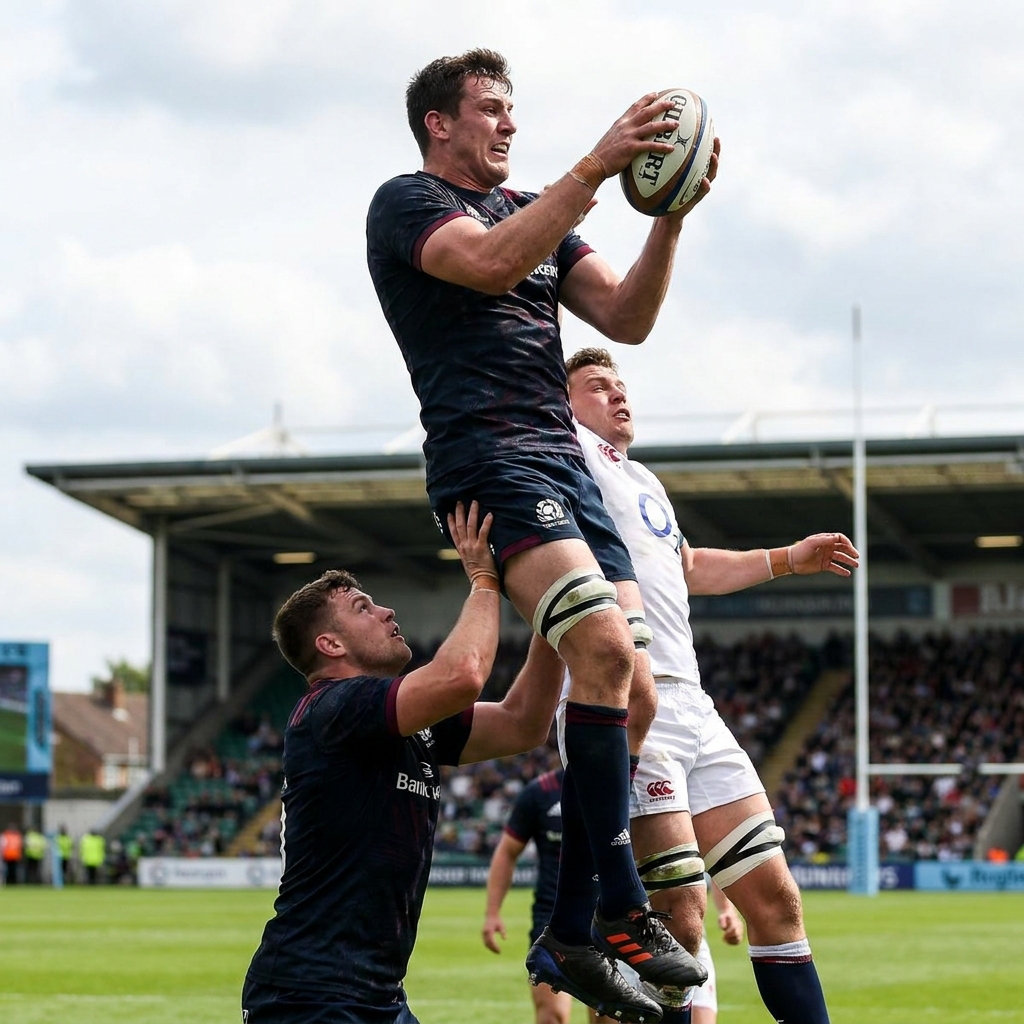
Ball retention in contact

Objectives:
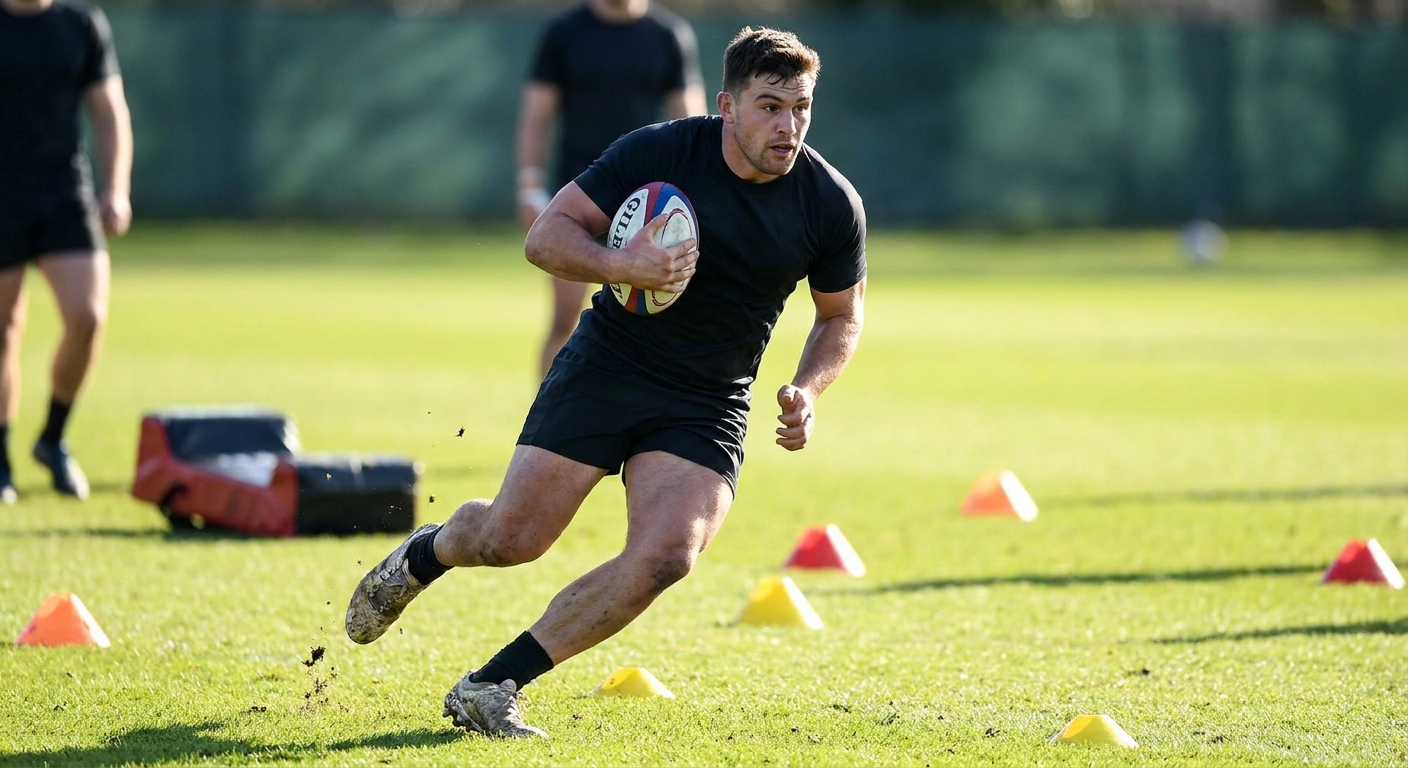
Ball retention in contact / at the tackle is critical to coaching and playing winning rugby. The tackle area is now one of the few areas where both teams can contest possession and therefore it is critical to secure your own ball, control the speed of release for quick ball and prevent the opposition from slowing down or turning over your ball.

During the next few issues we will be looking at how you can coach your players to secure and retain possession at the critical contact / tackle situation.

    The 5 Key Factors of ball retention:
      Taking contact on your terms
      Ball position in contact
      4 hands on the ball
      Dynamic leg drive / go forward
      Communication with support players
This series of drills and progressions is to introduce ball retention to players at all levels.

Ball retention in contact:

    Drill 1: Carrying the ball into contact.
    Ball carrier in contact – 1 v 1
    • Objective: to retain the ball in contact
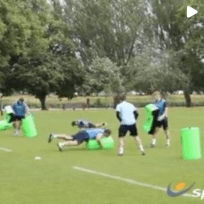
    • Equipment: 1 ball / 1 tackle shield / 1 cone
    • Set Up:
      • Ball carrier <with ball> and defender <with tackle shield> face each other 2m apart
      • Tip: use the 5m channel and place the cone between the touch line and the 5m line. Position the players 1m each side of the cone. Position the Defender with his back to the touchline.
    • Drill:
      • Ball carrier stands with the ball on the floor directly in front of them.
      • Ball carrier picks up ball and drives from a low position into the defender with the tackle shield and drives the defender back over the touchline.
      • Ball carrier drives the defender back 3m
      • Switch arms after 5 attempts.
      • Rotate as required
    • Duration: 10 minutes
    • Key skills:
      • Wide base on contact
      • Ball held securely under the under the arm NOT making contact with the defender
      • Dynamic / go forward leg drive
      • Good low body angle in contact
      • Straight back with angle of force through major muscle groups in the legs
      • Low initial drive
    • Key Errors:
      • Ball carrier engages the defender with the ball under the same arm as the shoulder they make contact with
      • No leg drive
      • Ball presentation is poor
    Drill 2: Carrying the ball into contact.
    Ball carrier in contact – 1 v 1
    • Objective: to retain the ball in contact
    • Equipment: 1 ball / 1 tackle shield / 1 cone
    • Set Up:
      • Ball carrier <with ball> and defender <with tackle shield> face each other 2m apart
      • Tip: use the 5m channel and place the cone between the touch line and the 5m line. Position the players 1m each side of the cone. Position the Defender with his back to the touchline.
    • Drill:
      • Ball carrier stands with the ball on the floor directly in front of them.
      • Ball carrier picks up ball and drives from a low position into the defender with the tackle shield and drives the defender back over the touchline.
      • Ball carrier drives the defender back 3m, goes to ground and presents the ball in a lateral body position, ball away from body, 2 hands on the ball.
      • Switch arms after 5 attempts.
      • Rotate as required
    • Duration: 10 minutes
    • Key skills:
      • Wide base on contact
      • Ball held securely under the under the arm NOT making contact with the defender
      • Dynamic / go forward leg drive
      • Good low body angle in contact
      • Straight back with angle of force through major muscle groups
      • Low initial drive
      • Following the good ‘go forward’ the ball carrier goes to ground and presents the ball under control and away from their body. Ball in 2 hands
      • The ideal body profile for the ‘traditional rucking position’ is on the floor, with the ball carriers back parallel to the opposition try line. The ball is then presented away from the body and towards their own scrum half. Ideally the ball carrier will present the ball in 2 hands and with straight arms to ensure the ball is controlled.
    • Key Errors:
      • Ball carrier engages the defender with the ball under the same arm as the shoulder they make contact with
      • Ball carrier goes to ground immediately on contact. No leg drive
      • Ball carrier loses control of the ball on contact with the ground
      • Ball presentation is poor
      • Ball is ‘thrown away’ and not controlled