Set up 2 channels to the left and right of a passer (yourself, a halfback or 2 halfback/ as you like). Split your players in four lines in front of your channels, quiet deep about 10m so they start slowly with skipping for about 5m and the accellarate onto a flat pass which they should just be able to catch when they actively reach(towards the passer) for it. Make sure the receiver tries to grab the ball as early as possible.
Progession
Let the first reciever pass, while he keeps running straight and the follow the ball.
The second reciever should time his run, so he catches the ball like the first receiver flat and in front of him in turn towards the passer.
First reciever
Head up and hands in front of the body
Arms slightly bend, hands open, fingers spread not over stretched
Accellerate onto the pass
Eyes on the ball, body turning towards passer...running straight
Communication: eye contact, show target, call for the ball
Actively reach towards the ball when catching it
Pass as flat as possible while running straight
Turn the upper body towards reciever
Let your foot close to receiver follow through straight and the turn to follow the ball
Second Receiver
see first receiver
Time the run to be accellarating onto the pass

in more ways than one
 sportplan_netball
in more ways than one
sportplan_rugby
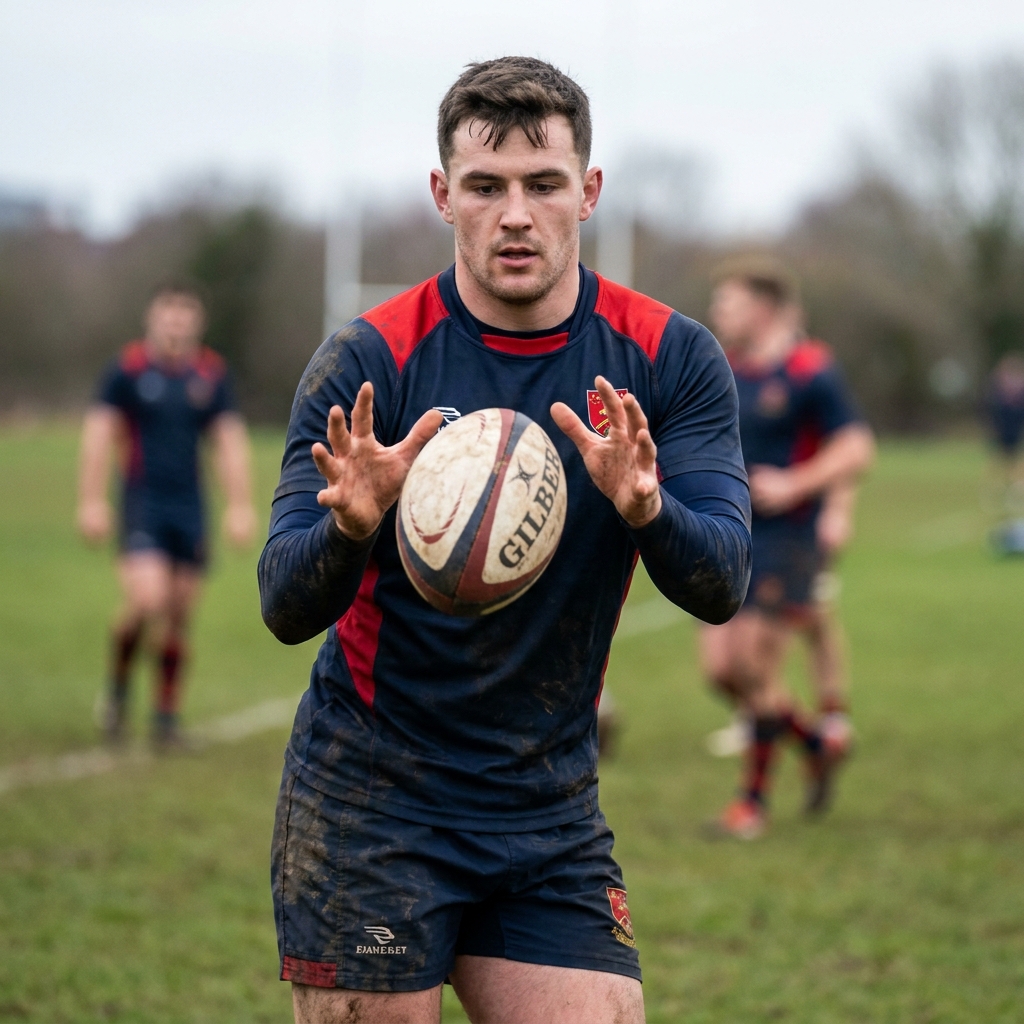
Your players can pass beautifully in a warm-up grid. Then a defender closes, their lungs are burning, and the ball goes to ground. Here is how to build catch-pass skills that hold up when it matters.
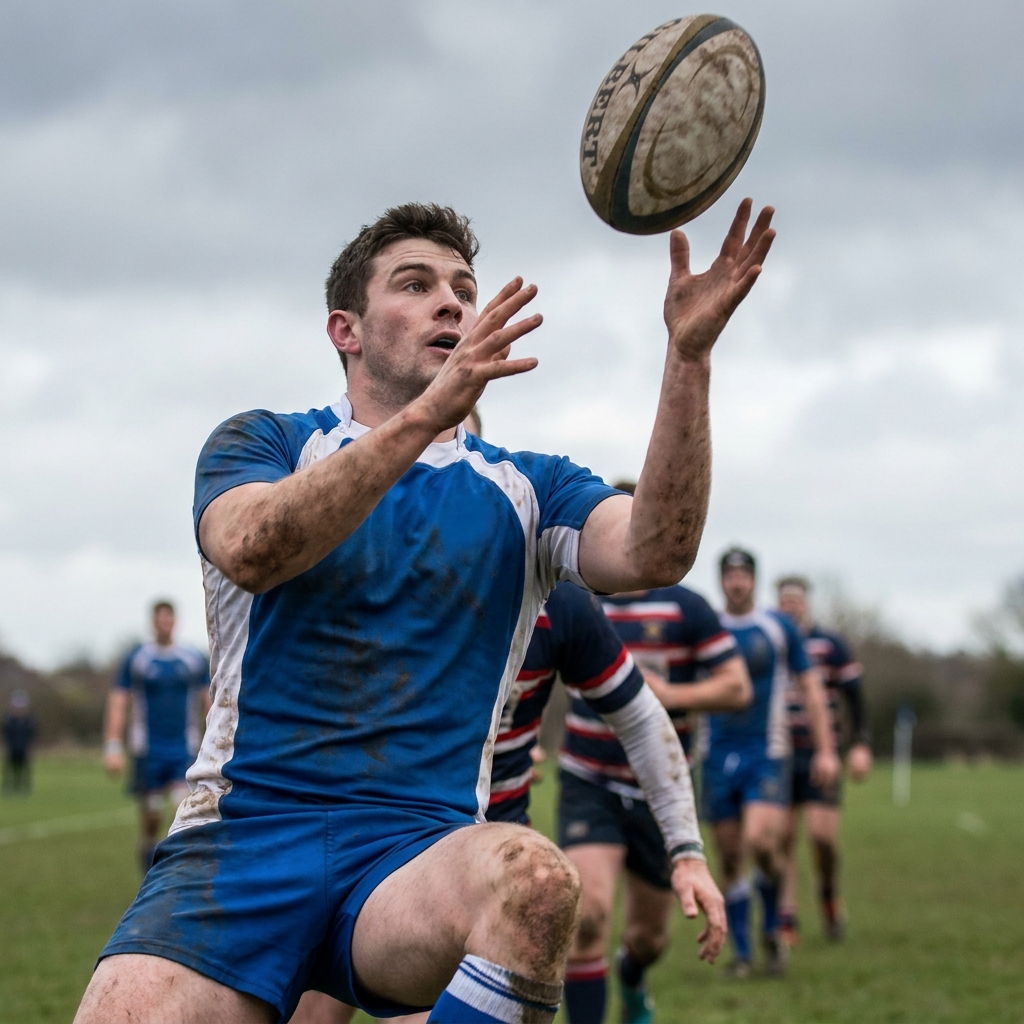
A box kick or up-and-under is only as good as the chase behind it. Here is how to organise your chase line, compete in the air safely, and make sure your own catchers are ready for what comes next.
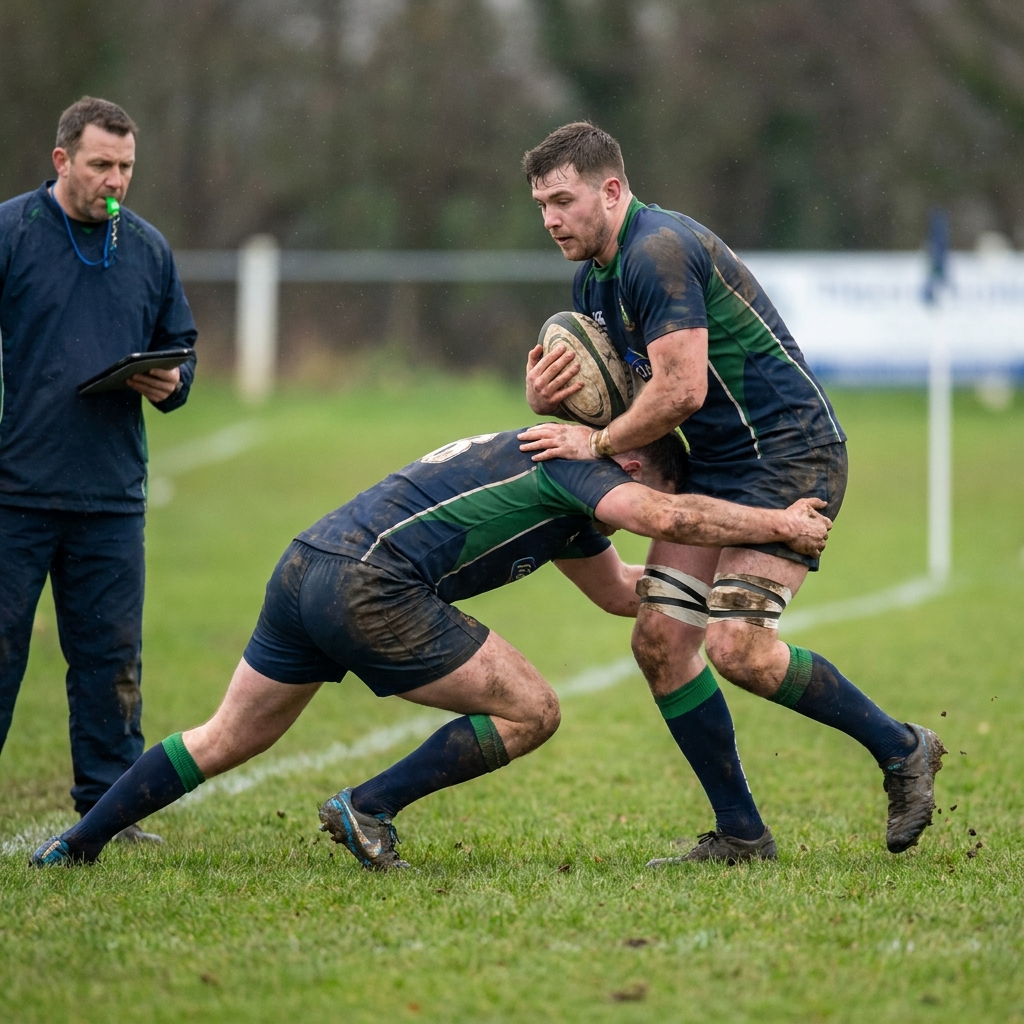
World Rugby's lower tackle height is no longer a trial. It is law in community rugby from this season, and unions choose waist or base of the sternum. Here is how to retrain your defence.