Set up two channels. Player sets off and accelerates to full speed in red cone zone (as indicated by green arrow).
Coach (player) static outside channel passes to player who takes at pace and passes to second coach (player) at pace.
You can vary width of channel and type of pass. Start on r to l and then change position of coaches so l to r
Progression to add a third channel to the two players then run together at pace in third channel receiving and passing as before.
1. Player coming onto ball at pace.
2. Player presentping target.
3. Player looking for target before passing.
4. Hands following through.
5. Weakness in technique esp l to r.
6. In third channel second player running from depth.

in more ways than one
 sportplan_netball
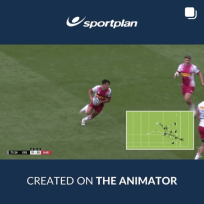

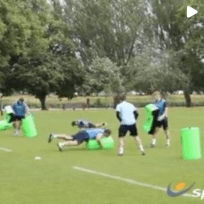
in more ways than one
sportplan_rugby
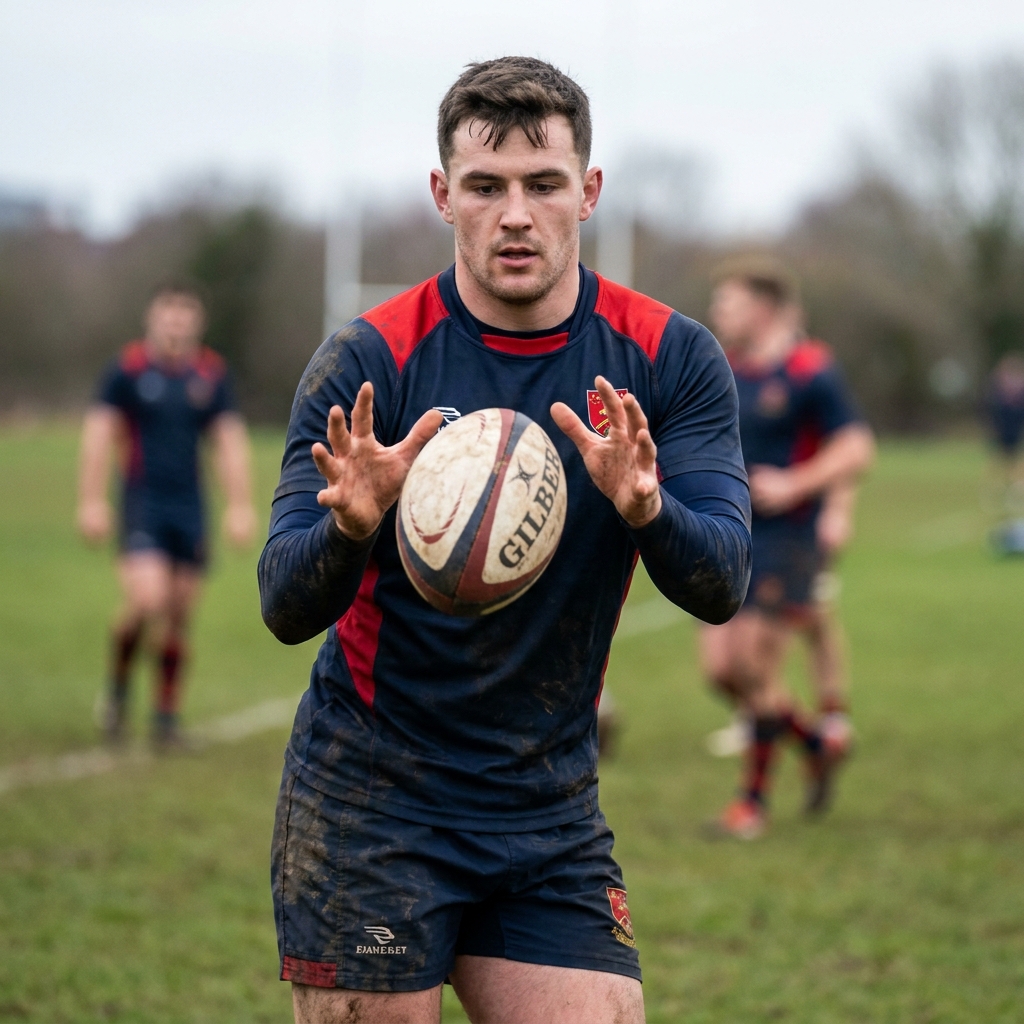
Your players can pass beautifully in a warm-up grid. Then a defender closes, their lungs are burning, and the ball goes to ground. Here is how to build catch-pass skills that hold up when it matters.
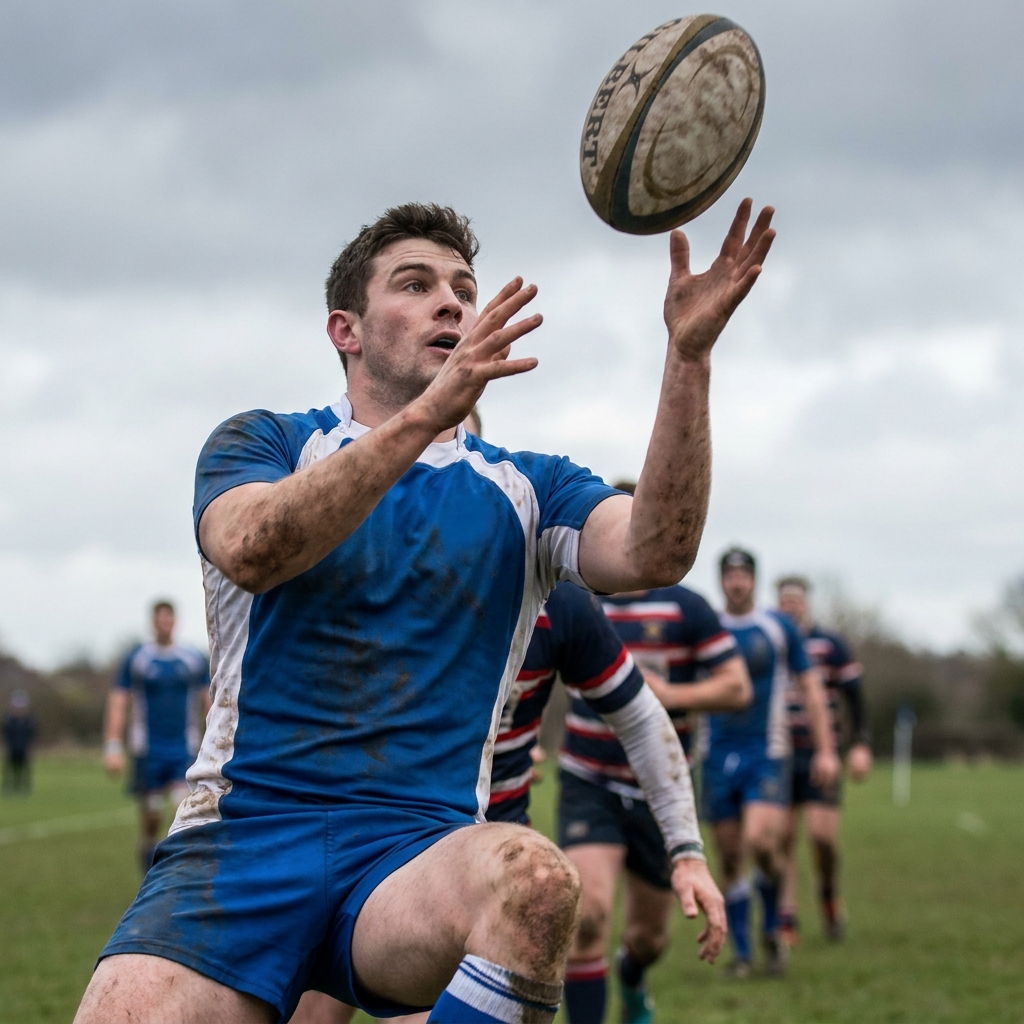
A box kick or up-and-under is only as good as the chase behind it. Here is how to organise your chase line, compete in the air safely, and make sure your own catchers are ready for what comes next.
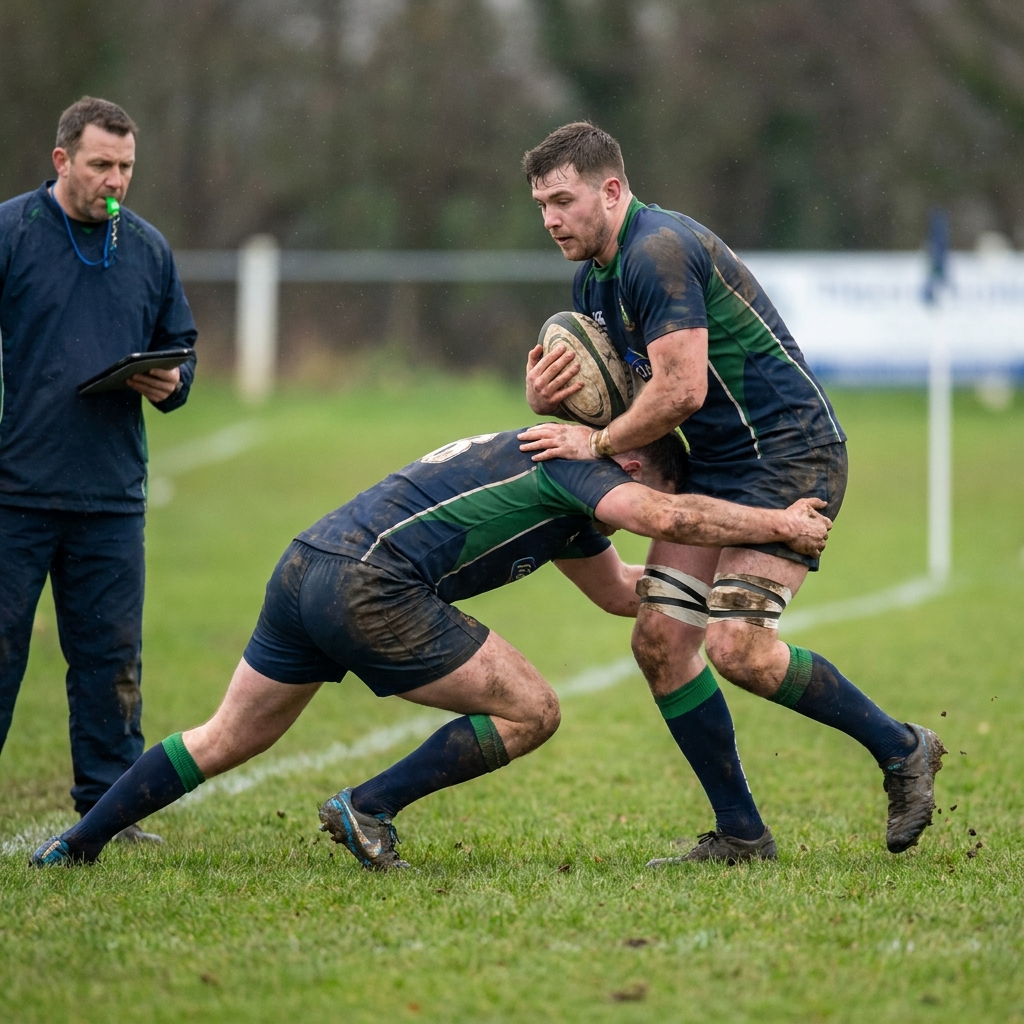
World Rugby's lower tackle height is no longer a trial. It is law in community rugby from this season, and unions choose waist or base of the sternum. Here is how to retrain your defence.