Intent is to develop the players kicking game: technical punting ability as well as encourage players to look for runners to kick to.
Set up good-sized playing area (size dependent on player numbers) - about half a field for 16 players. Object is to score a try - each team playing to opposite ends:
Encourage players to play 'heads-up' - with the team in possession looking for runners, looking for opportunities to get into space and receive a pass or kick. The defending team needs to also be looking to close down space - and track attacking runners if they move into space.
The team in possession needs to communicate: ball-carrier giving direction to runners - and runners in space calling for the pass or kick.
Defending team also needs to communicate - who is being marked/ warn of attackers moving into space/ encouraging hard work to ge tthe ball back

in more ways than one
 sportplan_netball


in more ways than one
sportplan_rugby

Your players can pass beautifully in a warm-up grid. Then a defender closes, their lungs are burning, and the ball goes to ground. Here is how to build catch-pass skills that hold up when it matters.
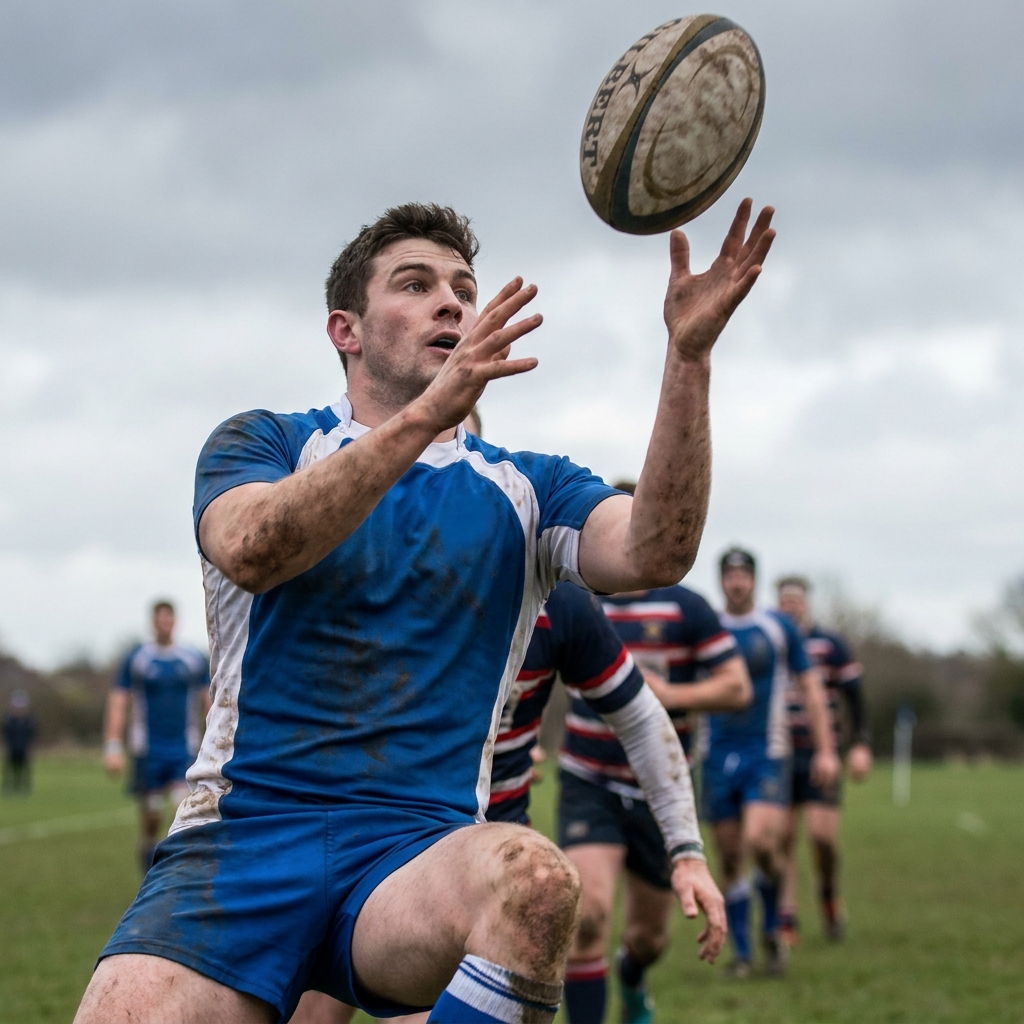
A box kick or up-and-under is only as good as the chase behind it. Here is how to organise your chase line, compete in the air safely, and make sure your own catchers are ready for what comes next.
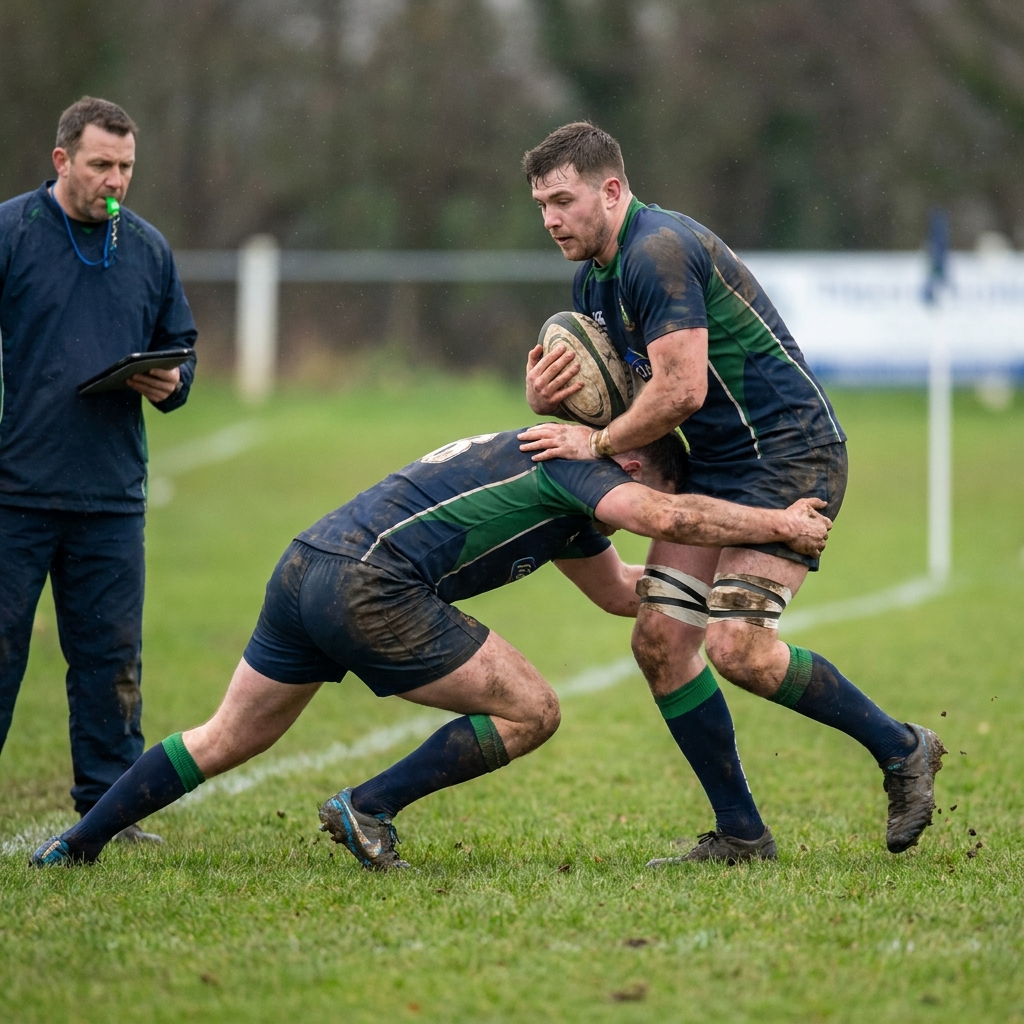
World Rugby's lower tackle height is no longer a trial. It is law in community rugby from this season, and unions choose waist or base of the sternum. Here is how to retrain your defence.