According to the training session objective the coach will change field dimension and will influence the game start (eg. for developing the use of the space he could let start some defenders out of the field or lyed down).
Is very important for the coach to have two balls, therefore he can move the game out of the bunches and let the players understand how important is space (most beginners are infact attracted by the ball only).
The game has to be pretty fast but it's important to stop it (rarelly) when there are some repeted and crucial errors.
It's also important to give continuous feedback (more positive than negative) to the players to help them into decision making.

in more ways than one
 sportplan_netball

in more ways than one
sportplan_rugby
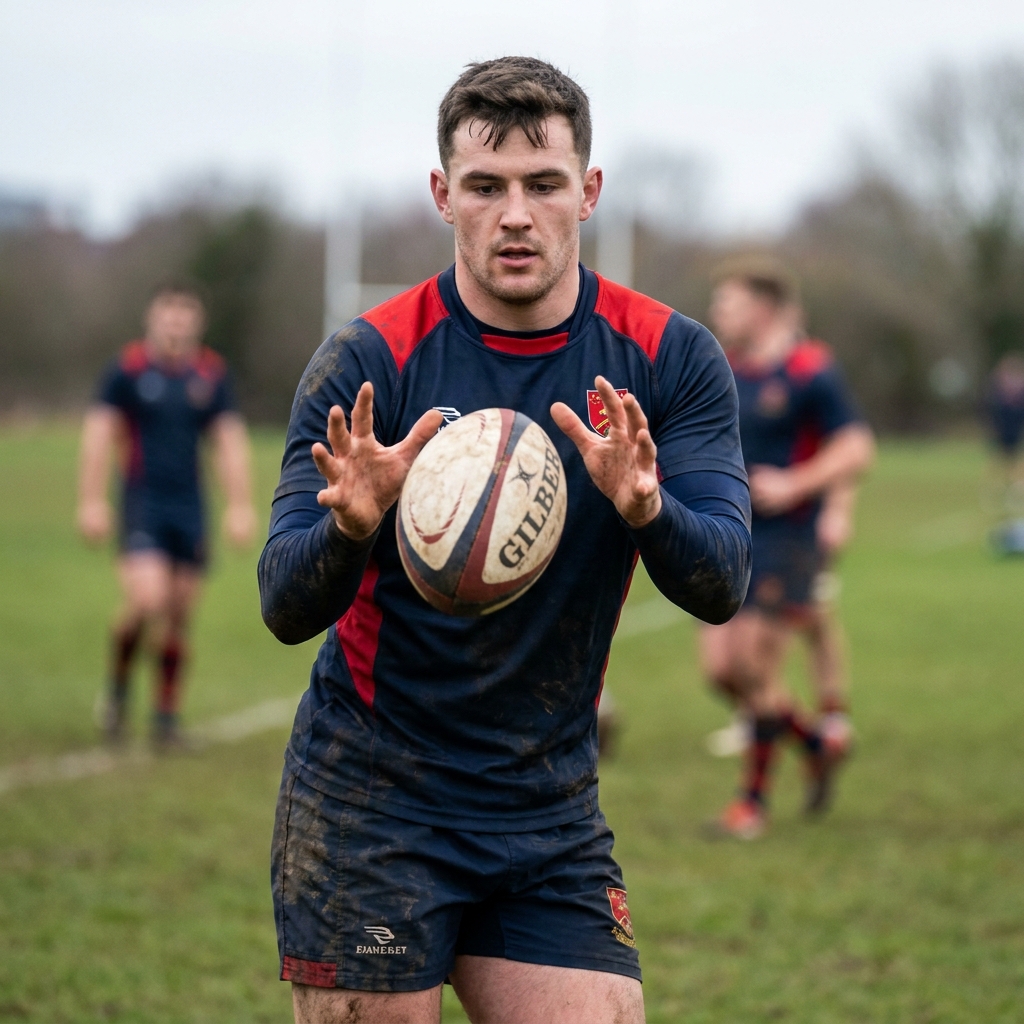
Your players can pass beautifully in a warm-up grid. Then a defender closes, their lungs are burning, and the ball goes to ground. Here is how to build catch-pass skills that hold up when it matters.
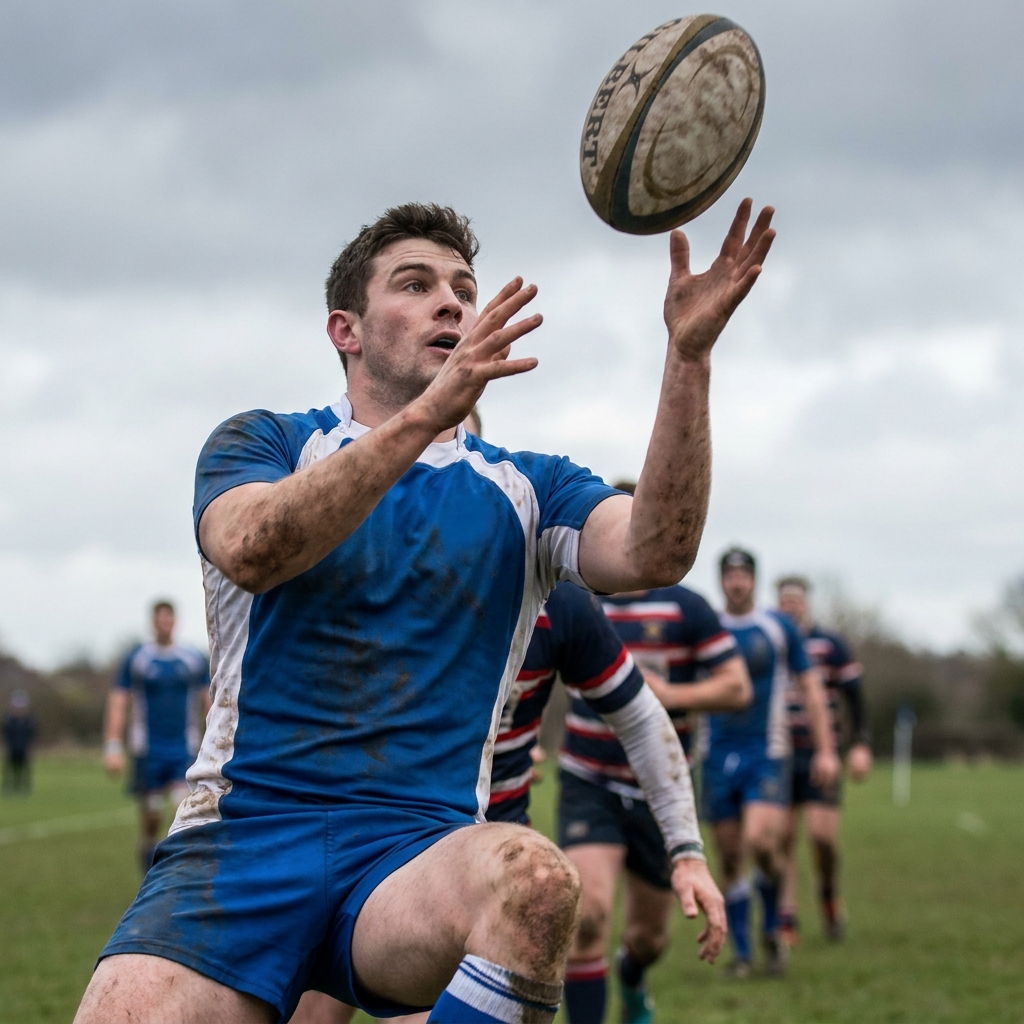
A box kick or up-and-under is only as good as the chase behind it. Here is how to organise your chase line, compete in the air safely, and make sure your own catchers are ready for what comes next.
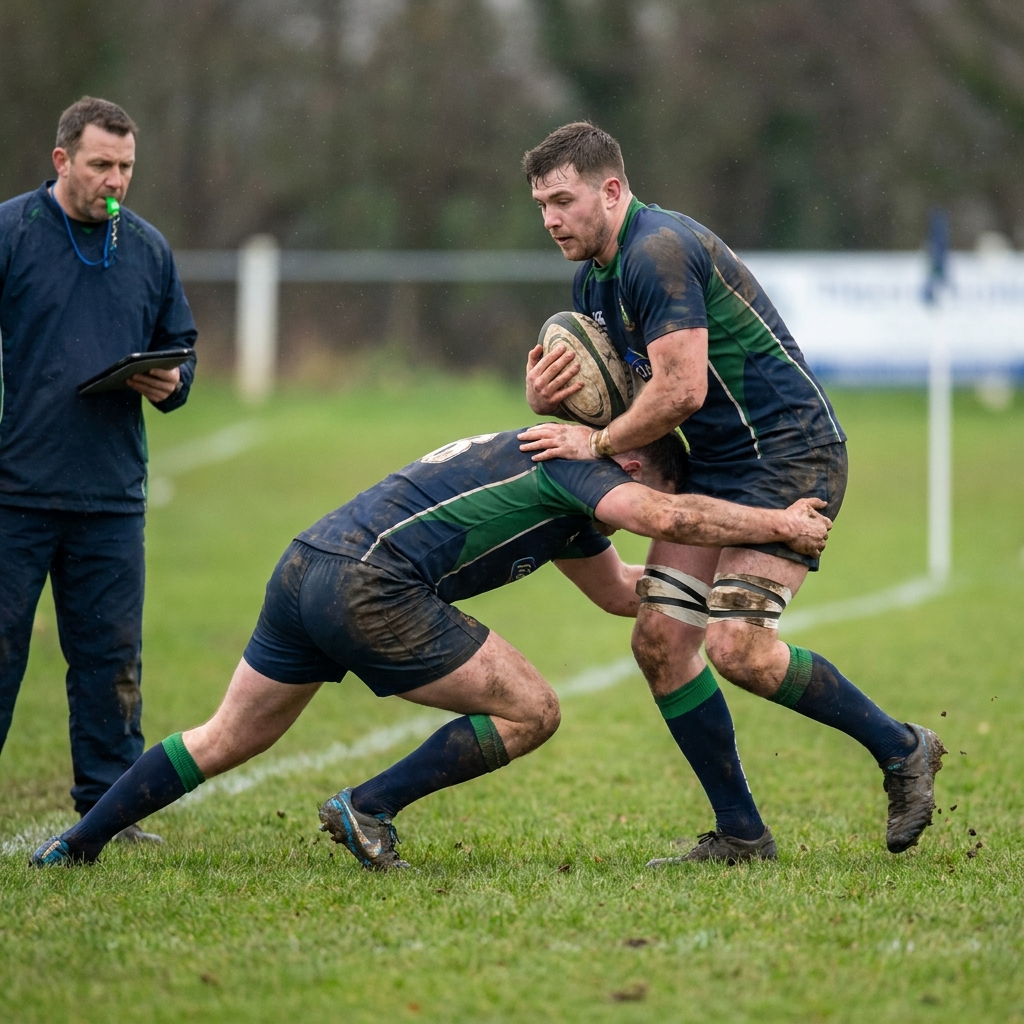
World Rugby's lower tackle height is no longer a trial. It is law in community rugby from this season, and unions choose waist or base of the sternum. Here is how to retrain your defence.