Challenge your players' game sense and spatial awareness with this game on a modified pitch.
The unfamiliar shape will mess with their perception of angles at first, but they will adjust quickly - which then creates a different set of challenges!
Try a session of Triangle Touch before playing on a normal pitch with plenty of width and see the difference in the players' handling, support play and game awareness.
Set up a triangular pitch with 3 try-lines of different colours each approx 30m long.
Play up to 6-a-side, two-handed touch rugby. Ignore forward passes at first unless they become a huge problem.
Line the players up along one try-line as shown. Coach with ball stands in a smaller triangle in the centre.
To start the game, coach chooses one team to be attack, and nominates a try-line by calling out its colour. He then passes to the attacking player FURTHEST from the try-line.
As soon as the coach passes the ball, the defending team can enter the triangle and form their line.
Attacking players must follow the ball carrier into the triangle and act as support - from there, allow a normal game of touch to develop.
When a try is scored, line the players along that try-line, swap attack and defence and continue as before with a different try-line.
What challenges are presented by having angled touch lines rather than parallel? What opportunities present themselves for attack as the game develops?
Modify the game by saying that the ball carrier must step into the centre triangle and pass to a team-mate to start the attack; defence can't make a touch until that has happened. How does each team have to adjust now?
in more ways than one
 sportplan_netball
in more ways than one
sportplan_rugby
2026 brings revolutionary changes to international rugby: a brand new global tournament, historic tours, and law changes that will reshape the game. Here's everything coaches need to know.
The 2025 Women's Rugby World Cup featured a record 32% female coaches - more than double 2021 figures. Here's what this growth means for the sport.
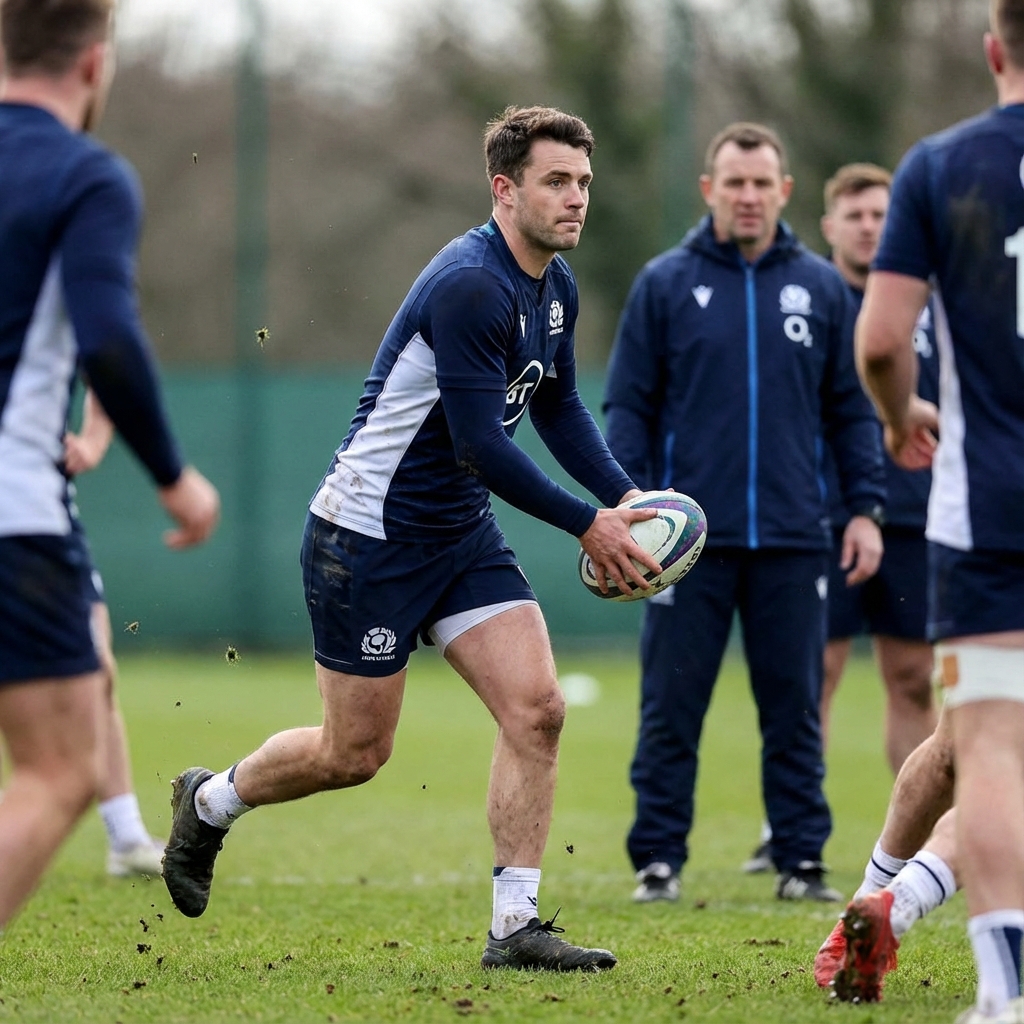
Matches are won by the team that makes better decisions under pressure. Learn how to develop game intelligence and manage critical moments.