- Small sided games (between 4 - 6 a side) on small pitch
- Game of touch rugby
- After a touch, Attacking team places the ball on the floor and FULL attacking team must retreat, touch try line, then turn and play
- Defensive team pick up the ball and attack immediately, until a score or another touch.
- If a team score, ball is left on the try line and FULL attacking team retreats to try line. Defending team plays immediately from try line.
- Game is played in bursts of 1-2 minutes dependant on fitness level, desired outcomes (it is a very physically taxing game)
- Good game for getting players very active, as all players are constantly moving
- Can also be used as a fitness aid for the same reason
- Attacking focus, encouraging players to go forward as they attack. Players are trying to beat defenders back to their try line and score without a touch.
- If this is not an option, then attacking team is trying to move the ball as the defence turns formt he try line
- Attackers want to read the direction the Defenders hips are facing, and pass the ball towards their back so they cannot defend.
- Try to isolate a player on the win, so that we can create 2 v 1 scenarios and give players a chance to read defenders body shapes

in more ways than one
 sportplan_netball


in more ways than one
sportplan_rugby

Your players can pass beautifully in a warm-up grid. Then a defender closes, their lungs are burning, and the ball goes to ground. Here is how to build catch-pass skills that hold up when it matters.
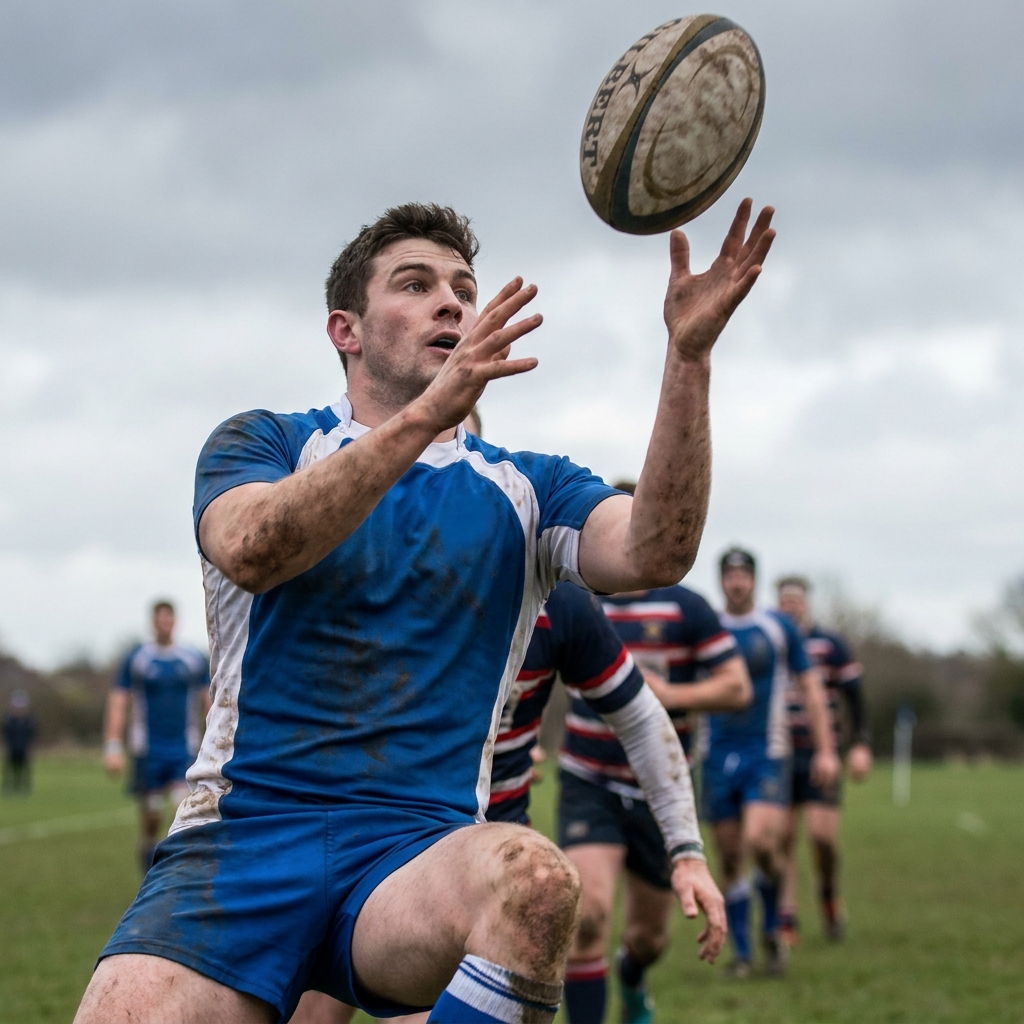
A box kick or up-and-under is only as good as the chase behind it. Here is how to organise your chase line, compete in the air safely, and make sure your own catchers are ready for what comes next.
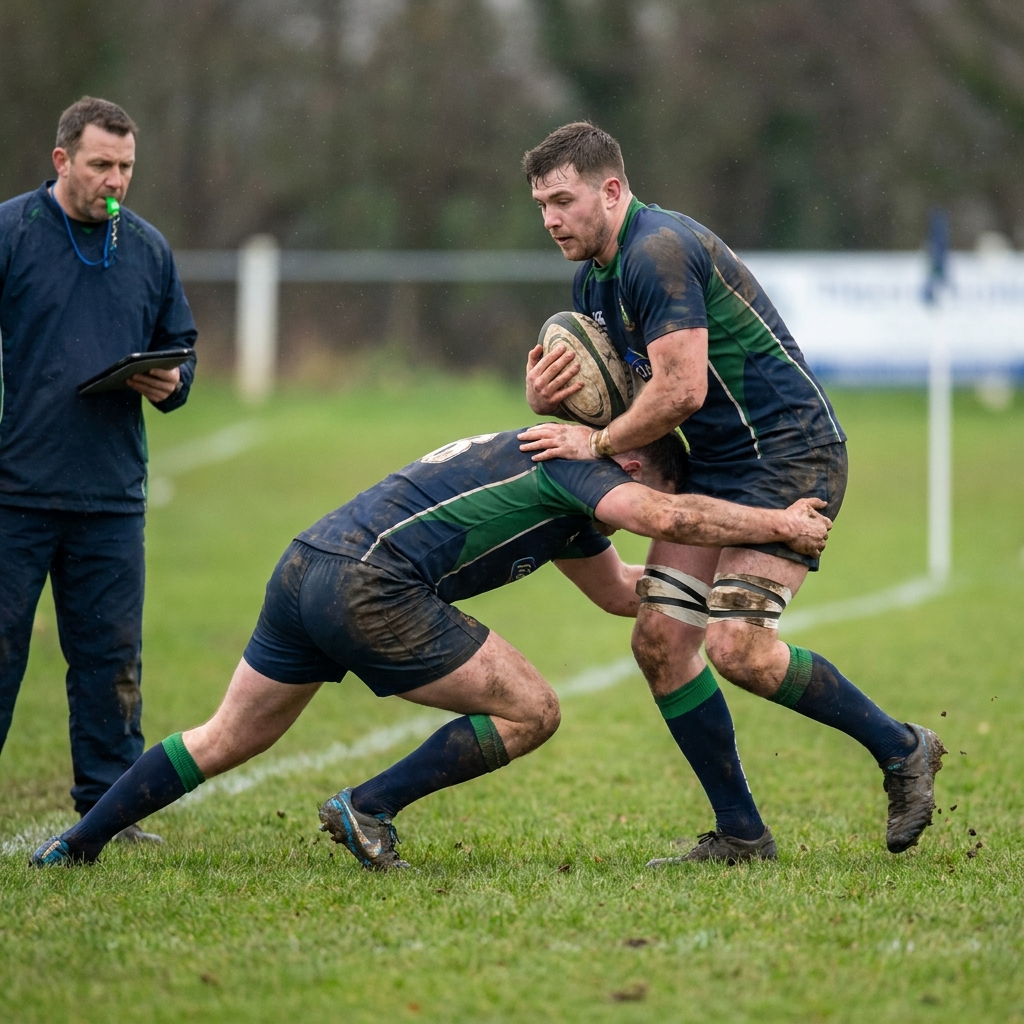
World Rugby's lower tackle height is no longer a trial. It is law in community rugby from this season, and unions choose waist or base of the sternum. Here is how to retrain your defence.