The "tower of power" is the most important fundamental for coaching children contact skills. It is the basis of a players body position prior to and during contact and is one of the first techniques that should be coached
Start by asking group
Who knows what the total power is? A It's our policy of the basic stuff from scrum, ruck, lineout General body position, which is important in pretty much every facet of Rugby. So it's a really strong body position.
Go over the fundamentals with the group on how to get into the Tower of Power position.
1. Feet shoulder width apart. Facing Straight
2. Bend knees and go onto balls of your feet.
3. Sink your bottom down and stick it out like a baboon.
4. Bend at the hip with Straight Back
5. Bring in elbow into body, squeezing my shoulder blades together like you're squeezing a pencil between your shoulder blades
6. Stick your chest out.
7. Head in neutral position looking through eyebrows.
Get group into pairs and go through those key points together one to coach and the other to do it. Once a student is in position, the person coaching can apply some pressure to the side and on the shoulders using their hands to see if the player is within a strong position.
Coaches and sports leader to walk around their group and assist where needed, reminding the students of the key fundamentals throughout.

in more ways than one
 sportplan_netball

in more ways than one
sportplan_rugby
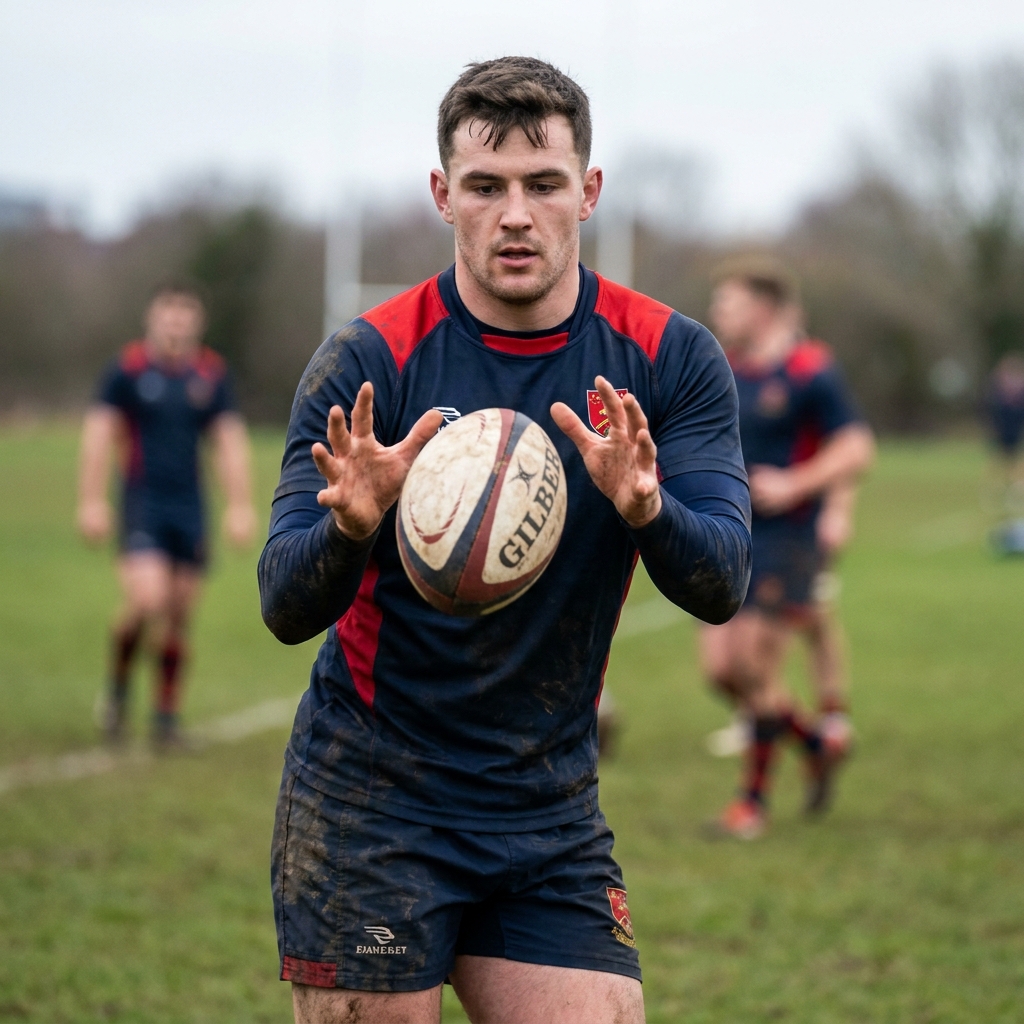
Your players can pass beautifully in a warm-up grid. Then a defender closes, their lungs are burning, and the ball goes to ground. Here is how to build catch-pass skills that hold up when it matters.
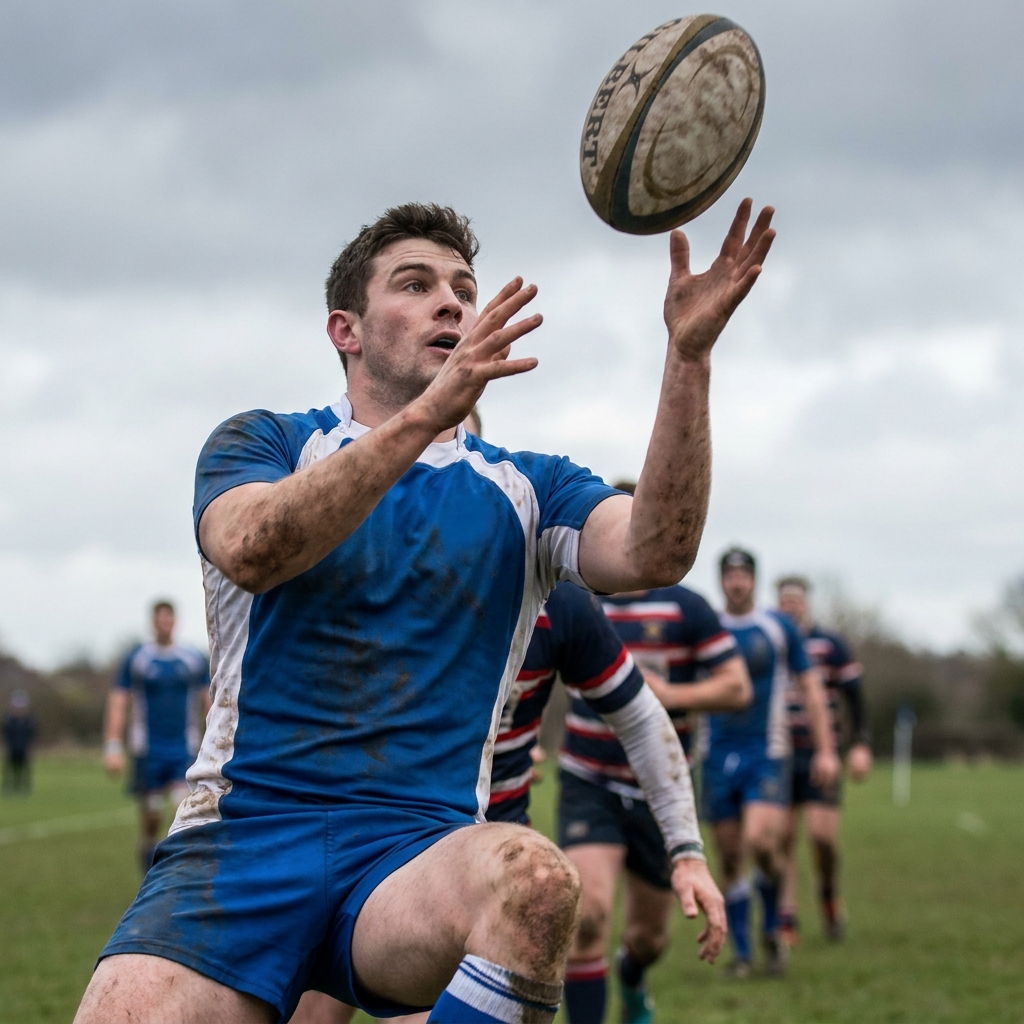
A box kick or up-and-under is only as good as the chase behind it. Here is how to organise your chase line, compete in the air safely, and make sure your own catchers are ready for what comes next.
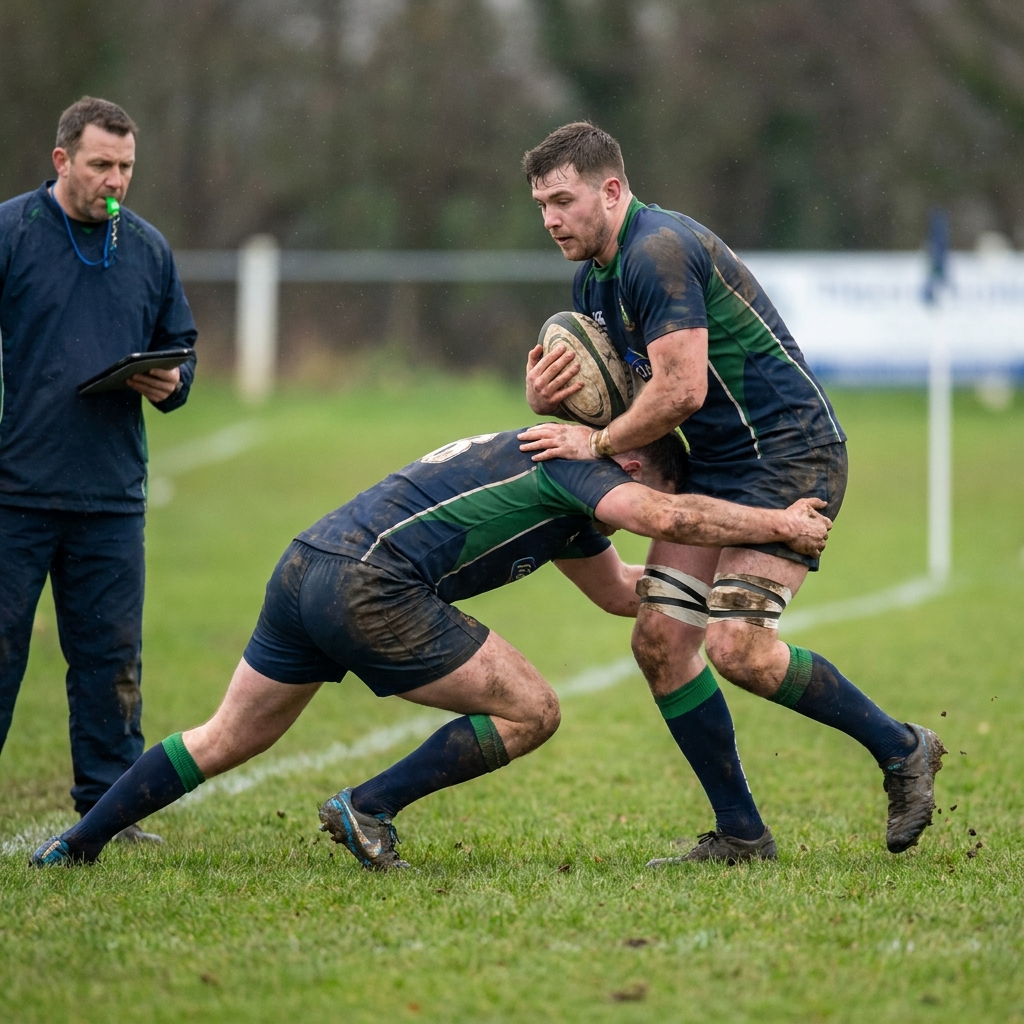
World Rugby's lower tackle height is no longer a trial. It is law in community rugby from this season, and unions choose waist or base of the sternum. Here is how to retrain your defence.