

Player A (orange) makes a leading run from the p-spot to the top of the D (coach can stand here as passive defender)
Player A receives pass from player B (front of queue Blue) and makes a carved run around the baseline.
Player B continues run to receive a pass back from player A to score.
1. Player A needs to imagine there is a defender tracking - must protect ball with their body. Can put a tracking defender in to force the positioning.
2. Player B needs to hold their run to arrive at the point of the pass. If playing with keeper, they should cut out 45 degree pass. encourage the 90. Coach can cover near post to force 90.

in more ways than one
 sportplan_netball



in more ways than one
sportplan_hockey
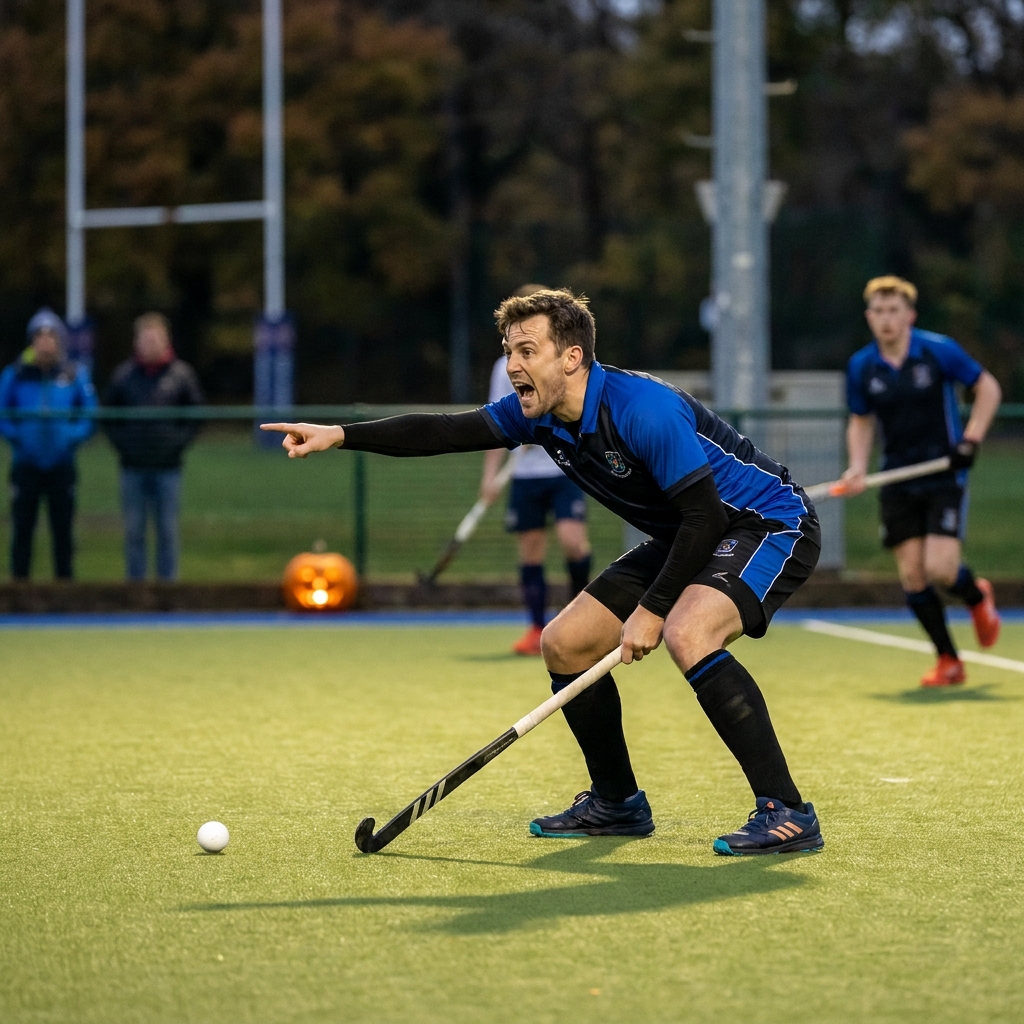
Two defenders chase the ball, nobody covers the runner, and a soft goal goes in. Here is the five-step treat for the mix-up haunting hockey defences this October.

A few weeks into the league season, poor first touches are costing teams the ball. Coach body shape, scanning and receiving on the move to keep possession.

Pre-season fitness fades fast once the league starts. Build conditioning into ball work and use rolling subs well to keep your squad sharp all season.









