

Same set up as previous drill without elimination skill.
Add a 3rd player [D.] as a defender as indicated.
Once player [Y] passes the ball he joins the attack.
As soon as player [X] receives the ball player [D] becomes active, creating a 2v1 scenario.
RULES: Attackers are not allowed to hit the ball; play only ends with a goal, the ball leaving the circle or an attacking foul.
1. Start defenders a passive to begin with.
2. Upgrade to time limit of 6 seconds to score a goal (focus on increase in intensity).
3. If necessary add a 2nd defender to create a 2v2 (based on group progress)

in more ways than one
 sportplan_netball



in more ways than one
sportplan_hockey

The first weeks of the season decide whether a junior or new player sticks with adult hockey. Here is how to keep them safe, give them a clear job and build their confidence from the very first bully.
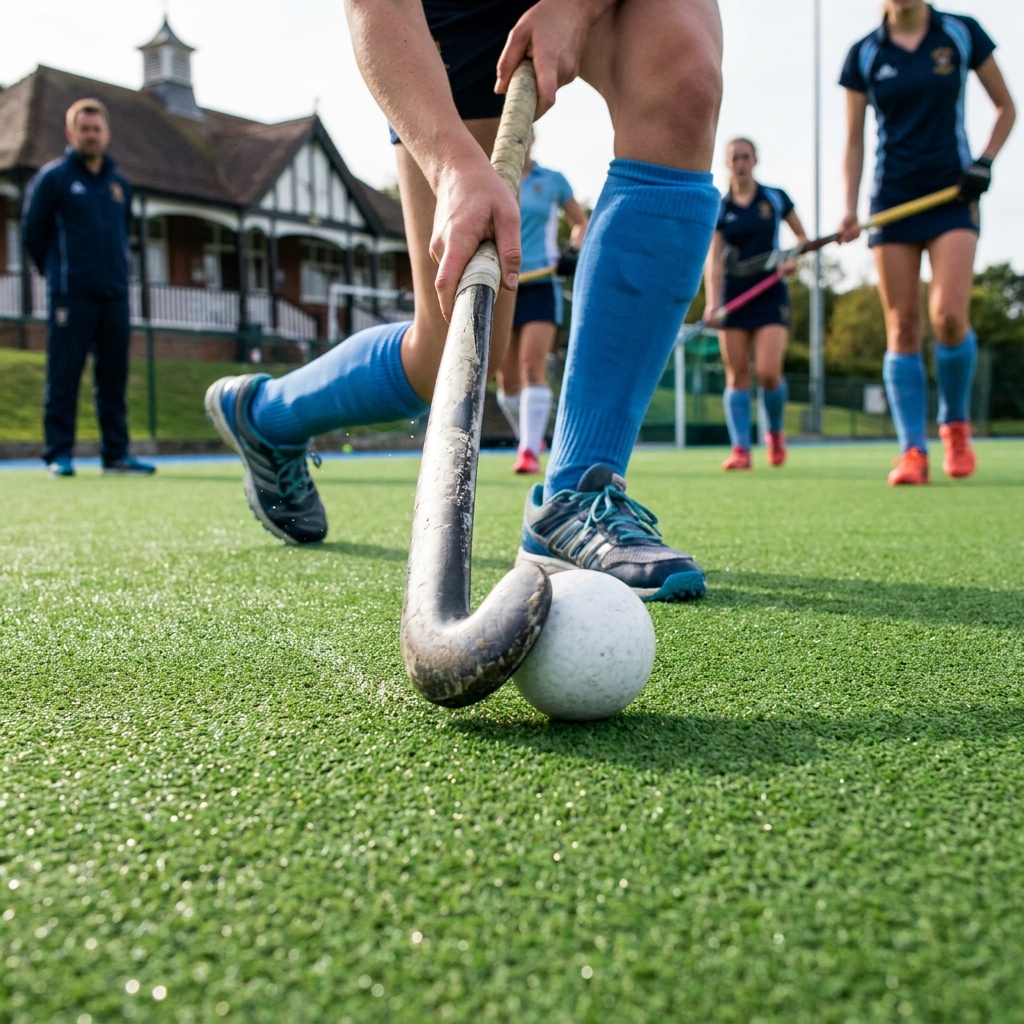
Most tackles are lost before the stick goes down. Teach your defenders to channel, wait and choose the right tackle, and you will win more ball and give away fewer cards.
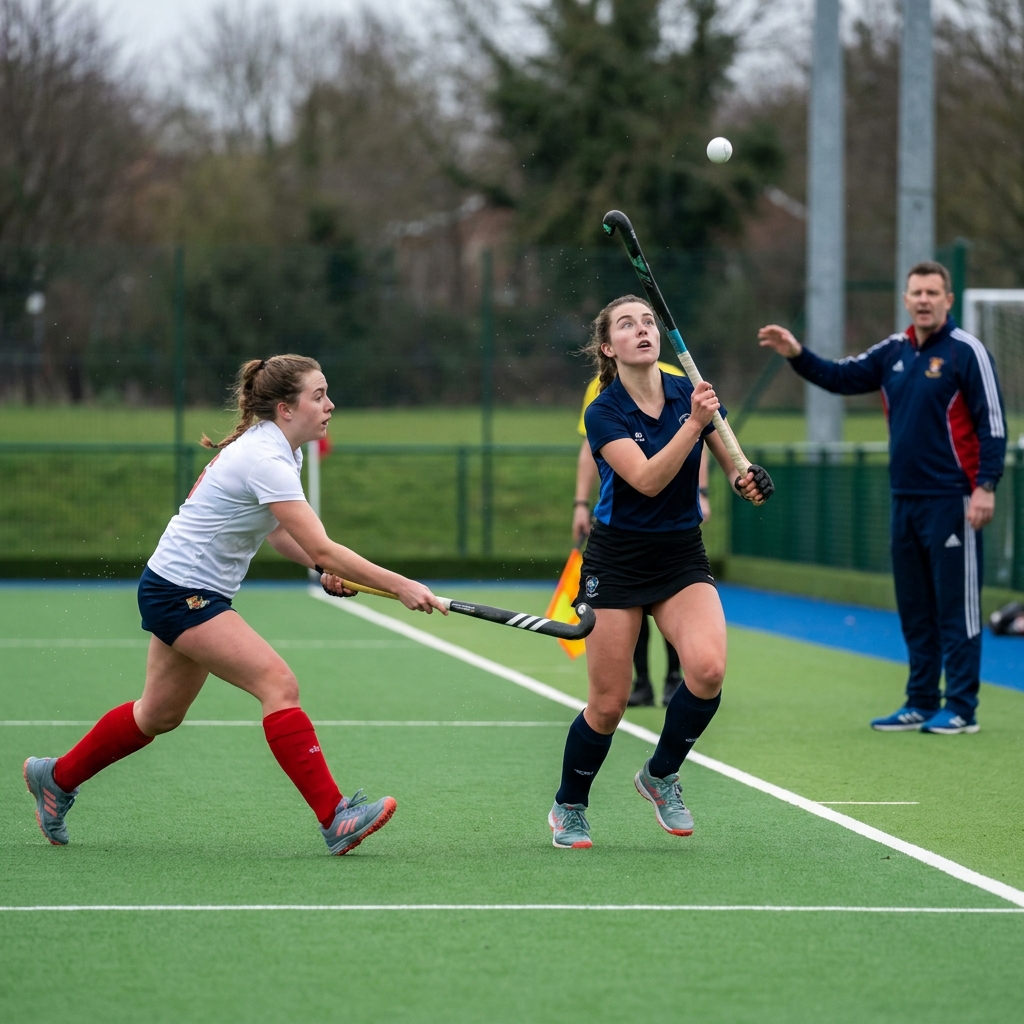
England Hockey's rule guidance for 2026/27 takes effect from 1 September. Here are the changes that will actually alter how you coach, and how to brief your squad in one pre-season session.









