

Team lines up, one player off to backhand side, one at top of D.
Pass from first player in line to player at side. Player at side trap and pass into D for player at top to run on to.
Player at top runs onto ball, pushes ball to keeper. Keeper plays ball back for player to control and shoot.
Play continues until ball is clear of D, or goal is scored.
Players "follow the ball", player taking shot to back of line.
After one run through, swap sides so receiving on backhand at top of D.
Player controlling ball. Pass is for player to run on to. Keeper returns to stance after playing ball back, second clearance is good.

in more ways than one
 sportplan_netball



in more ways than one
sportplan_hockey

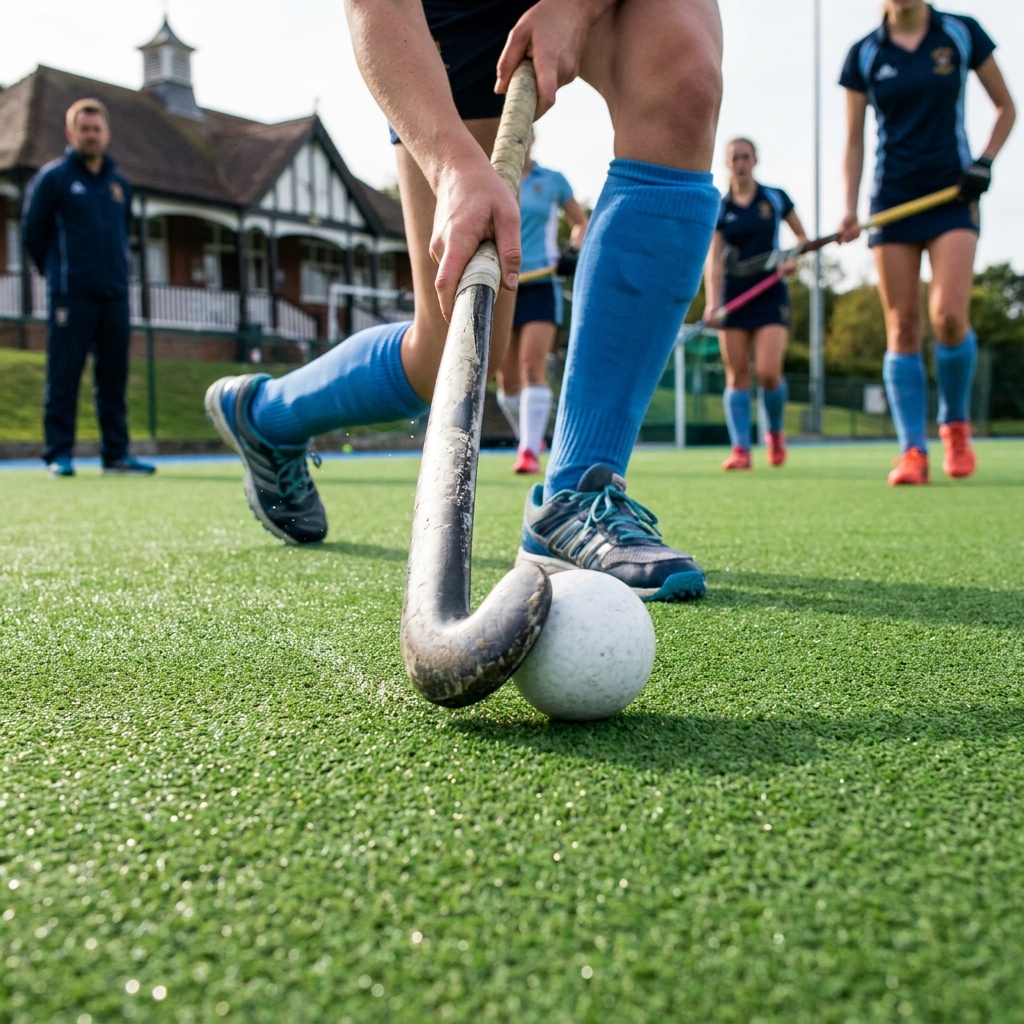
The first weeks of the season decide whether a junior or new player sticks with adult hockey. Here is how to keep them safe, give them a clear job and build their confidence from the very first bully.
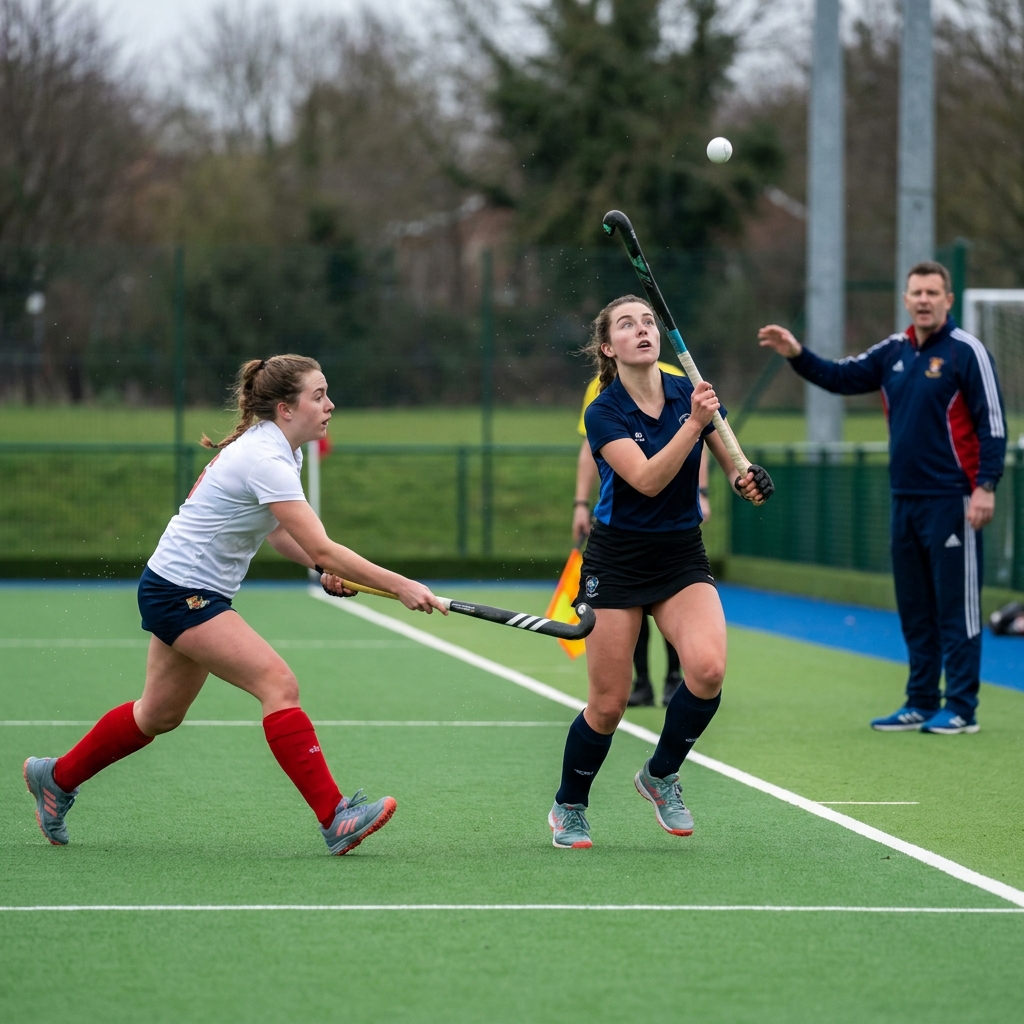
Most tackles are lost before the stick goes down. Teach your defenders to channel, wait and choose the right tackle, and you will win more ball and give away fewer cards.
England Hockey's rule guidance for 2026/27 takes effect from 1 September. Here are the changes that will actually alter how you coach, and how to brief your squad in one pre-season session.









