

entranda en calor 10 minutoscon habiliddes, ponemos conos, aros oara que conduzcan y esquven por toda la cancha.
EJERCICIO A:
Conducción freno en cada cono y cambio de direccioón. Vuelvo por el costado con alguna hablidad (salta pelotita,driblig, etc).
EJERCICIO B:es sin conos
Salen varias al mismo tiempo, al silbato levantan la cabeza mi miran al entrenador que puede levantar la mano izquierda o algo de algun color que haga referencia a la izquierda y deben cambiar de dirección hacia la izquierda, vuelve a tocar el silbato y puede cambiar a la mano derecha y deban cambiar a la derecha.
EJERCICIO C:
Sortear obstaculos, solo conducción, freno y cambio de velocidad, y termino tirando al arquito.
Explicar las tecnicas de las habilidades y la proteccion de la pelota a la hora de hacer un freno con cambio de velocidad o direccion.

in more ways than one
 sportplan_netball



in more ways than one
sportplan_hockey

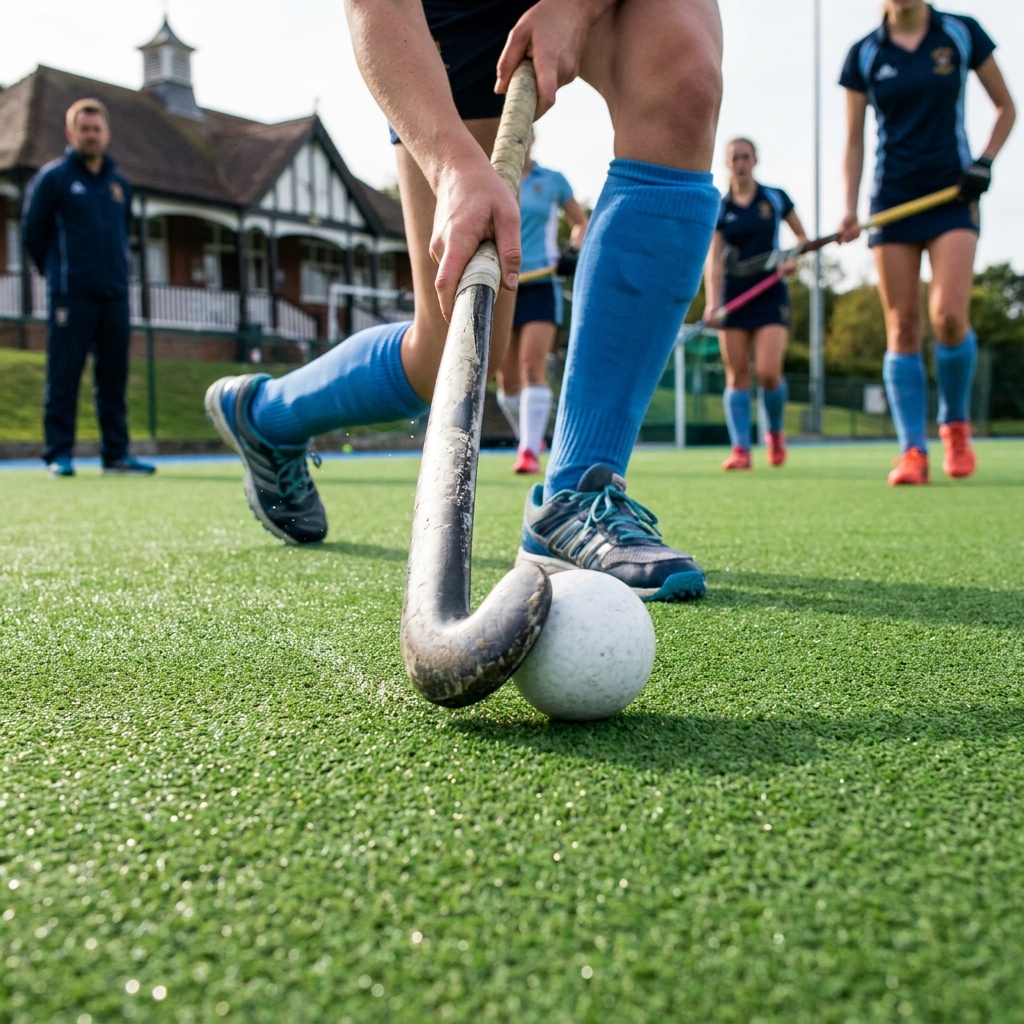
The first weeks of the season decide whether a junior or new player sticks with adult hockey. Here is how to keep them safe, give them a clear job and build their confidence from the very first bully.
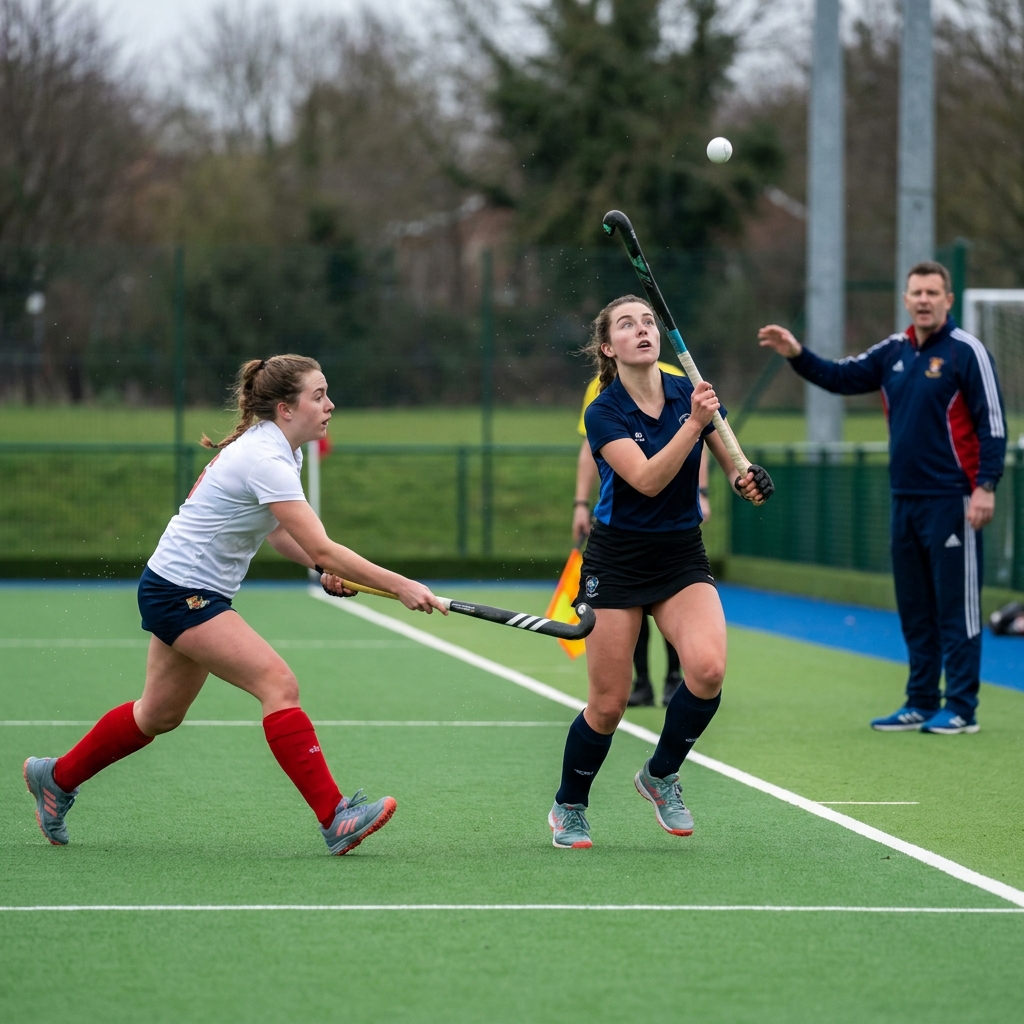
Most tackles are lost before the stick goes down. Teach your defenders to channel, wait and choose the right tackle, and you will win more ball and give away fewer cards.
England Hockey's rule guidance for 2026/27 takes effect from 1 September. Here are the changes that will actually alter how you coach, and how to brief your squad in one pre-season session.









