

1.) Pulse raiser- jogging around the whole pitch
2.) Mobility- arm circling for shoulders, skipping for ankles and knees, lateral flexion and rotation for the core and pelvis swivels for the hips
3.) Stretching- high knees to stretch hamstrings, heel flicks to stretch quadriceps, side-steps to stretch groins, walking lunges with a twist to stretch hip flexors, upper and middle back and activate core rotation and inchworm to stretch upper back
4.) Dynamic movements- shuttle runs from the baseline to the 25m line
5.) Skill rehearsal - foot jab
5. Players stand opposite each other and they are gently trying to jab each others foot whilst protecting their own feet from being jabbed. Time 30 seconds and get them to count how many they are able to do. Do a rematch to then see if they can beat their partner second time around. Any dangerous jab tackles, then players will have to sit out. Make sure ALL players have shin pads in.

in more ways than one
 sportplan_netball



in more ways than one
sportplan_hockey

The first weeks of the season decide whether a junior or new player sticks with adult hockey. Here is how to keep them safe, give them a clear job and build their confidence from the very first bully.
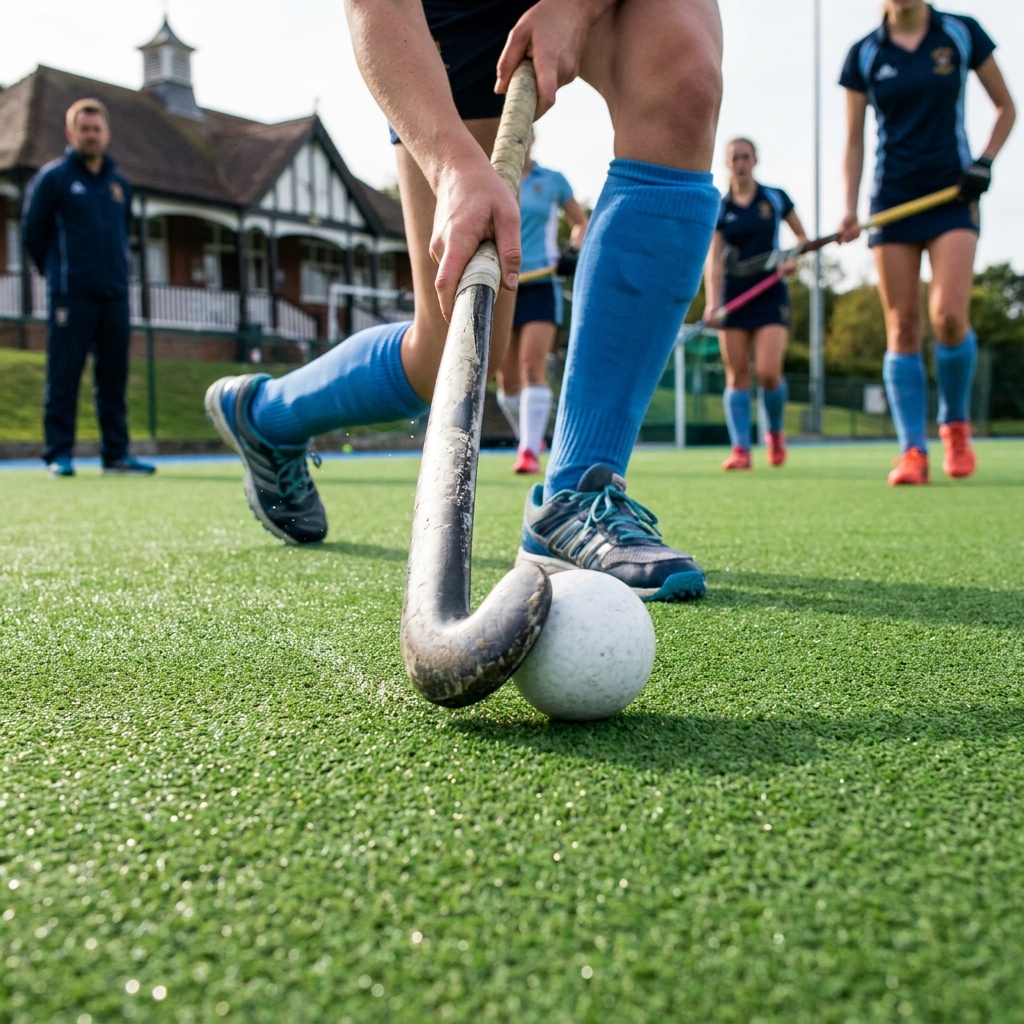
Most tackles are lost before the stick goes down. Teach your defenders to channel, wait and choose the right tackle, and you will win more ball and give away fewer cards.
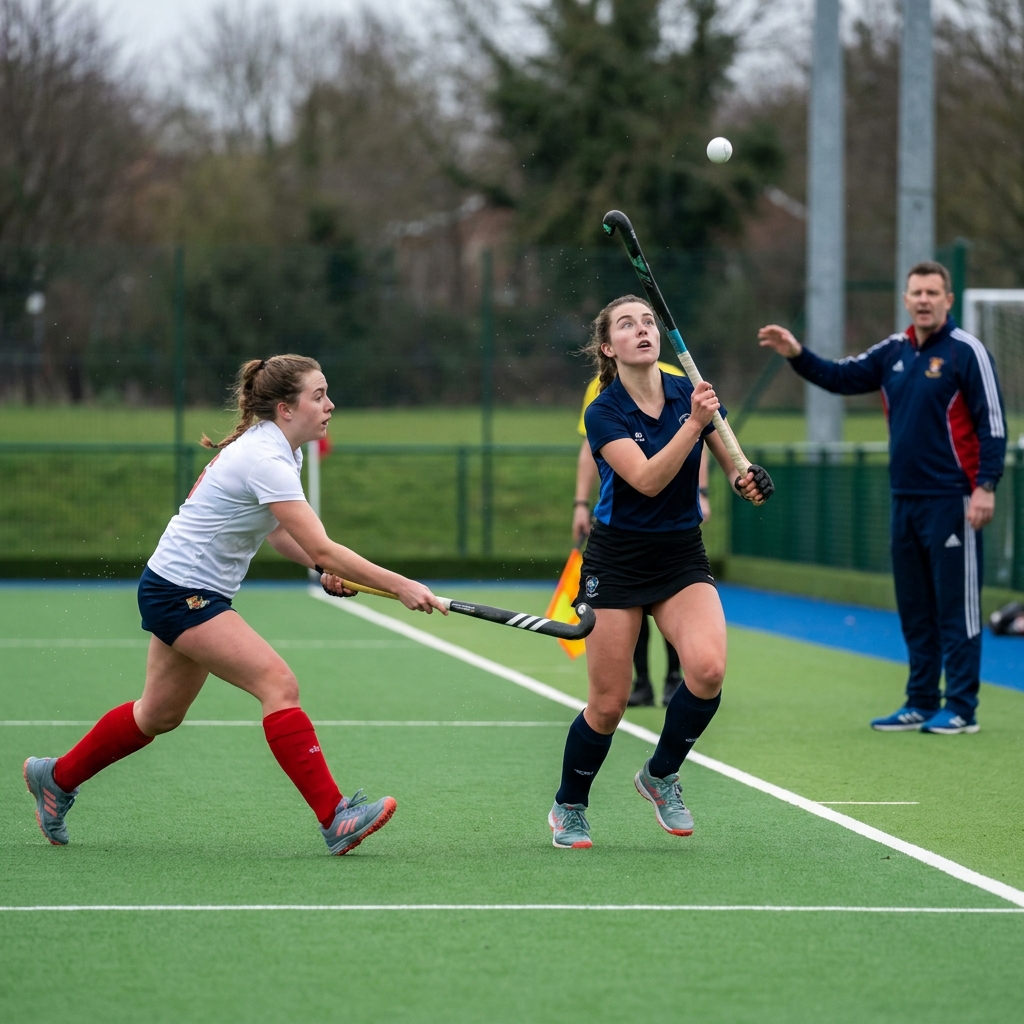
England Hockey's rule guidance for 2026/27 takes effect from 1 September. Here are the changes that will actually alter how you coach, and how to brief your squad in one pre-season session.









