

2 teams, 1 starting in corner (Defending), 1 starting at top of channel (Attacking)
Ball fed from coach mid way up channel.
Constantly changing numbers in the drill
i.e., 2v1 /2v2/3v2/3v3/4v3v4v4
Attacking Outcomes:
Identifying the direct route to goal.
Attacking hard @ pace.
Leading through to create height.
Jumping back when ball is lost.
Defensive Focus: Defending fast break.
Protecting direct line to goal
Outletting after turnover
Defenders score by passing ball to feeder and then receiving it back (this prevents defenders just clearing the ball in general direction of feed)
Add in 2nd/3rd ball
Discussion: What prevents attackers from attacking direct @ goal
Talk about receipt of the ball
Add constraint to demonstrate importance of receving in flow on fast break. i.e., No receiving back to goal

in more ways than one
 sportplan_netball



in more ways than one
sportplan_hockey

The first weeks of the season decide whether a junior or new player sticks with adult hockey. Here is how to keep them safe, give them a clear job and build their confidence from the very first bully.
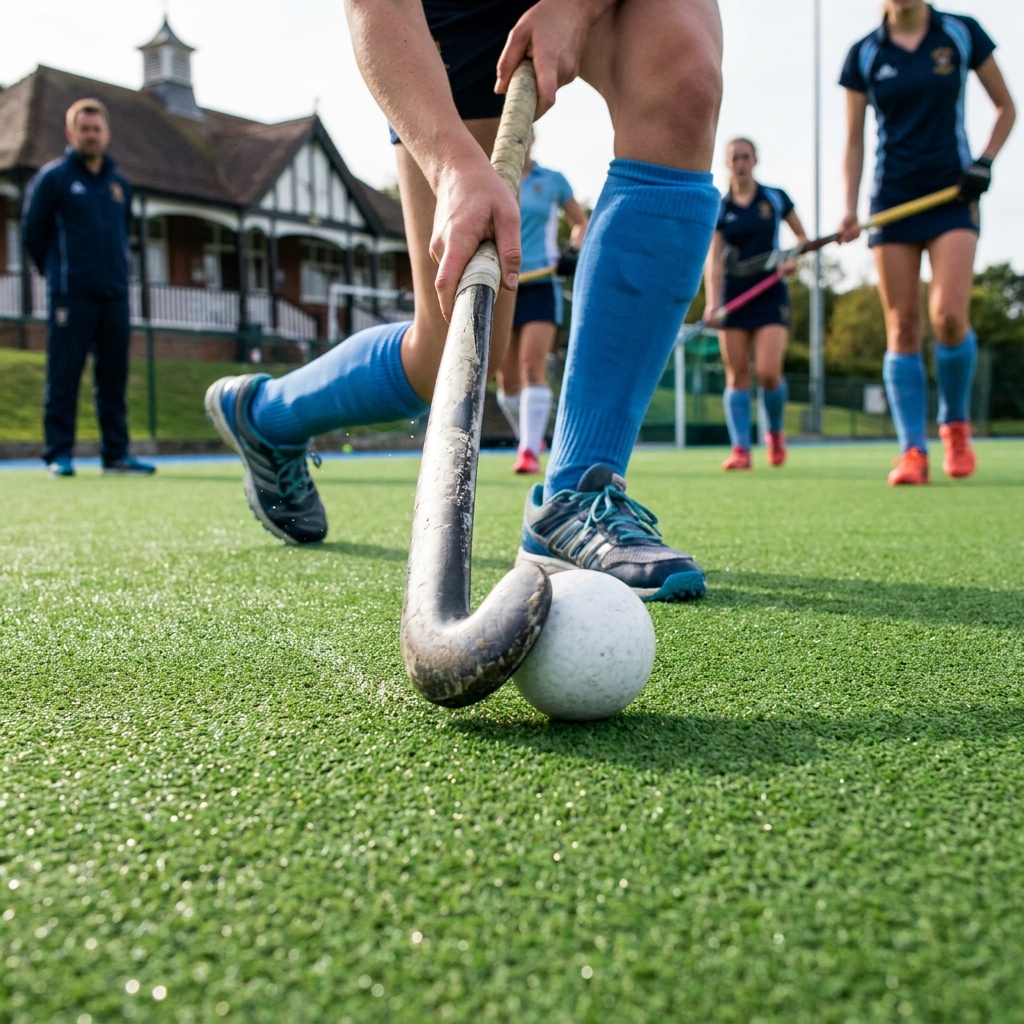
Most tackles are lost before the stick goes down. Teach your defenders to channel, wait and choose the right tackle, and you will win more ball and give away fewer cards.
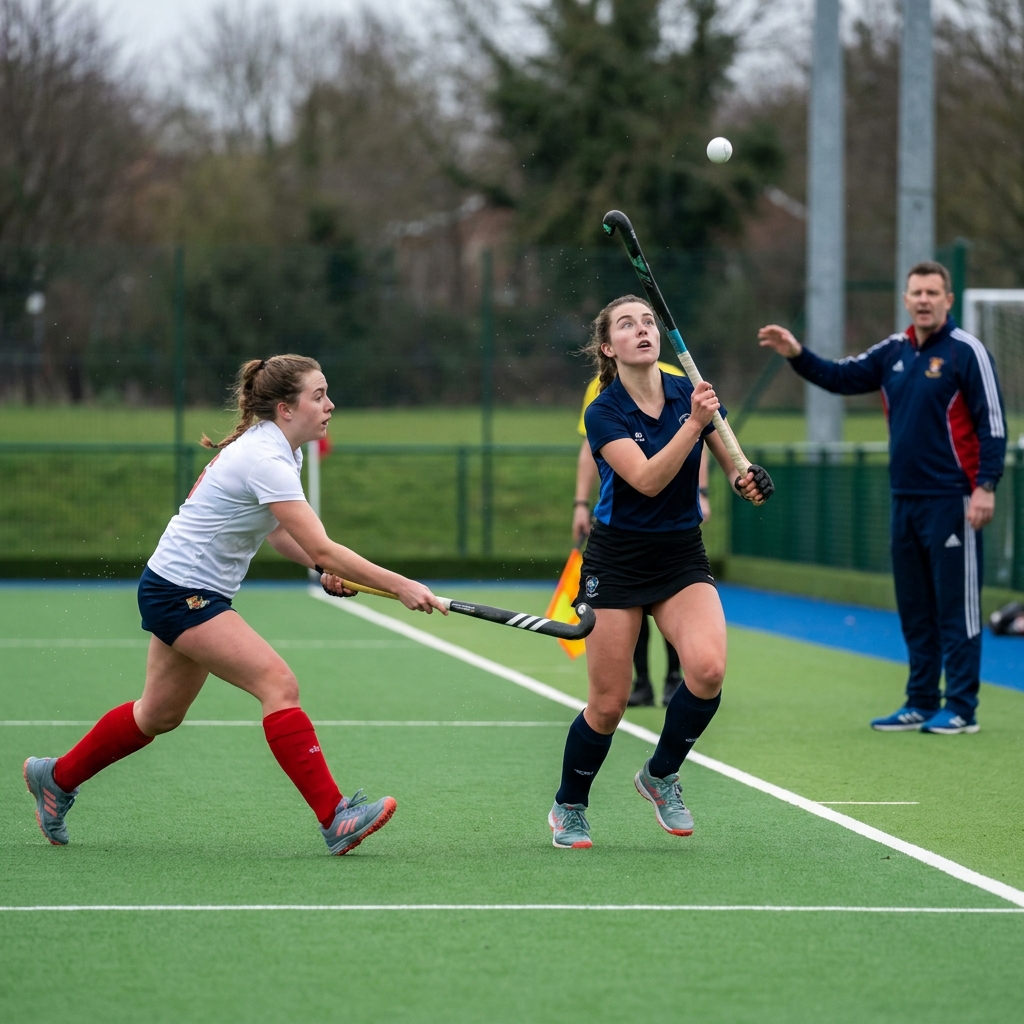
England Hockey's rule guidance for 2026/27 takes effect from 1 September. Here are the changes that will actually alter how you coach, and how to brief your squad in one pre-season session.









