

Aproximaciones
bola 1. Asistencia y 1x1.
bola 2. Pase a derecha y pase a la T, aproximaciòn en la penetraciòn y 2x2.
bola 3. Pase a derecha y 1x1 en mayor espacio, aproximaciòn de volante/defensor.
bola 4. Asistencia al 3 x 3 sin acoplarse.
Movimientos con enganche
Se juega 3 pelotas y se cambia de pefiles. Se realizan aceleraciones previas al inicio de cada bocha ( todas aceleran)
3 bloques de 5 min y despues cambian de roles.
Ir rotando roles y difenrentes aproximaciones.
Adecuar los mòdulos segùn intensidad.
Hacerlo hacia el otro lado
1 Bloque ( 6 min)
Moviemientos sin acleraciones solamente con intensidad de pases
2 Bloque ( 6min)
Movimientos con aceleraciones
1. Bocha ruta nueva
2. Salteo al volantes
3 Movimientos comunes ( invasion, estirada, juego al box)

in more ways than one
 sportplan_netball



in more ways than one
sportplan_hockey

The first weeks of the season decide whether a junior or new player sticks with adult hockey. Here is how to keep them safe, give them a clear job and build their confidence from the very first bully.
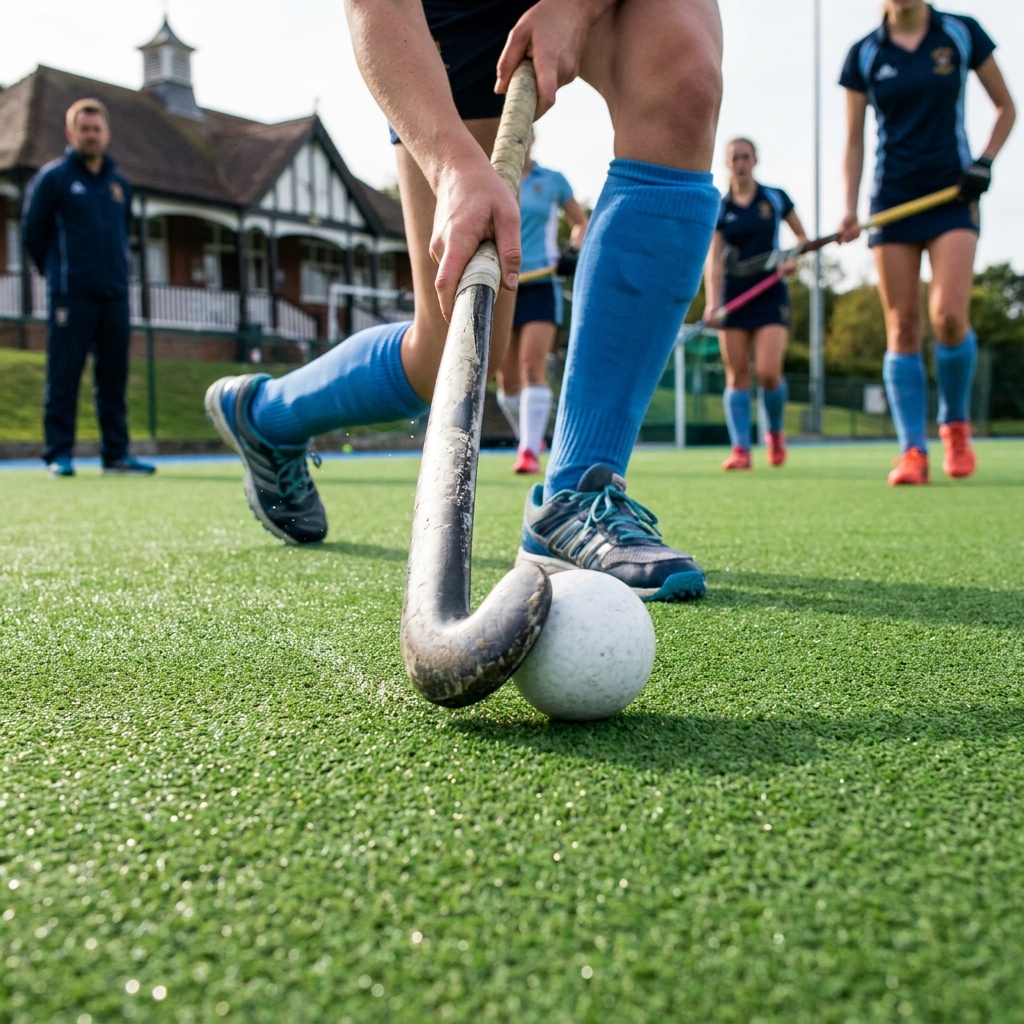
Most tackles are lost before the stick goes down. Teach your defenders to channel, wait and choose the right tackle, and you will win more ball and give away fewer cards.
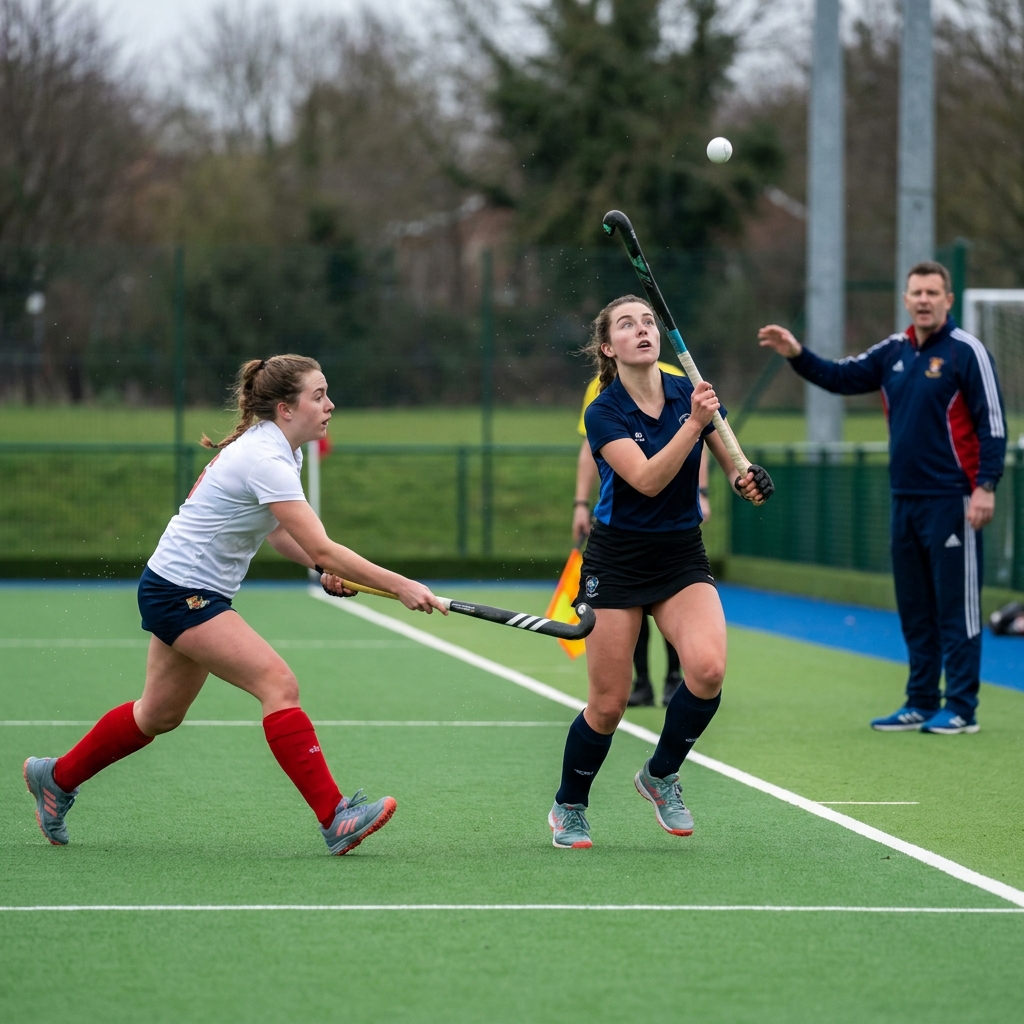
England Hockey's rule guidance for 2026/27 takes effect from 1 September. Here are the changes that will actually alter how you coach, and how to brief your squad in one pre-season session.









