

Ball starts with player 1 at the red cone. They start with a weave through these cones followed by a V-pull (bring ball to left white cone, pull back to middle, and then bring to right cone). This is followed by a pass to player 2, who does two wide right pulls and passes to player 3. Player 3 has an open reception make it wide (pretending there is a defenser in their back) and quickly shoots on cage. Player 3 then sprints to the stroke spot because in the meantime player 4 pushes a ball to this spot and player 3 is expected to one-touch it on cage. Players follow ball. So 1-2, 2-3, 3-1. Player 4 is stationary and you should switch this person after 5 balls or so!
1. Technical skills should be fast but controlled.
2. Passing in each other's stick so receptions are easier.
3. Player 3 has to receive open and wide. This is because they are in a crucial spot where scoring might be blocked by a defender. Pretend that there is a defender in our back. Often whe we are under pressure, shooting is hard. Tell athletes to focus on their hitting technique and don't become to tense. We shoot better when relaxed.
4. One touch on cage: have in mind where you want to shoot the ball but also be flexible in case the ball you receive is not what you had in mind.
5. Emphasize fast pace in this drill.

in more ways than one
 sportplan_netball



in more ways than one
sportplan_hockey

The first weeks of the season decide whether a junior or new player sticks with adult hockey. Here is how to keep them safe, give them a clear job and build their confidence from the very first bully.
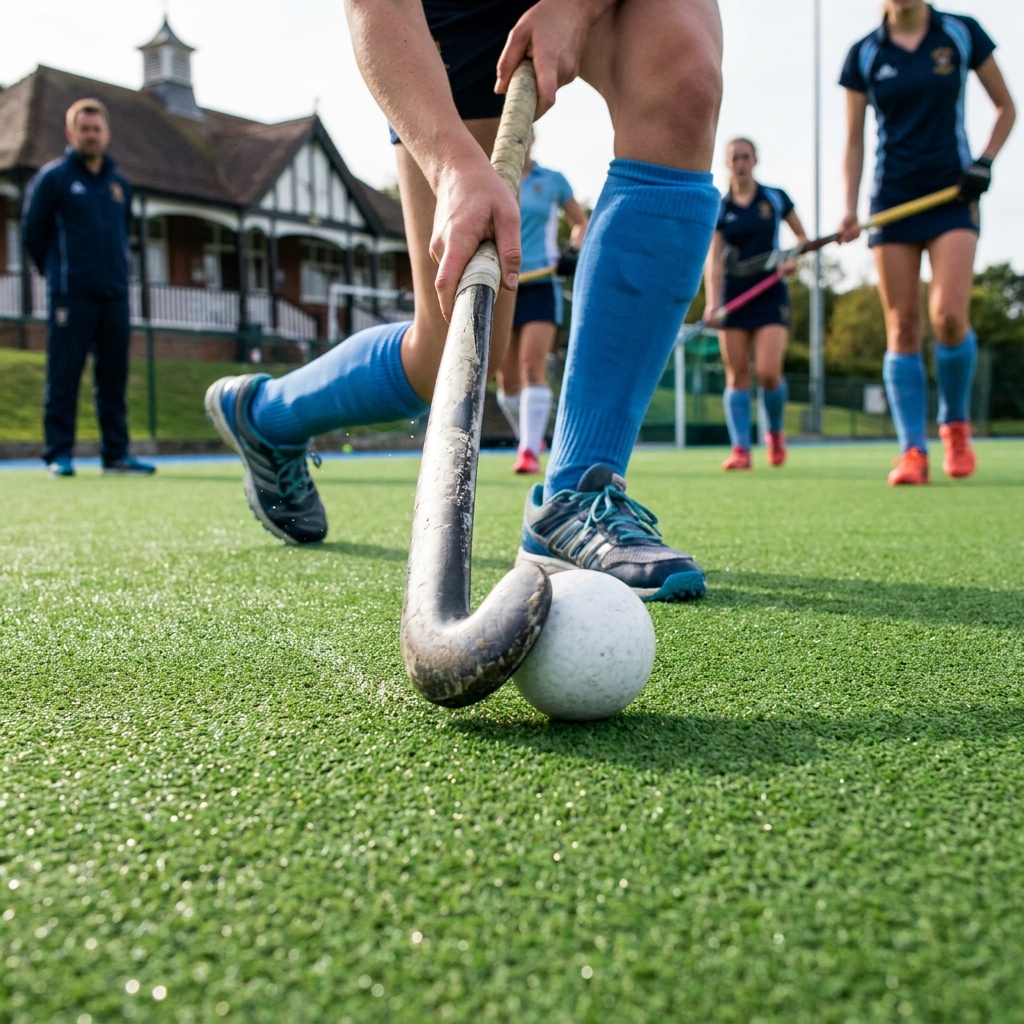
Most tackles are lost before the stick goes down. Teach your defenders to channel, wait and choose the right tackle, and you will win more ball and give away fewer cards.
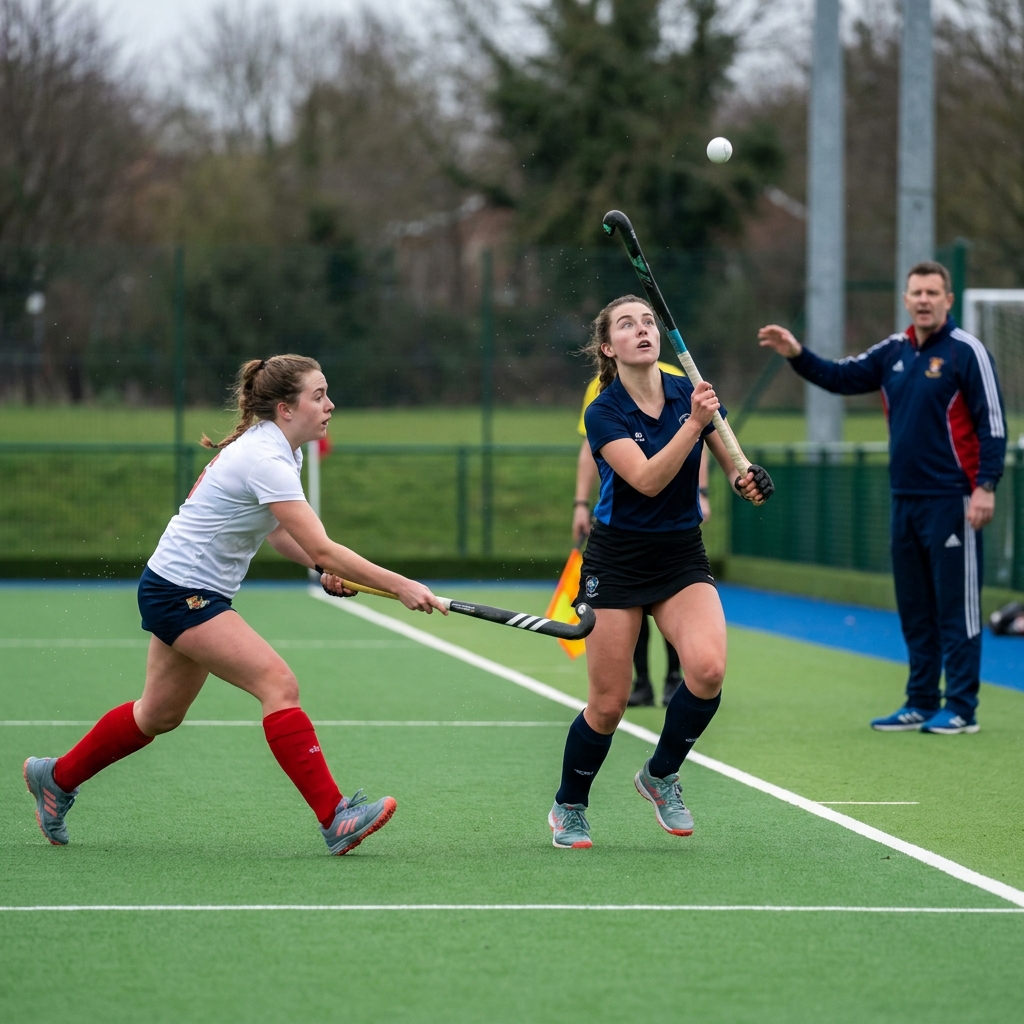
England Hockey's rule guidance for 2026/27 takes effect from 1 September. Here are the changes that will actually alter how you coach, and how to brief your squad in one pre-season session.









