

Key:
Defenders - Yellow
Press - Red
Set up:
Place 3 cone boxes on the field as shown in the diagram (These boxes are the zones where you are aiming to end up in on the transfer so will be coach and strategy dependent.)
Defense set up in desired outletting formation (Again dependent on individual teams strategy and can change throughout the drill as you work on different outletting styles).
Attackers set up in press formation (Again dependent on individual teams strategy and can change throughout the drill as you work on different pressing styles).
The number of players in this drill can vary depending on what the goals are. You can add/take away players whenever to create different pressure situations and increase the progression.
Drill:
Initially the ball will start as a defensive 16 but from then on the game will run as a mini game so hit will be taken where foul occurs. When a goal is scored the teams should set up as a defensive 16 again.

in more ways than one
 sportplan_netball



in more ways than one
sportplan_hockey

The first weeks of the season decide whether a junior or new player sticks with adult hockey. Here is how to keep them safe, give them a clear job and build their confidence from the very first bully.

Most tackles are lost before the stick goes down. Teach your defenders to channel, wait and choose the right tackle, and you will win more ball and give away fewer cards.
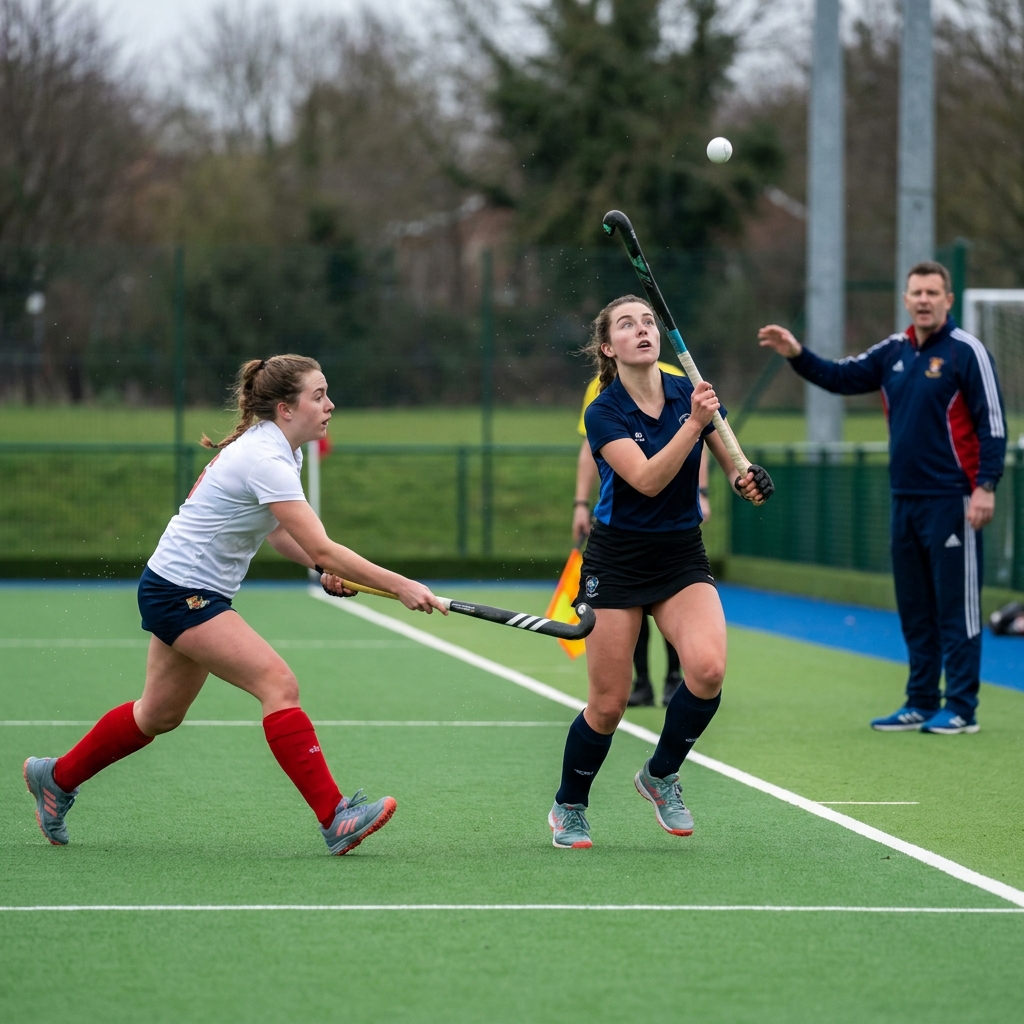
England Hockey's rule guidance for 2026/27 takes effect from 1 September. Here are the changes that will actually alter how you coach, and how to brief your squad in one pre-season session.









