

Goal:
- teach receiving ball from right.
- repeat pull back.
Exercise
* work on 2 sides
* rotation 1-2-3-1
* No 1 plays to no 2.
* no 2 receives with feet forward + goes straight dribbling to opponent (3 cones).
* close to opponent he pulls back and goes to other goal
* at 3 m line no 2 tries to score.
* No 3 tries to trap the ball. If trapping ball then dribble to 1.
End game 1:
- which No 2 shoots on goal first? As trainer you say yes= moment both no 1's can play ball to No 2. Which no 2 has first shot on goal? (Nb if no 3 traps or not, not relevant)
End game 2
* which side has the most shots on goal in 1 min?
Focus receiving :
- feet to attacking goal (reason =fastest to goal)
- knees bent, straight back
- trap ball at right foot
- push left hand to the right to have right angle to trap ball
(NB kids have tendency to have feet to ball- pay attention to feet!!)
Focus pull back
* grip change: left hand turns stick-right same.
* close to stick opponent-> pull ball from front foot to back foot + change direction to the right

in more ways than one
 sportplan_netball



in more ways than one
sportplan_hockey

The first weeks of the season decide whether a junior or new player sticks with adult hockey. Here is how to keep them safe, give them a clear job and build their confidence from the very first bully.
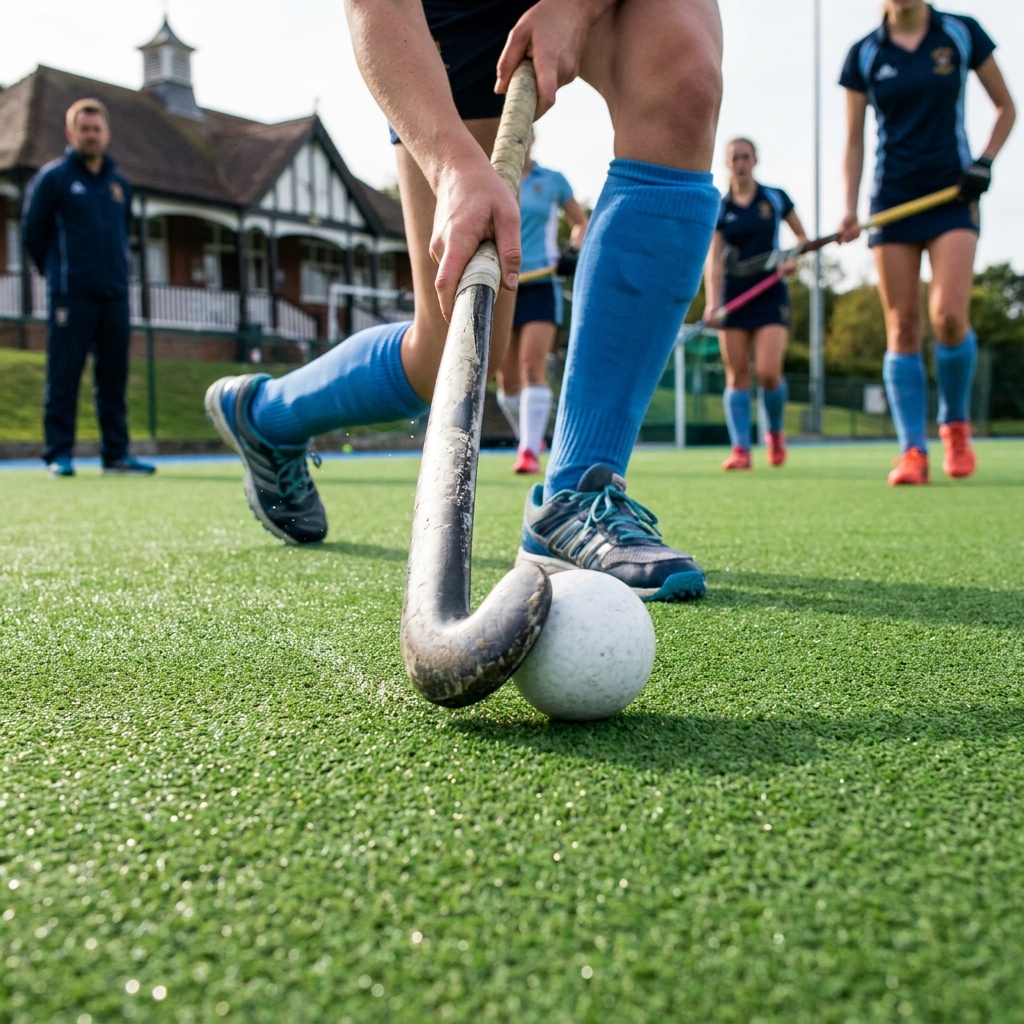
Most tackles are lost before the stick goes down. Teach your defenders to channel, wait and choose the right tackle, and you will win more ball and give away fewer cards.
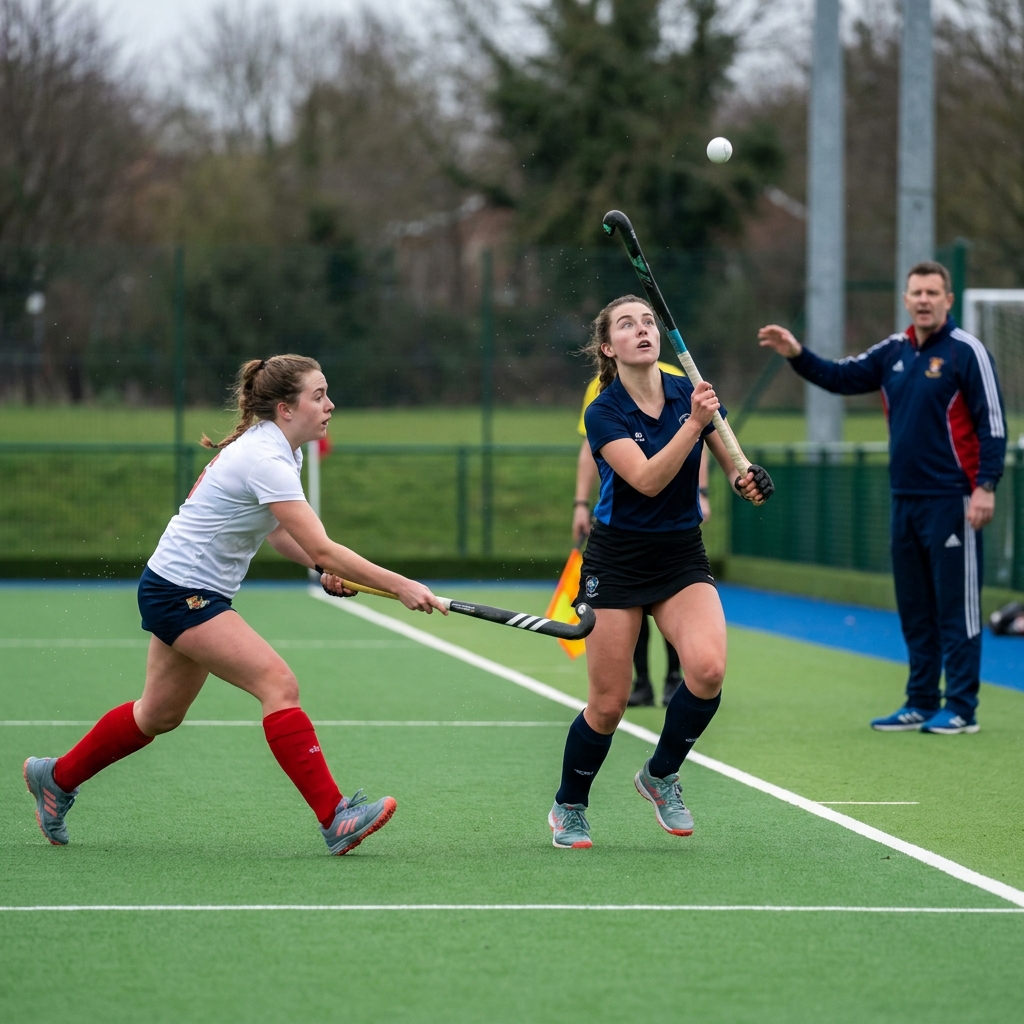
England Hockey's rule guidance for 2026/27 takes effect from 1 September. Here are the changes that will actually alter how you coach, and how to brief your squad in one pre-season session.









