

Goal: reverse dribble= dribbling with ball on your left side
Exercise:
* rotation 1-2-3-4-1
* no 3 plays ball to 1 and then start slalom run towards goal
* No 1 receives ball and does reverse slalom dribble. Toes to attacking goal, feet on right side of the (bibs/rope) line. Ball on their left and doing slalom. No 1 ends in front of No 2 = defender.
* No 2 = defender. Defends static and only with FH. No 1 drags ball from reverse side to normal dribbling position and plays back to no 3.
* No 3 when at cone big push on goal.
* No 4 traps ball and dribbles on his reverse side ( 1 or 2 handed) to position no 1
Reverse side Slalom dribble
Reason: normally with dribbling players have the ball on the right side. Yet to develop effective elimination skills, players should get comfortable to have the ball on the left side of their body, with feet forward.
The skill
* grip, 2 hands apart, double V on small side stick (other side dan normal dribbling position)
* ball on left side of their left foot
* feet forward, to attacking goal (common mistake: toes to the ball on left side instead forward to attacking goal)
* stick 45 degrees with ground, thus “playground” between feet and ball.

in more ways than one
 sportplan_netball



in more ways than one
sportplan_hockey

The first weeks of the season decide whether a junior or new player sticks with adult hockey. Here is how to keep them safe, give them a clear job and build their confidence from the very first bully.
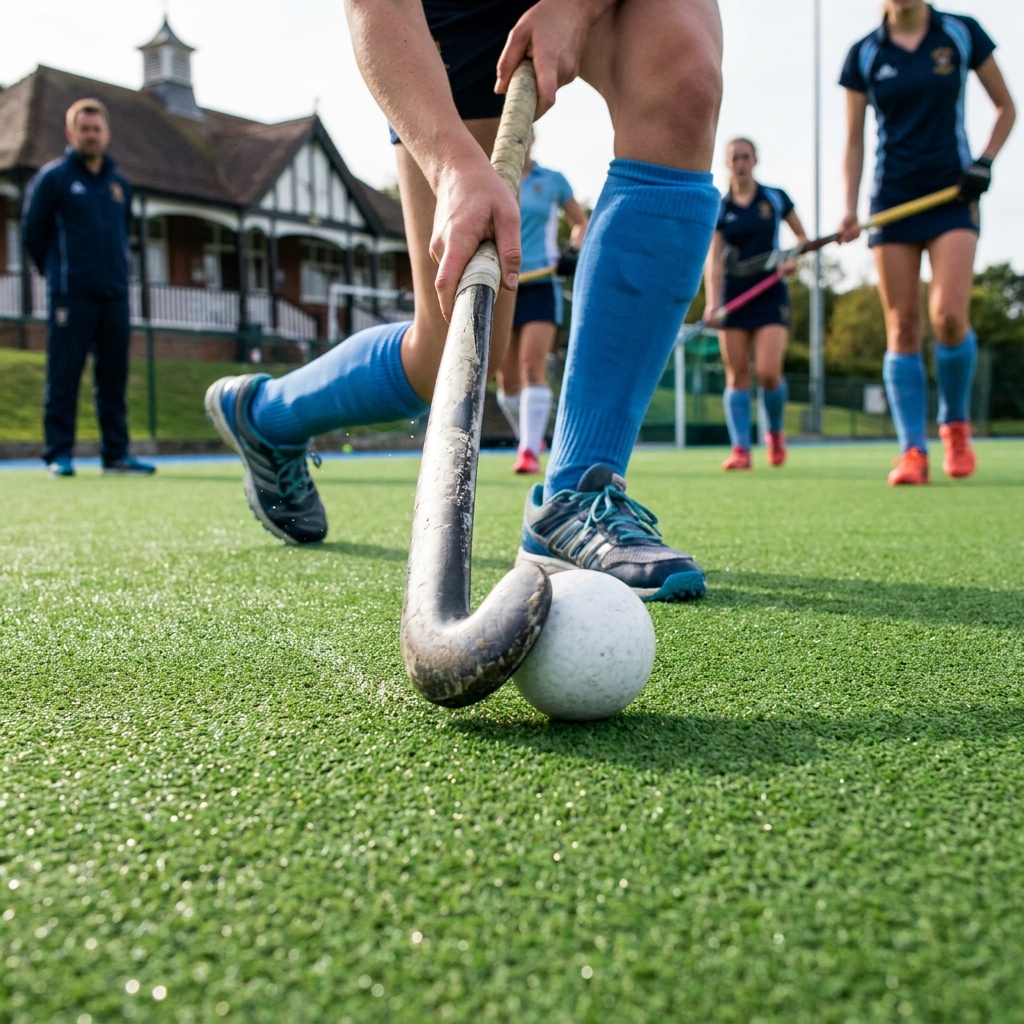
Most tackles are lost before the stick goes down. Teach your defenders to channel, wait and choose the right tackle, and you will win more ball and give away fewer cards.
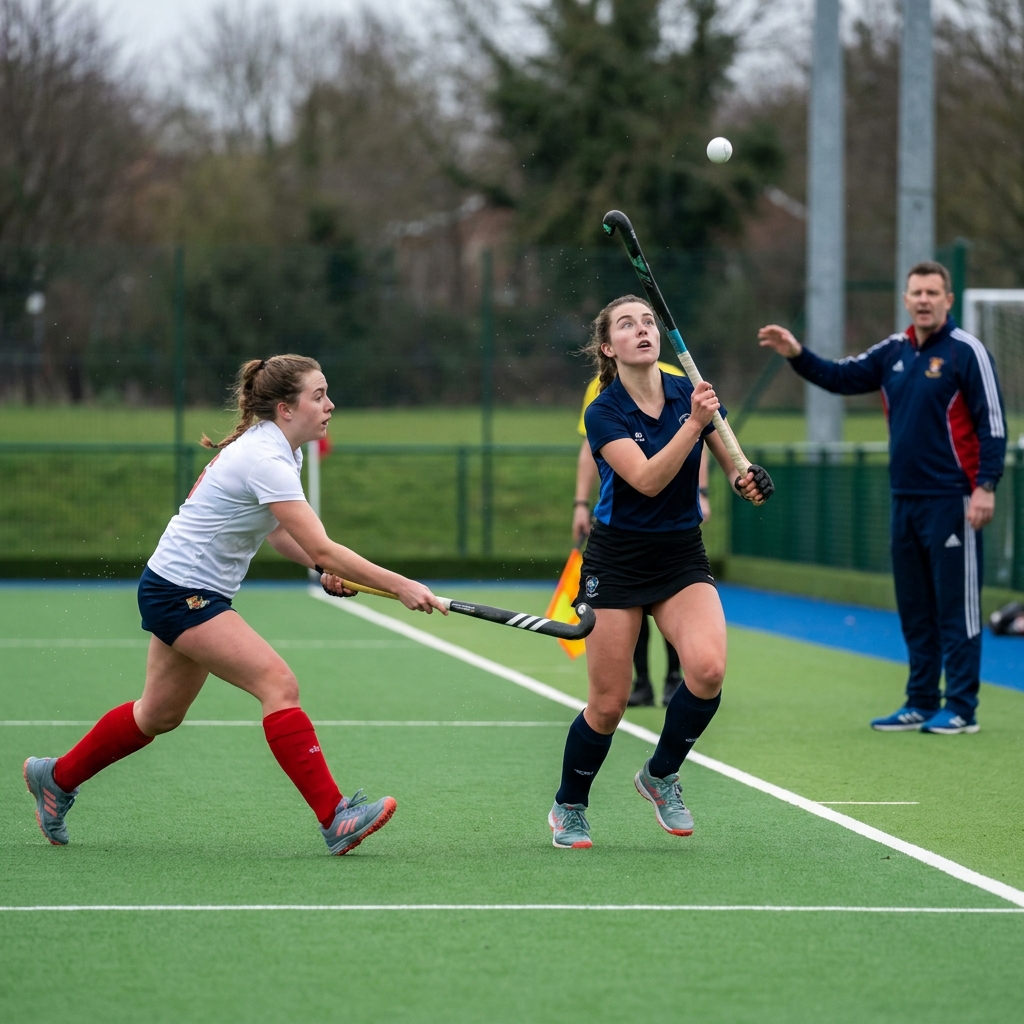
England Hockey's rule guidance for 2026/27 takes effect from 1 September. Here are the changes that will actually alter how you coach, and how to brief your squad in one pre-season session.









