

<p><strong>Goal:</strong> improving vision + dribbling skills<br><br>* players with ball outside circle. All have 5 points at the start. <br>* <strong>2 defenders in circle, no stick.</strong><br>* players with ball try to dribble in circle-around cone and outside circle again with ball ON THE STICK!! <br>* defenders try to tap their ball with their feet. <br>* player with ball succesfull around cone and back= 2 pnts extra. If ball is tapped by defender one point less<br>* change defenders regularly. </p>
<p><em>Nb defenders tap ball with their feet. </em></p><p><strong>Dribbling skills <br><br></strong>* hands apart, double V grip<br>* stick 45 degrees with ground= space between feet and ball to change direction.<br>* left arm, wrist and stick 1 straight line<br>* bent knees, back straight. <br>* change direction through pull back and indian (both indian grip)<br>* look at feet opponent to avoid ball being tapped </p>

in more ways than one
 sportplan_netball



in more ways than one
sportplan_hockey

The first weeks of the season decide whether a junior or new player sticks with adult hockey. Here is how to keep them safe, give them a clear job and build their confidence from the very first bully.
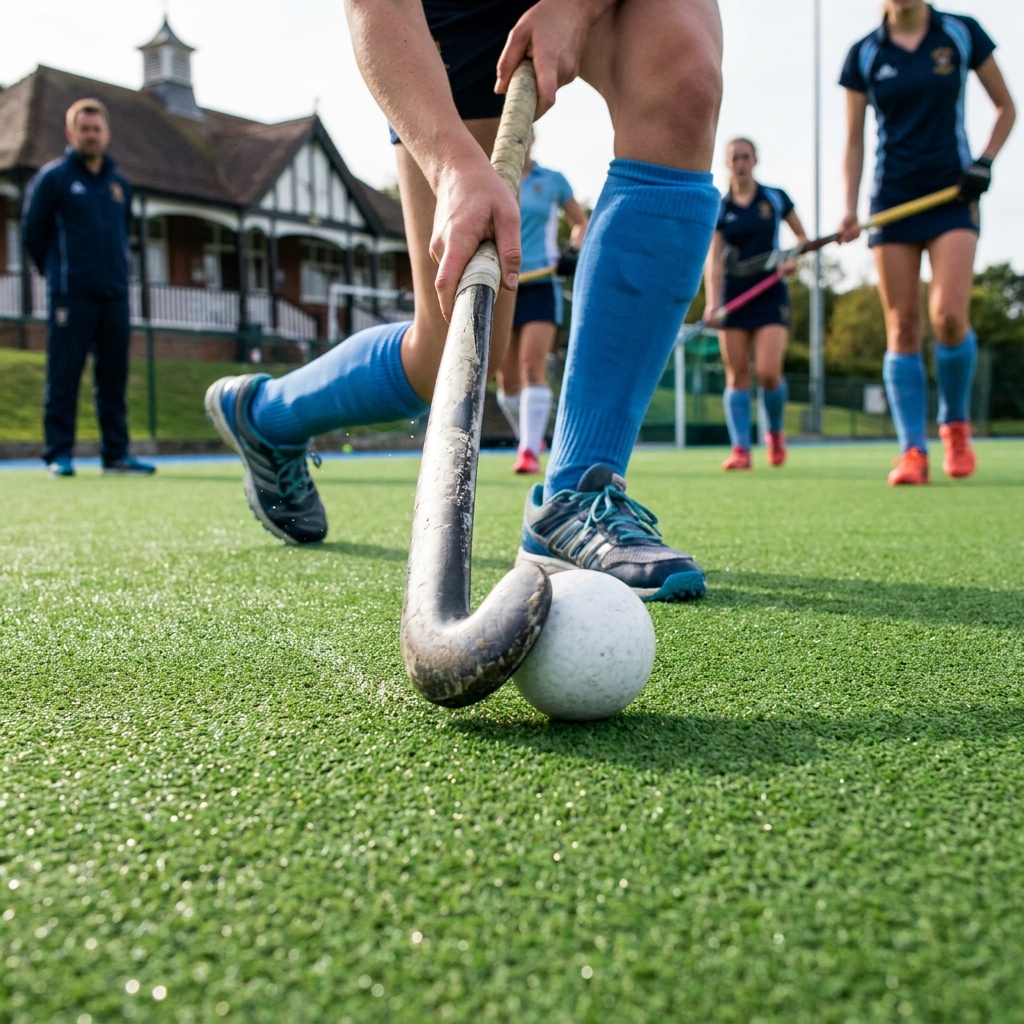
Most tackles are lost before the stick goes down. Teach your defenders to channel, wait and choose the right tackle, and you will win more ball and give away fewer cards.
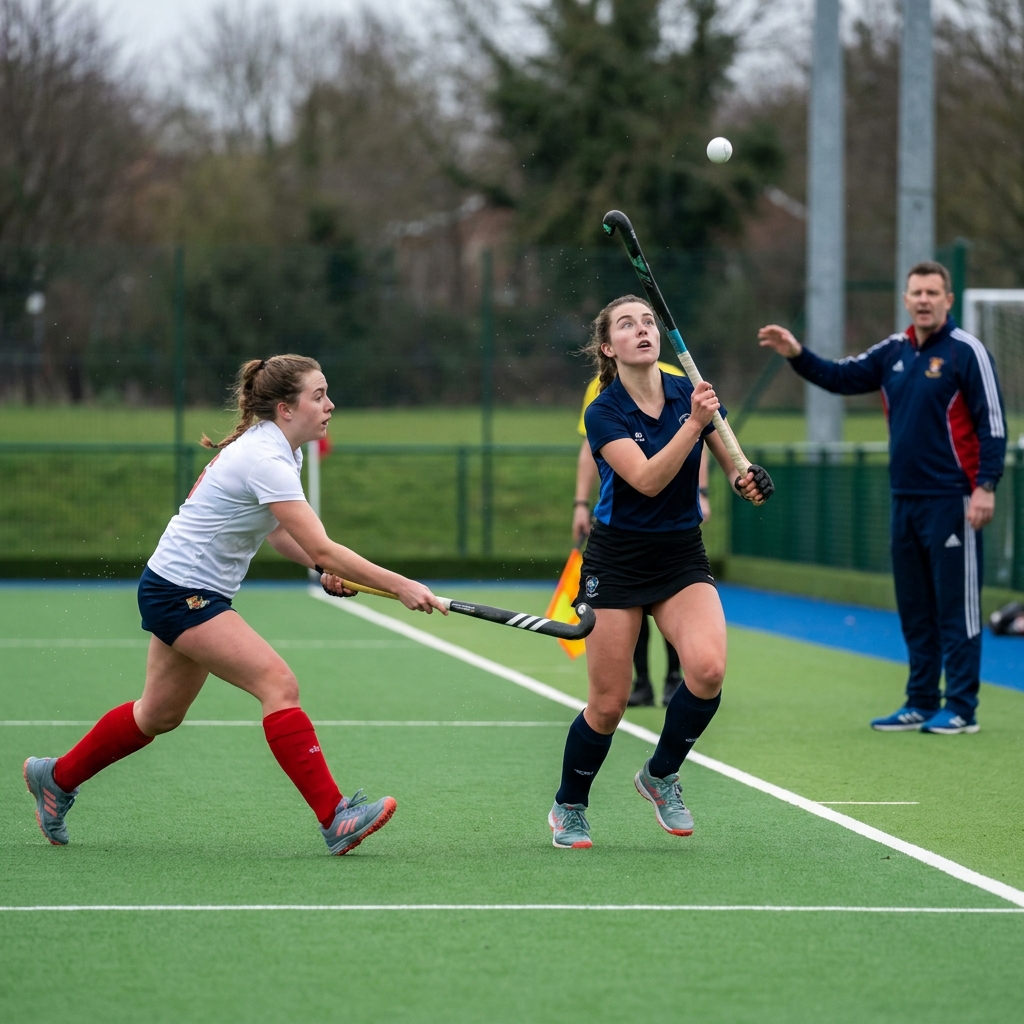
England Hockey's rule guidance for 2026/27 takes effect from 1 September. Here are the changes that will actually alter how you coach, and how to brief your squad in one pre-season session.









