

Goal:
teach tackle back FH and BH
- when to use it
- aim of the skill
- the skill itself
Exercise
* max 4 pp per side (otherwise make one half on other side)
* tell them about when you do a tackle back (see coaching points) + how you do this skill.
* No 2 = defender and plays to No 1. After that he runs to No 1 , practice the tackle back to get the ball.
* No 1 receives ball and tries to score by dribbling the ball over goal line A.
* No 1 scores or -if No 2 gets the ball- he tries to play fast over the midline. If No 1 gets ball again= exercise over.
* Then next couple goes.
* game at end: if you score you get 1 pnt. If you get ball through tackle back= 2 pnts.
NB:
* if kids understand the exercise, ask them what the aim is of the skill.
Variation
* distance between No 1 and No 2 can be larger (more difficult) or smaller (easier
Tackle Back FH and BH
When:if you are chasing opponent towards your own goal.
Goal tackle back: making opponent nervous, forcing him to slow down or make a mistake
The skill :
* stick in 1 hand (left hand)
* right grip: V left hand on the side of stick (FH 1 side, BH other side)
* Stick on the ground if you can touch opponents foot. It already will make him nervous
* If you are in front of opponent, then 2 hands on stick and normal defending.

in more ways than one
 sportplan_netball



in more ways than one
sportplan_hockey

The first weeks of the season decide whether a junior or new player sticks with adult hockey. Here is how to keep them safe, give them a clear job and build their confidence from the very first bully.
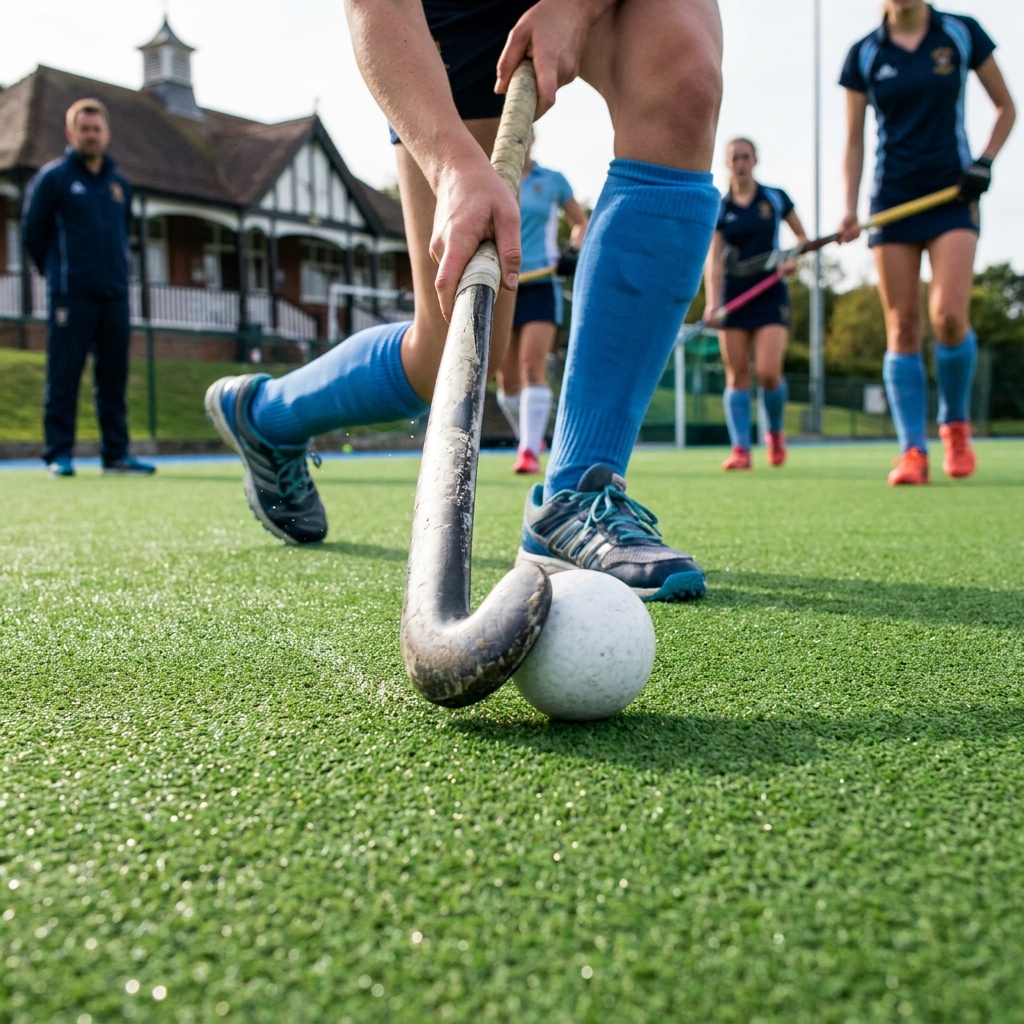
Most tackles are lost before the stick goes down. Teach your defenders to channel, wait and choose the right tackle, and you will win more ball and give away fewer cards.
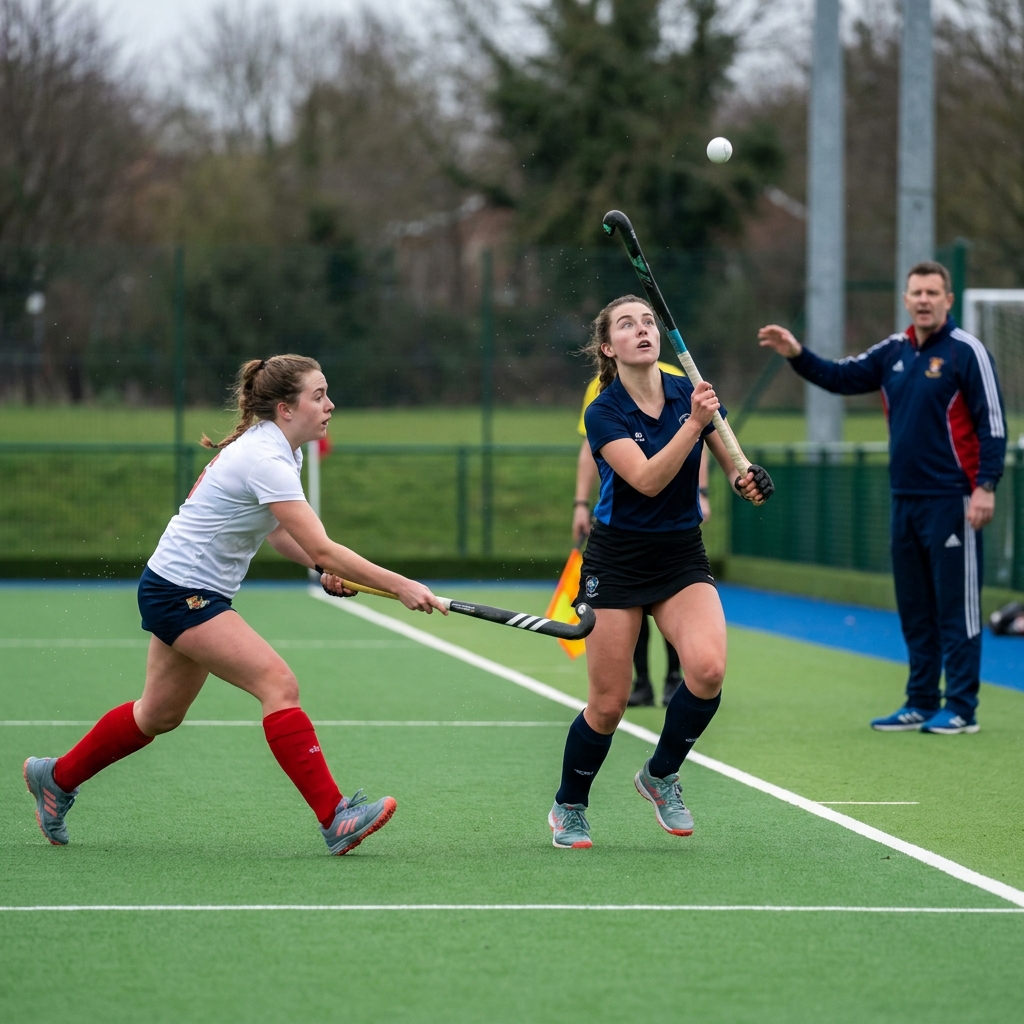
England Hockey's rule guidance for 2026/27 takes effect from 1 September. Here are the changes that will actually alter how you coach, and how to brief your squad in one pre-season session.









