

Goal:
repeat static push straigh with focus on:
- grip
- ball at back foot
- after push stick quater circle around you
The exercise
* couples each ball (or trio's).
* both players push first, then get their ball (safety)
* needs to be a push, thus NO SOUND
* from cone 1 try to push in goal.
* push in goal = both of couple or trio one cone further!! (team feeling)
* Which team is first at cone 4?
NB if one team makes cone 4, then celebrate!! Tell all couples they can try to score from cone 4 to see if they can beat the winning team.
Variations:
- goals smaller
- individual game: one the player who scores goes up
Pusshhh = no sound to surprise opponents. They still see and think you dribble
"
Focus on:
- Grip: 2 hands apart, double V grip
- Feet in “fast start” position
- Ball is with last (right) foot
- Push the ball, release at front foot

in more ways than one
 sportplan_netball



in more ways than one
sportplan_hockey

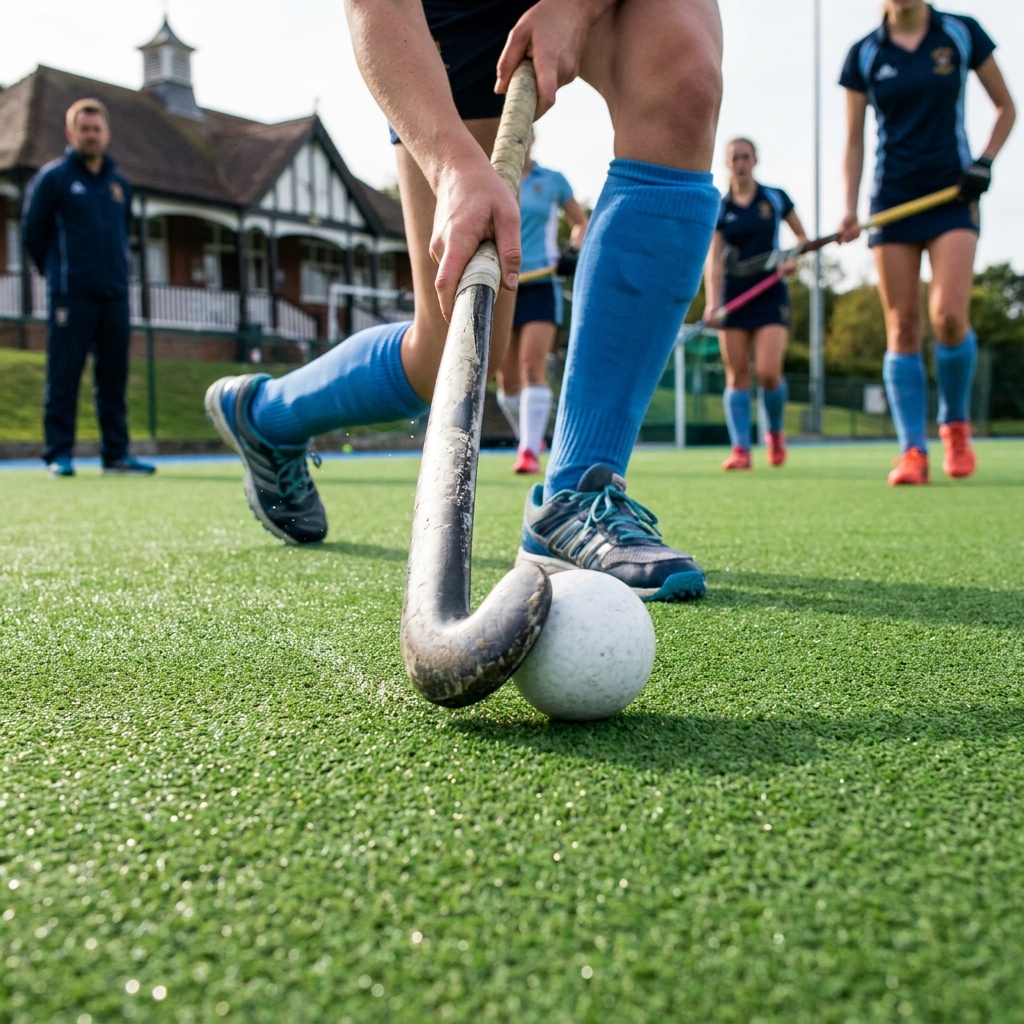
The first weeks of the season decide whether a junior or new player sticks with adult hockey. Here is how to keep them safe, give them a clear job and build their confidence from the very first bully.
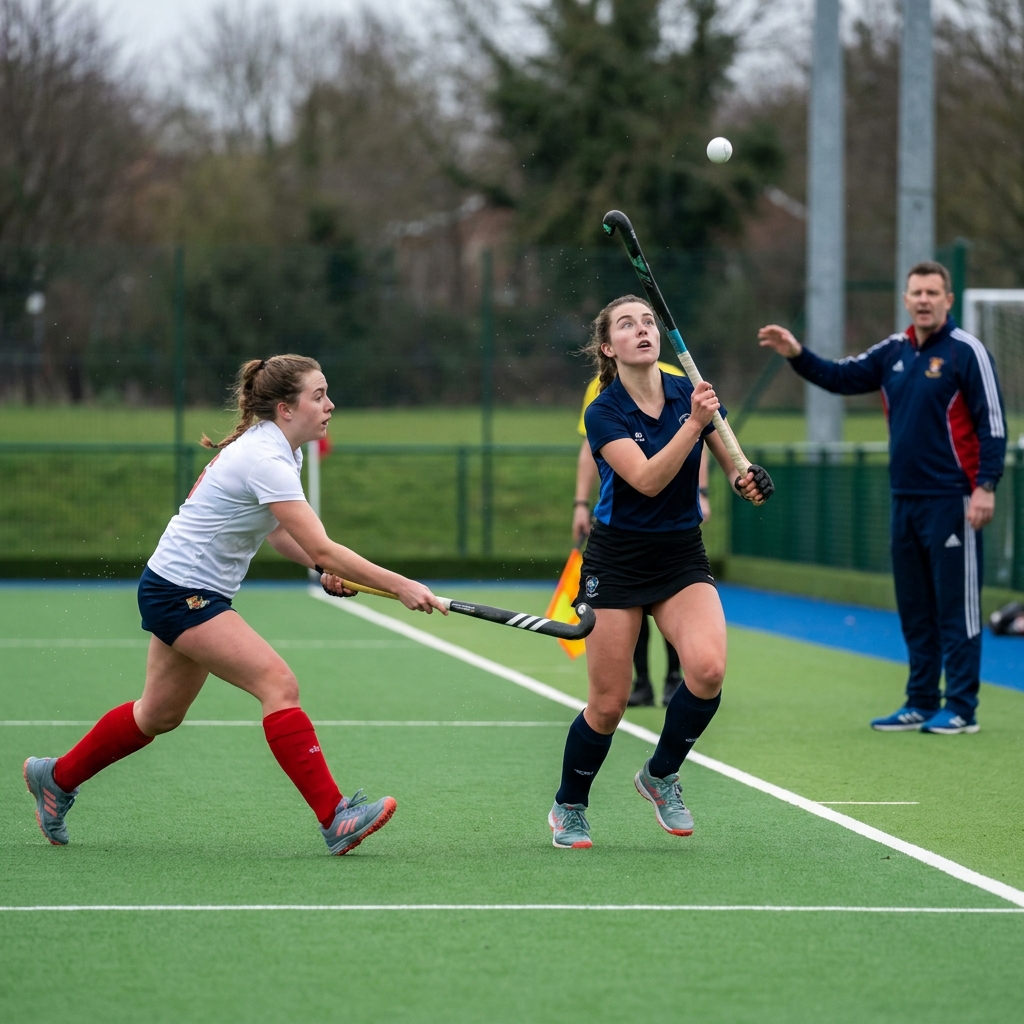
Most tackles are lost before the stick goes down. Teach your defenders to channel, wait and choose the right tackle, and you will win more ball and give away fewer cards.
England Hockey's rule guidance for 2026/27 takes effect from 1 September. Here are the changes that will actually alter how you coach, and how to brief your squad in one pre-season session.









