

1. Place the Gk on the P-spot
2. The coach and another player, or just the coach, plays balls in to the GK at different speeds from the left and right side of the box. (If it is the coach and a player you can alternate the sides)
3. The GK must stop and kick or kick the ball on the move into the corners of the box. Alternate the corners from the same side. i.e. if the ball is coming from the left first then the first corner can be the near post. The next ball from the left side then goes to the far post.
4. Also have the keeper perform cross kicks. i.e. right side, left foot and then right corner or right side, right foot but left corner.

in more ways than one
 sportplan_netball



in more ways than one
sportplan_hockey

The first weeks of the season decide whether a junior or new player sticks with adult hockey. Here is how to keep them safe, give them a clear job and build their confidence from the very first bully.
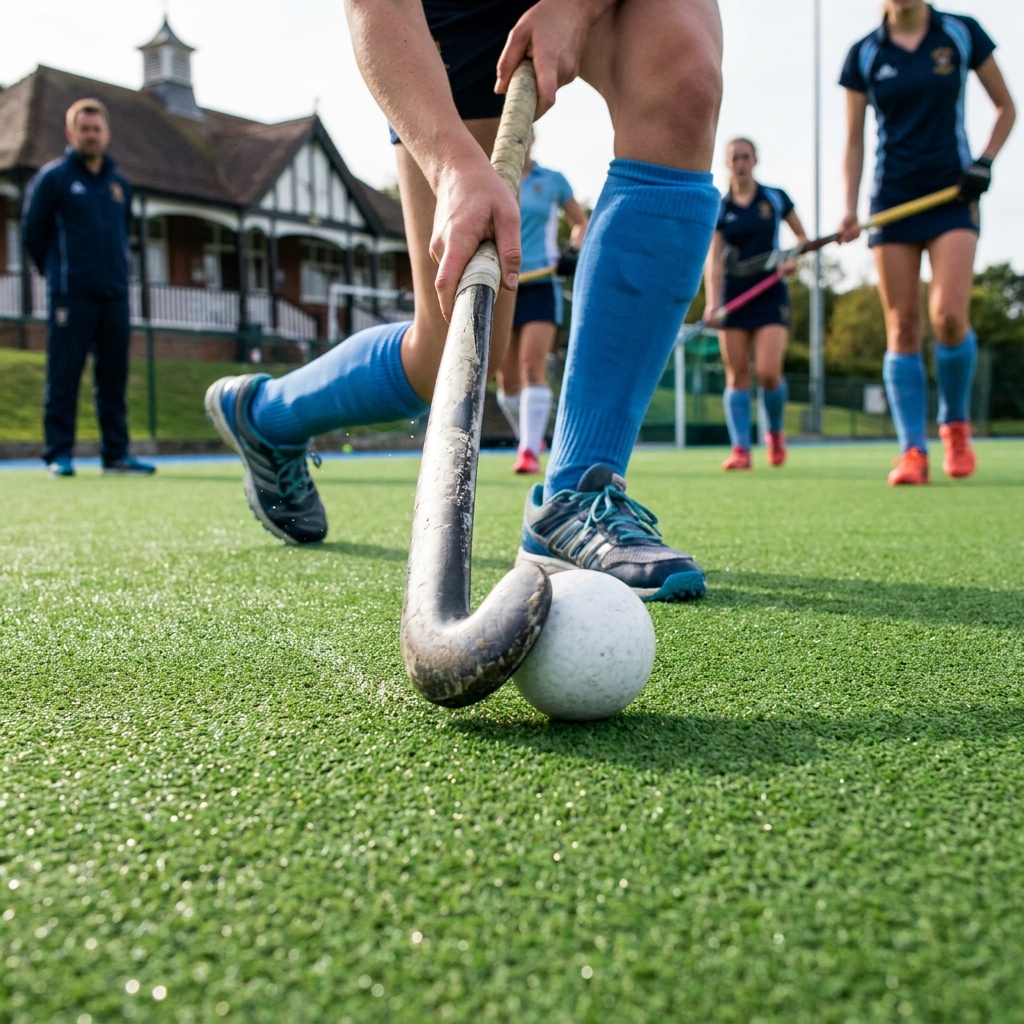
Most tackles are lost before the stick goes down. Teach your defenders to channel, wait and choose the right tackle, and you will win more ball and give away fewer cards.
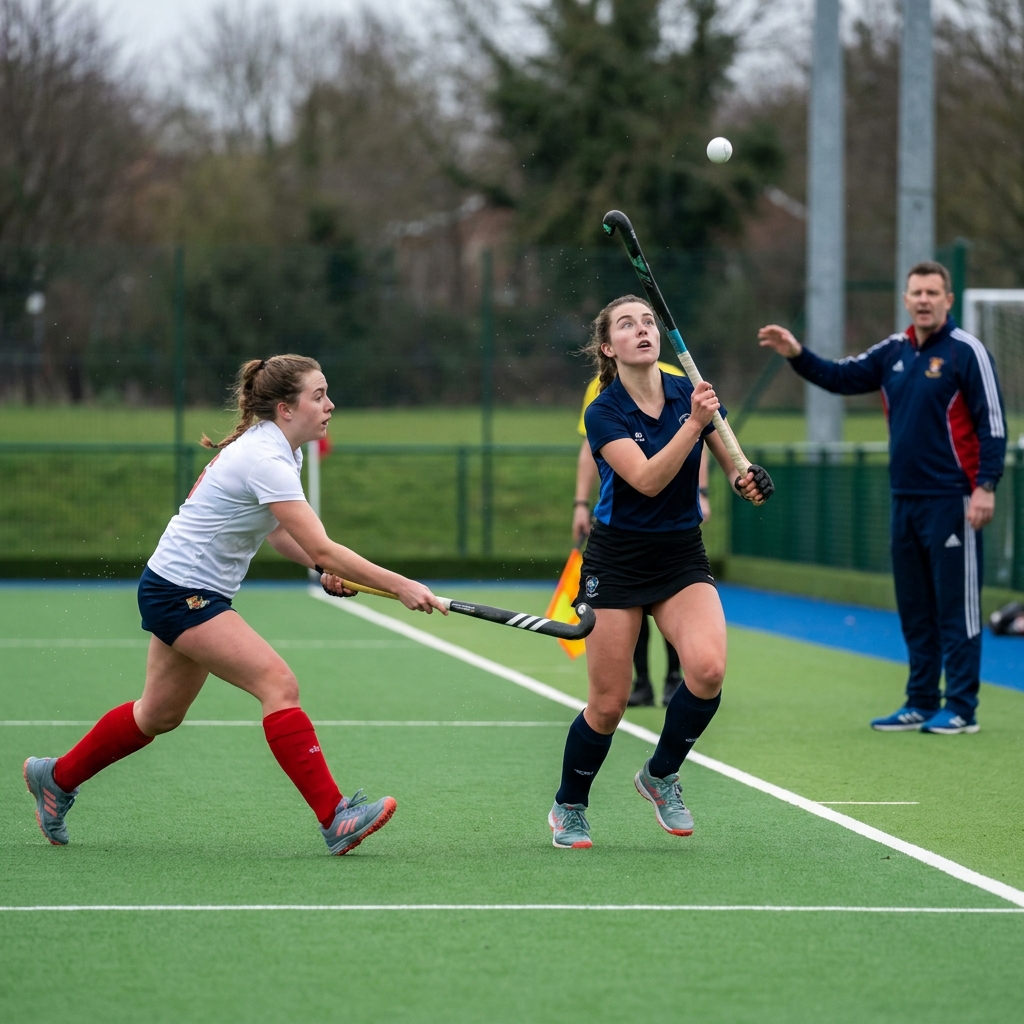
England Hockey's rule guidance for 2026/27 takes effect from 1 September. Here are the changes that will actually alter how you coach, and how to brief your squad in one pre-season session.









