

Choose ONE of the rules below to work on an aspect of the game. You can add it to session/clipboard and delete what you don't need.
- Countdown (for fast breaks and full press): a goal only counts if the other team doesn't score within _ seconds
- Max. touch game (for quick passing): limit number of touches allowed each time you receive the ball
- 5v3 (for overload simulation)
- Individual Restriction: players have an individual restriction, or by group. eg. attackers only 3 touches, defenders stay below half-way line.
- Turnover (earn the right to attack): teasm shoot towards one goal only, and become attacking team by controlling the ball across the half-way line.
- Tackleback Goals: If you regain possession in opposition half and score = double goals
- Switcheroo (for Change direction of play after a goal. Game does not stop - scoring team keep possession and continue play.
- Player2Player - Players are paired up with opposition player and can only tackle their assigned opponent.
- 1Sub: 1 player spends 1 minute off the field. Swap with an opposition team player to always have one team a player up.
- Scorer Forfeit: player that scores has to do some sort of forfeit before they
return to the field, creating a brief numbers up situation.
- Uneven Goals: One big goal and one little goal, or one side single and other side double goals.
- Zone Match: Split field into 4 squares – a player can only move within two squares.
- No Go Match: Section off an area in the centre of the field where players cannot enter (encourages teamplay)
- Magic Player: Section off an area in the centre of the field where one Magic Player stays. Ball must go through the Magic Player, who is always on team in posession.
- End Zone; A point is scored by controlling ball in end zone (area), passing and controlling into end zone. zone is little area.
- Double/Triple Goals: (for wide play and transfers)
- Have two games playing in different directions on the same field.
4 v 4 To goal and switch goal
Coaching depends on type of game, try to really focus on max. 1 to 2 aspects in the game.

in more ways than one
 sportplan_netball



in more ways than one
sportplan_hockey

The first weeks of the season decide whether a junior or new player sticks with adult hockey. Here is how to keep them safe, give them a clear job and build their confidence from the very first bully.

Most tackles are lost before the stick goes down. Teach your defenders to channel, wait and choose the right tackle, and you will win more ball and give away fewer cards.
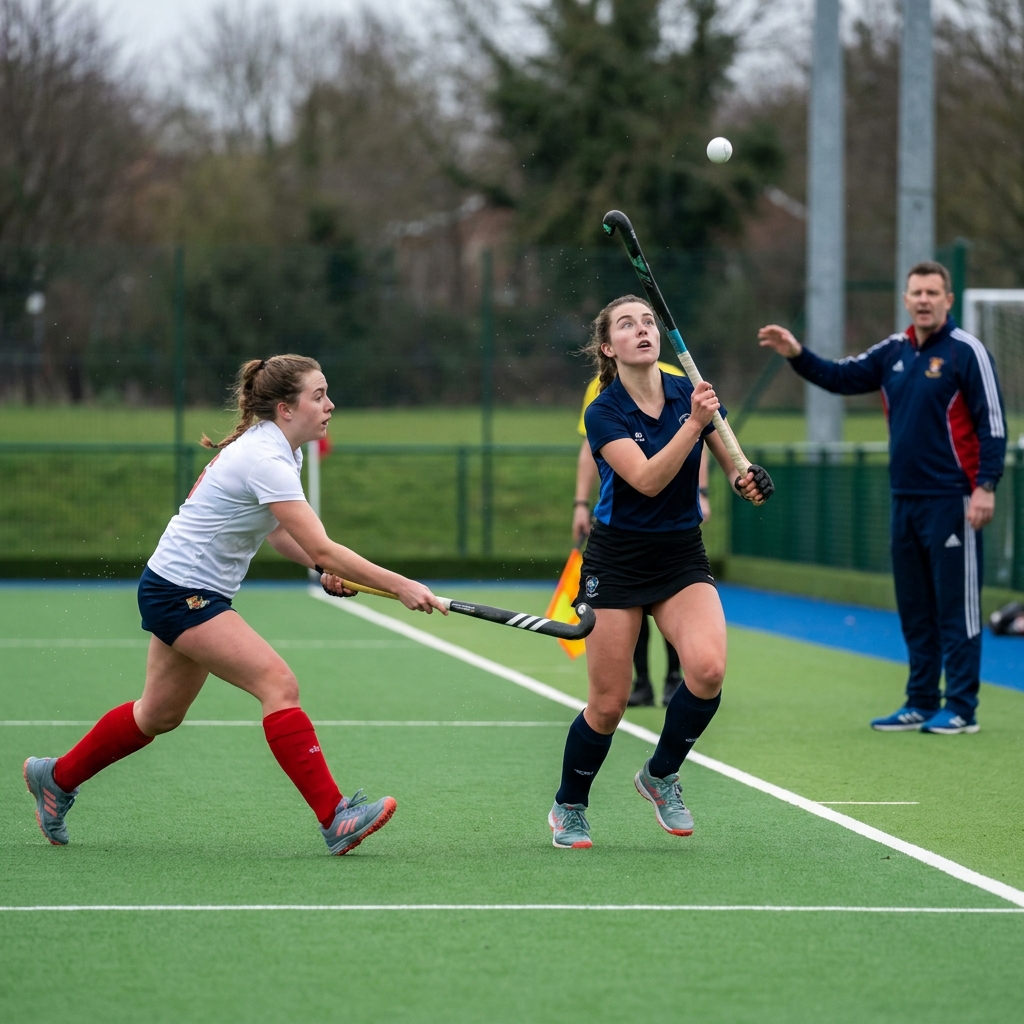
England Hockey's rule guidance for 2026/27 takes effect from 1 September. Here are the changes that will actually alter how you coach, and how to brief your squad in one pre-season session.









