

p1 passes through p2s legs onto tyres
P2 rolls through cones closes to tryes and then passes to p1 through the tyres and recieves through the next cones
Pass and recieve through the cones 1 more time before shot at goal
last pass from p1 should be pass to advance so p2 can recieve open for shot at goal
extension: p1 defends chases after last pass and defends
go on back hand side
lift each pass
use a dummy - p2 has to throw a dummy in and when he does then p1 has to chase
Focus
body position
footwork
repositioning
quick hands
give and go

in more ways than one
 sportplan_netball



in more ways than one
sportplan_hockey

The first weeks of the season decide whether a junior or new player sticks with adult hockey. Here is how to keep them safe, give them a clear job and build their confidence from the very first bully.
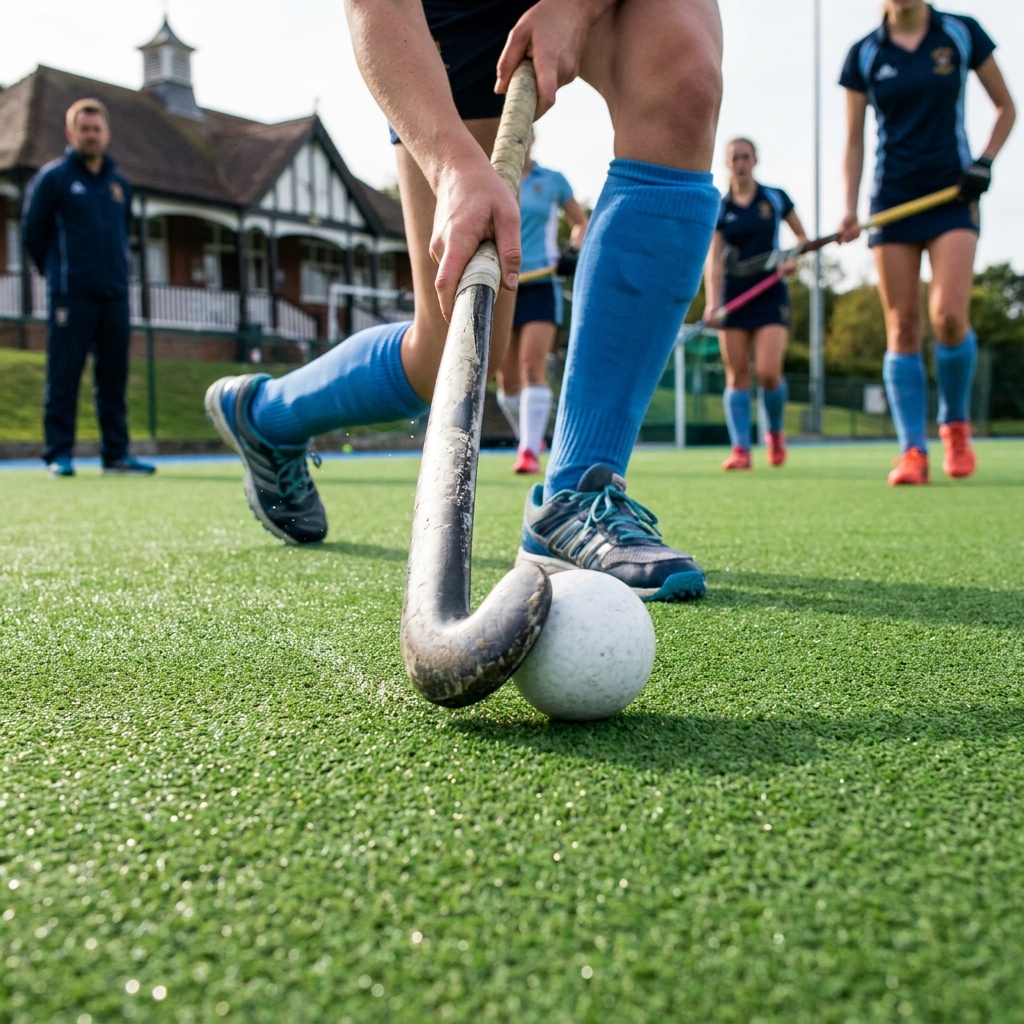
Most tackles are lost before the stick goes down. Teach your defenders to channel, wait and choose the right tackle, and you will win more ball and give away fewer cards.
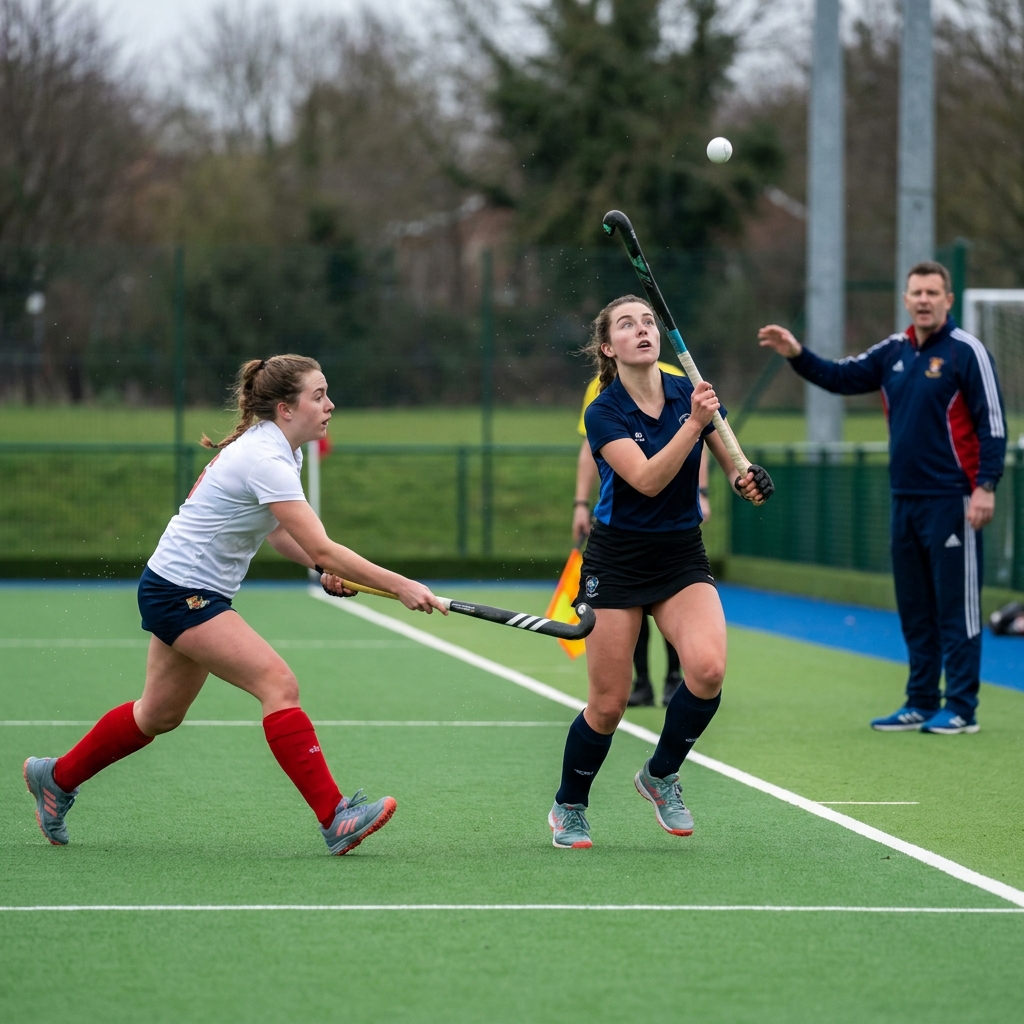
England Hockey's rule guidance for 2026/27 takes effect from 1 September. Here are the changes that will actually alter how you coach, and how to brief your squad in one pre-season session.









