

Variable space game as 5 v 5 or 6 v 6. Outlet shape, posting up midfielder and 2 high attackers to stretch height and width. Continuous matches in 3 teams. Sideline team gets feedback, one team has to double up and work fatigued against the fresher side. 3/4 mins per game max. Use green cards to create overloads.
Use flat marker disks to narrow the pitch as a progression and make them think about how to exploit the new space. change it back again.
Shape in possession
pressure on ball carrier
enhanced technical skills
with and without ball roles
height and width.

in more ways than one
 sportplan_netball



in more ways than one
sportplan_hockey

The first weeks of the season decide whether a junior or new player sticks with adult hockey. Here is how to keep them safe, give them a clear job and build their confidence from the very first bully.

Most tackles are lost before the stick goes down. Teach your defenders to channel, wait and choose the right tackle, and you will win more ball and give away fewer cards.
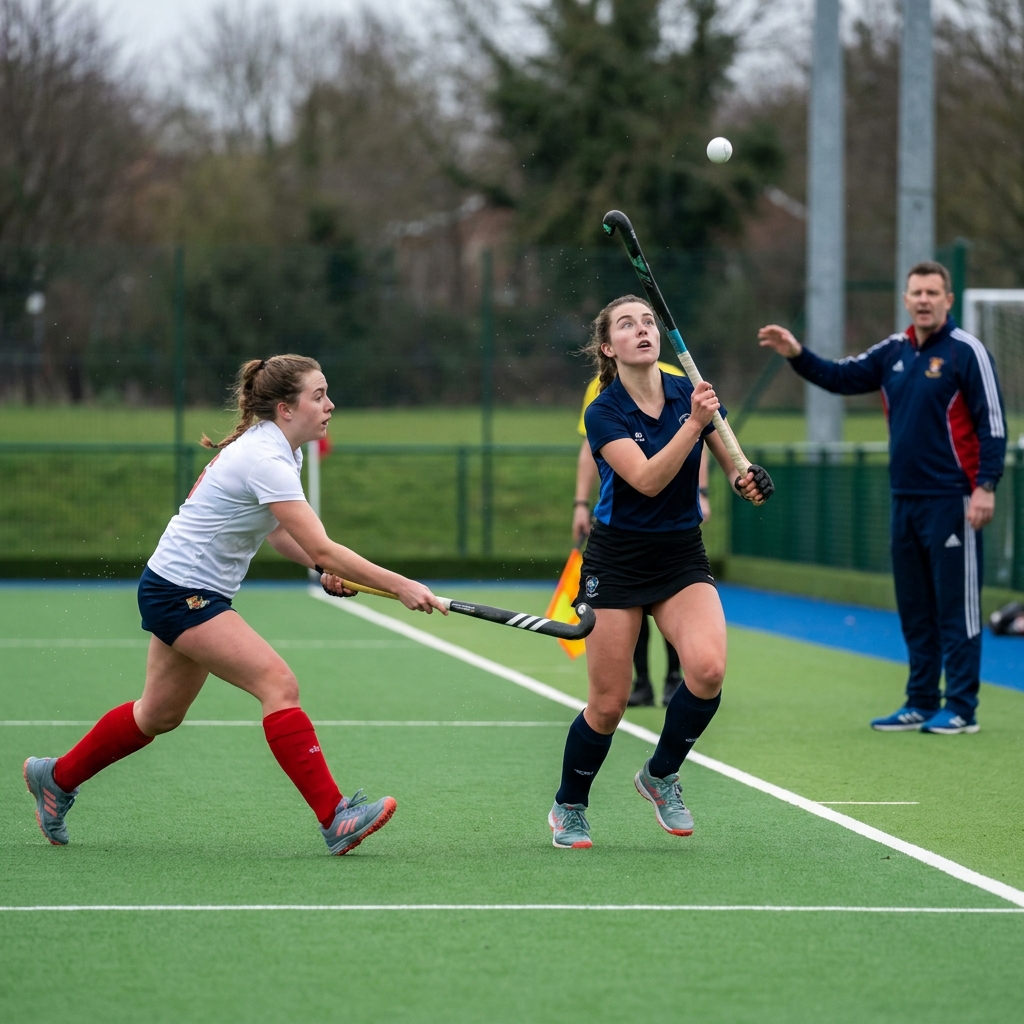
England Hockey's rule guidance for 2026/27 takes effect from 1 September. Here are the changes that will actually alter how you coach, and how to brief your squad in one pre-season session.









