

Using half a pitch or similar.
Ask for 2 volunteers 2 be 'Bulldogs'.
All other players have a ball each and start at one end of the pitch which is a 'safe zone' where they can't be tackled.
Bulldogs stand in the middle of the pitch.
When the game starts, players attempt to dribble to the opposite side 'safe zone' without the Bulldogs getting a touch on their ball.
If a Bulldog touches a players ball then this player becomes a Bulldog too.
Repeat until all dribbling players have been made into Bulldogs.
Encourage players to maximise their vision whilst dribbling (try not to look down at the ball/ground) in order to identify areas of space to dribble into and use a change of pace to exploit these areas.
If a dribbling player has to engage a Bulldog they should use appropriate skills to prevent their opponent touching the ball. For example consider how they can get their body between opponent and ball to prevent them from reaching it easily.
Encourage Bulldogs to defend in small groups rather than as individuals.
Make sure everyone keeps moving as much as possible - it is a warm up!

in more ways than one
 sportplan_netball



in more ways than one
sportplan_hockey

The first weeks of the season decide whether a junior or new player sticks with adult hockey. Here is how to keep them safe, give them a clear job and build their confidence from the very first bully.
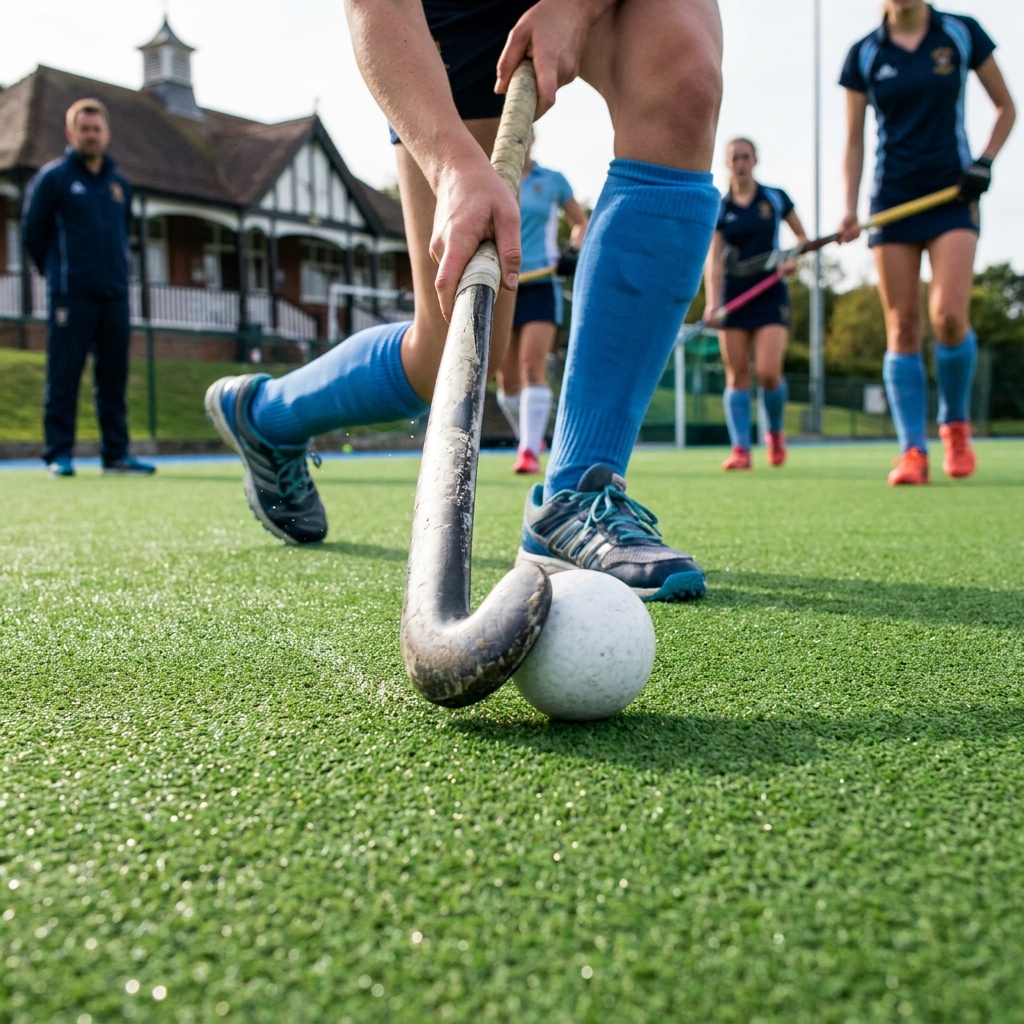
Most tackles are lost before the stick goes down. Teach your defenders to channel, wait and choose the right tackle, and you will win more ball and give away fewer cards.
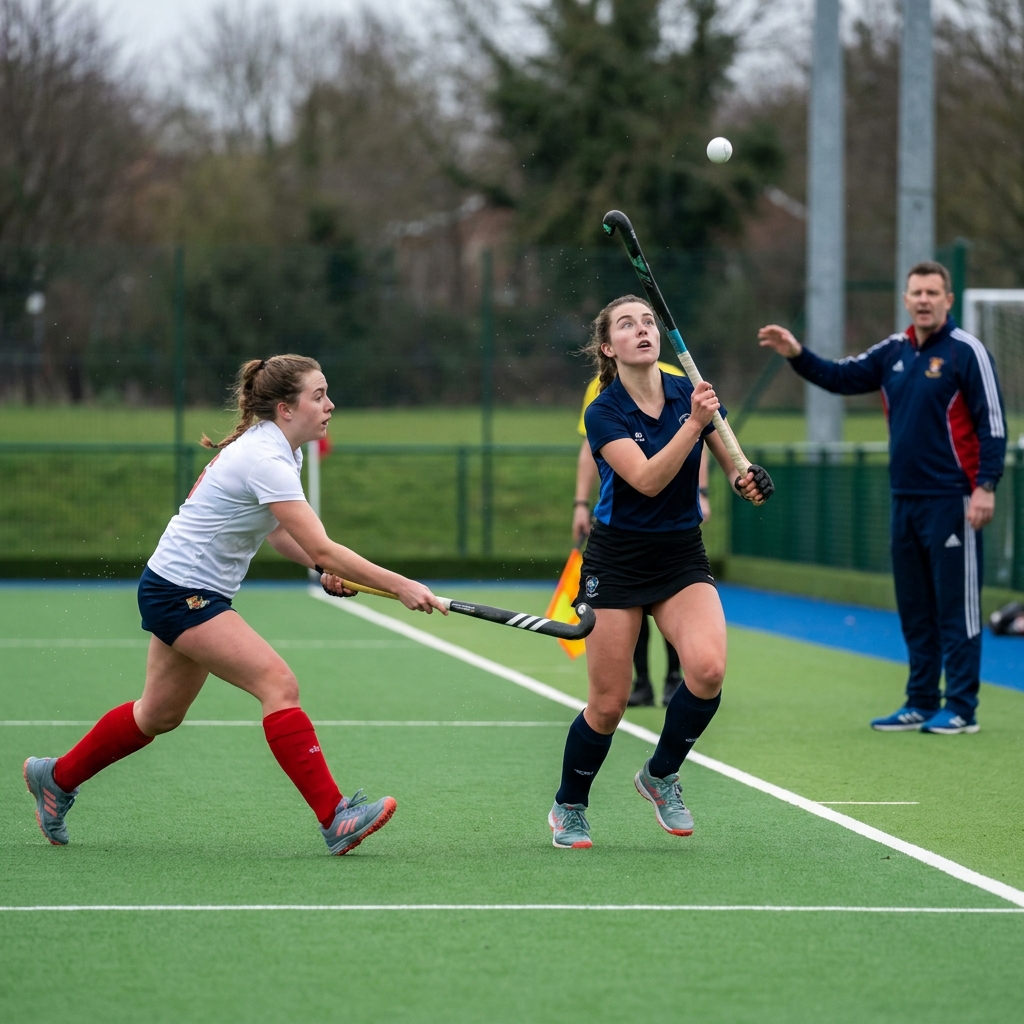
England Hockey's rule guidance for 2026/27 takes effect from 1 September. Here are the changes that will actually alter how you coach, and how to brief your squad in one pre-season session.









