

Goal
1. improve Block tackle FH/ reverse
2. Teach when Block tackle
How:
- set out 3 small turfs (see drawing)
- 3 groups of 5 or 6 persons.
- 2 goals 1 side, + circle of 5 m + end line on 2/3 of length 23-midline
Game
1. Team 1 attacks, try to score by:
a) putting ball on foot in circle = 3 pnts
b) score in goal A or B by dribbling= 1 pnts
2. Team 2 defend. If team 2 gets ball= play to nr 3. Succesfull?
- nr 3 and nr 2 person who passed the ball can attack circle. Team nr 1 defend. Team 2 person who didn't pass go on the position of 3.
Nb with 6 persons than both nr 2 go on the position of 3.
Teach when you do a block tackle on the turf.
1. When spaces are small, congested.
2. In circle to protect foot
2. Improve blocktackle FH and BH. Focus on:
- taking ball with shaft (low, bend knees)
- surprise opponent if you are 1 stick length away : take suddenly a big step forward and shove your stick with shaft to ball

in more ways than one
 sportplan_netball



in more ways than one
sportplan_hockey

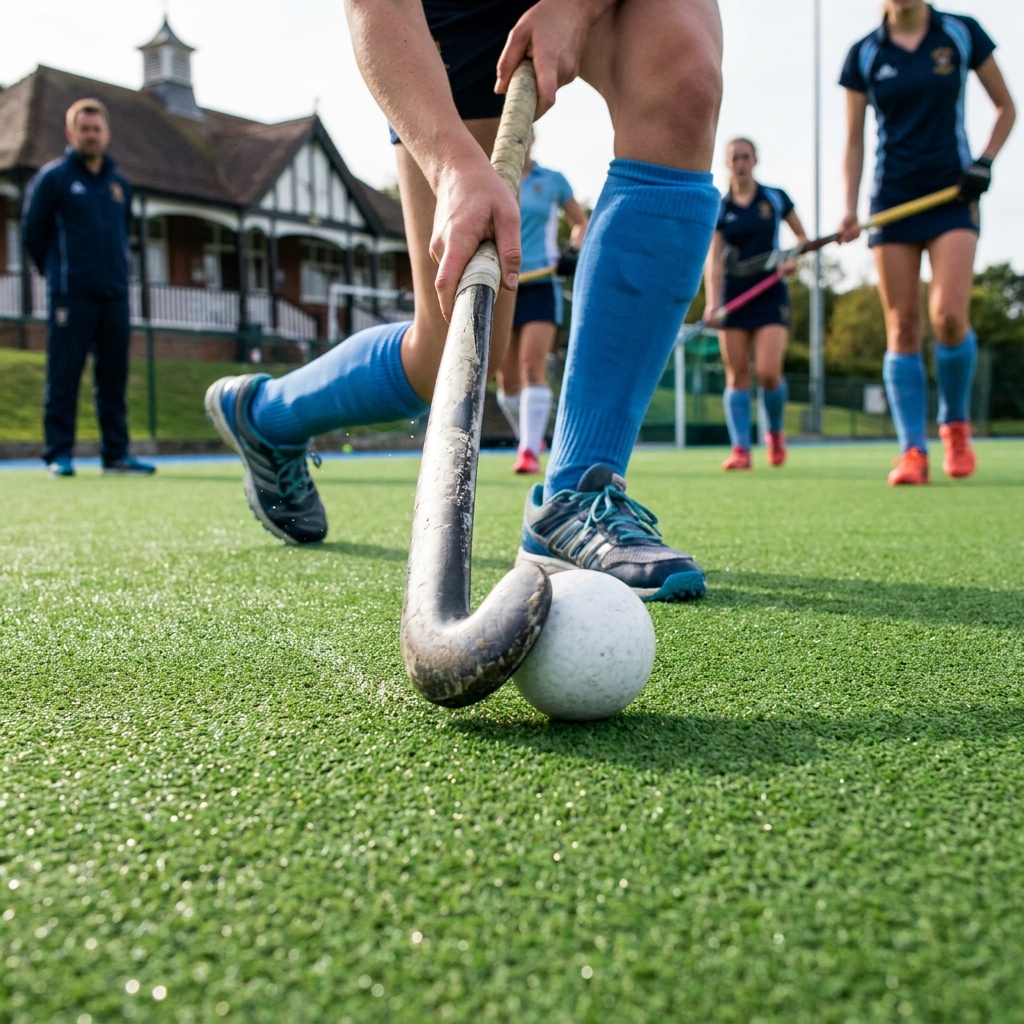
The first weeks of the season decide whether a junior or new player sticks with adult hockey. Here is how to keep them safe, give them a clear job and build their confidence from the very first bully.
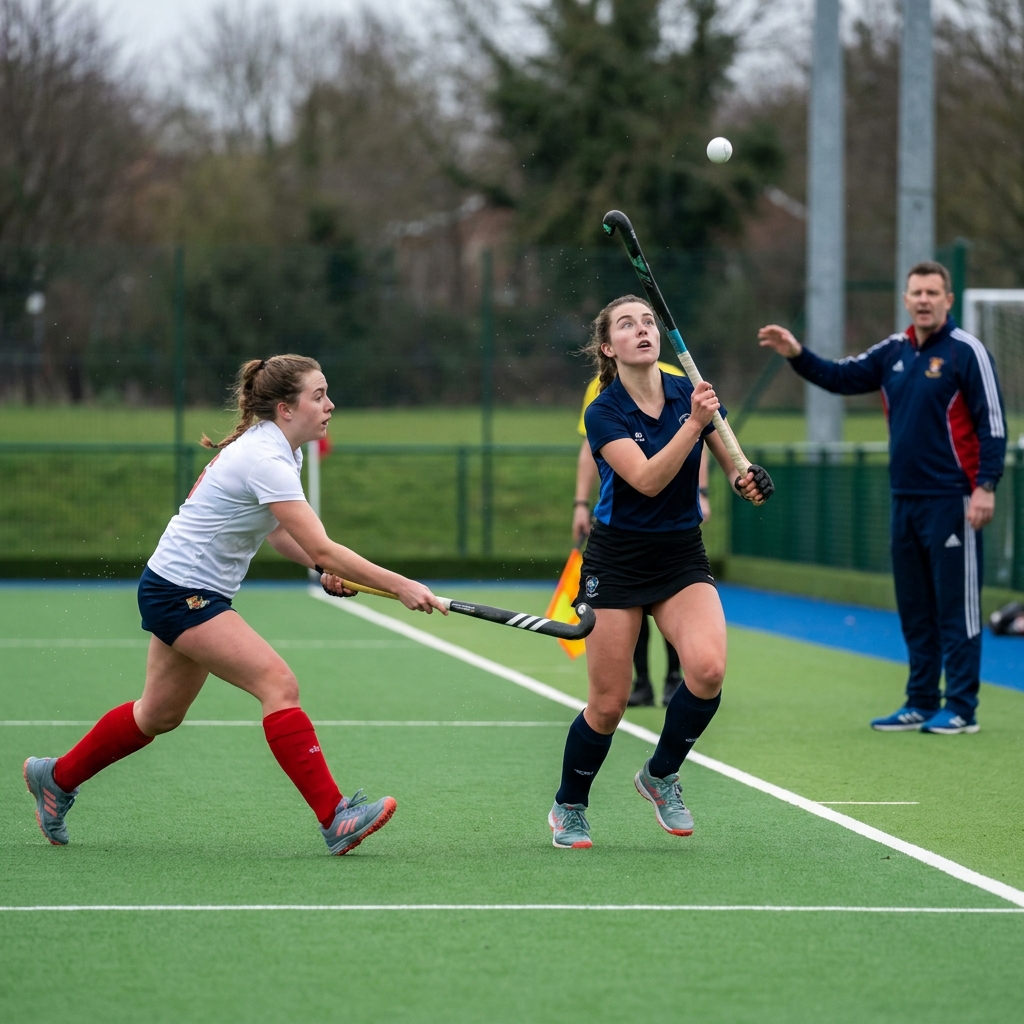
Most tackles are lost before the stick goes down. Teach your defenders to channel, wait and choose the right tackle, and you will win more ball and give away fewer cards.
England Hockey's rule guidance for 2026/27 takes effect from 1 September. Here are the changes that will actually alter how you coach, and how to brief your squad in one pre-season session.









