

Flexible game format:
Number off 1-3 players and position them each on three cones at the side of the pitch and do the same for the other team of three.
Coach roles ball onto pitch and calls "number 3's". They race round the outside of the pitch through their goal to the ball and then first to score 1 on 1.
You then repeat for No 1's. Etc. Points for goals to their team as a collective score.
You can then do 2 on 2 same format or 3 on 3.
Encourage usE of the reverse stick, passing with points for that as well as goals.
Mix it up 2 on 1, 2 on 2, or 3 on 1.
Keep cumulative team score.
You can also vary this to be set play side line hits or a sixteen to get them used to game situations
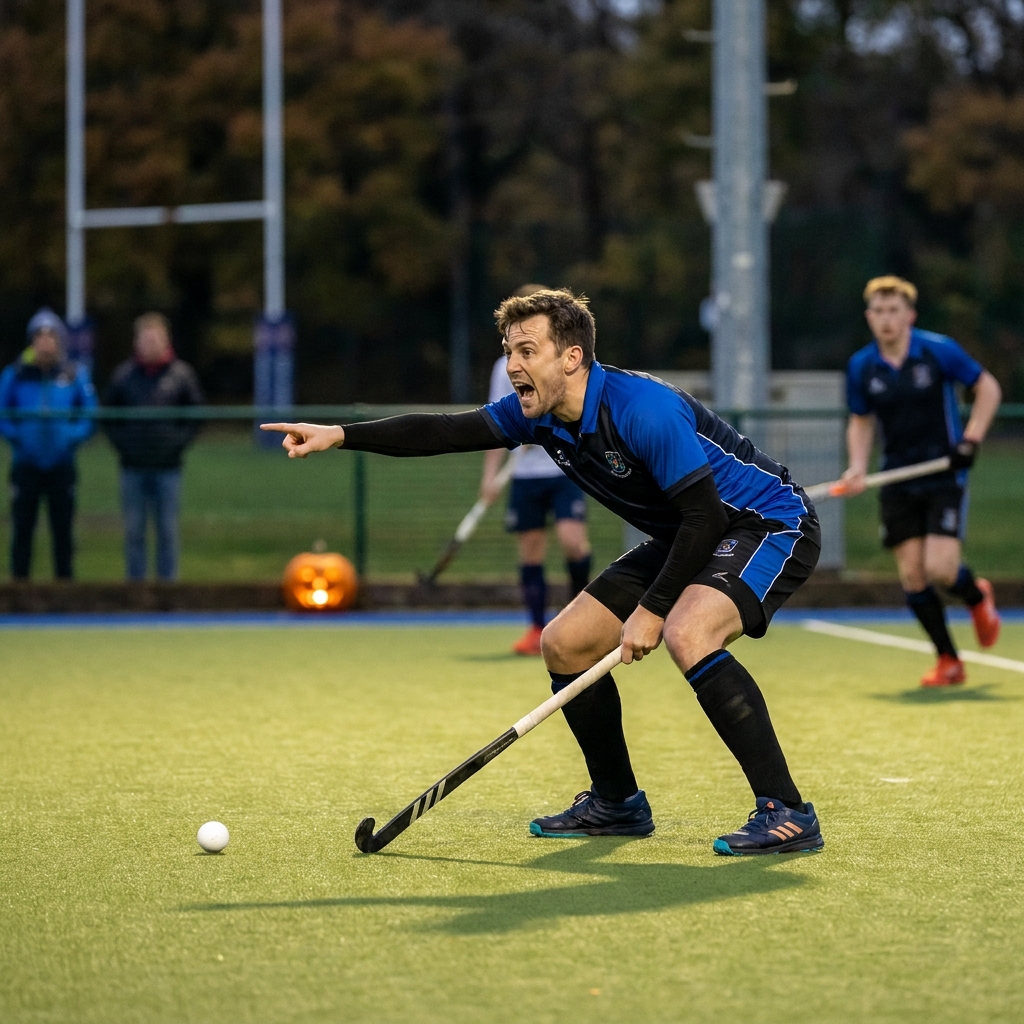
Two defenders chase the ball, nobody covers the runner, and a soft goal goes in. Here is the five-step treat for the mix-up haunting hockey defences this October.

A few weeks into the league season, poor first touches are costing teams the ball. Coach body shape, scanning and receiving on the move to keep possession.

Pre-season fitness fades fast once the league starts. Build conditioning into ball work and use rolling subs well to keep your squad sharp all season.


Register for FREE and get coaching tips, top drills, session and more every week!








