

the initial defender (D) should look to force the Attacker (A) in one direction (preferably away from goal)
this can be beneficial when we work as a team
meaning forcing A's into other D's tackles
once the defender wins the ball they must also attack to goal
once dead, start the ball with the attacker again

in more ways than one
 sportplan_netball



in more ways than one
sportplan_hockey
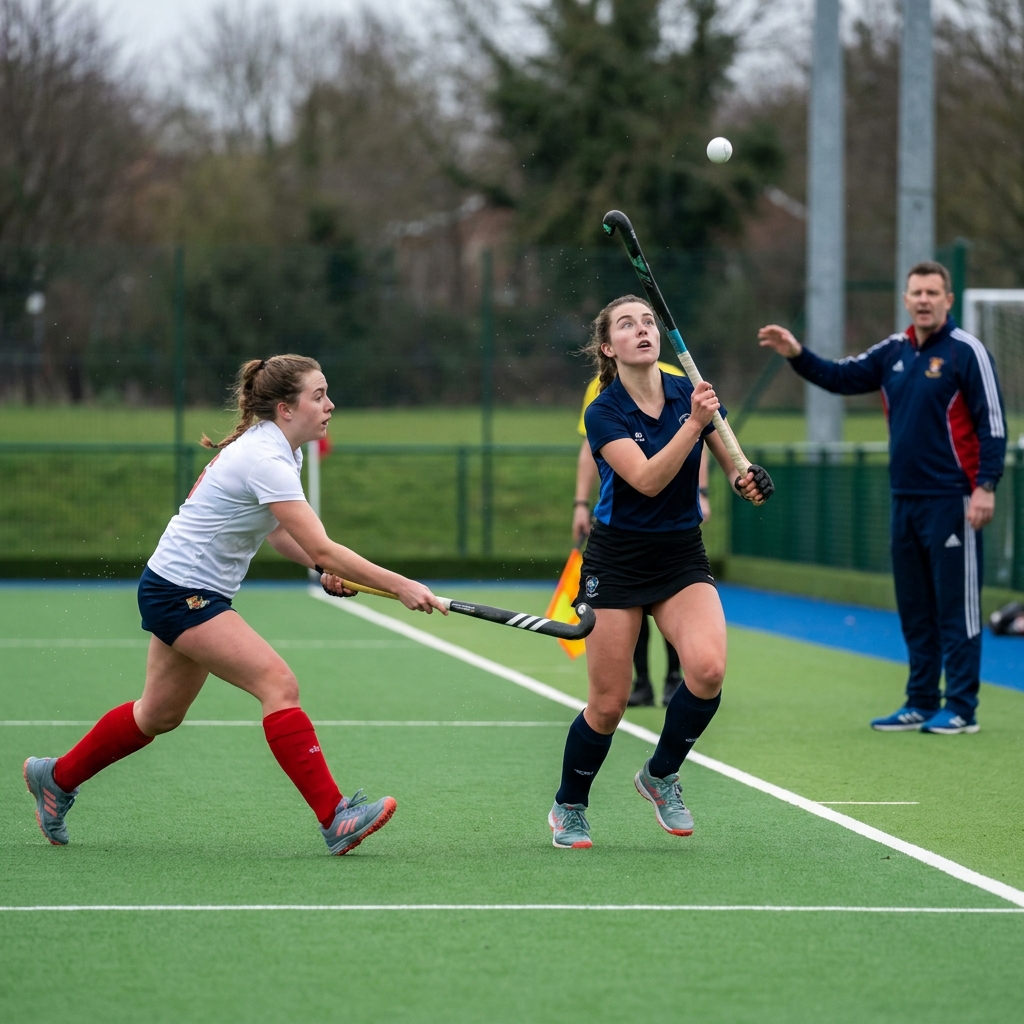
England Hockey's rule guidance for 2026/27 takes effect from 1 September. Here are the changes that will actually alter how you coach, and how to brief your squad in one pre-season session.
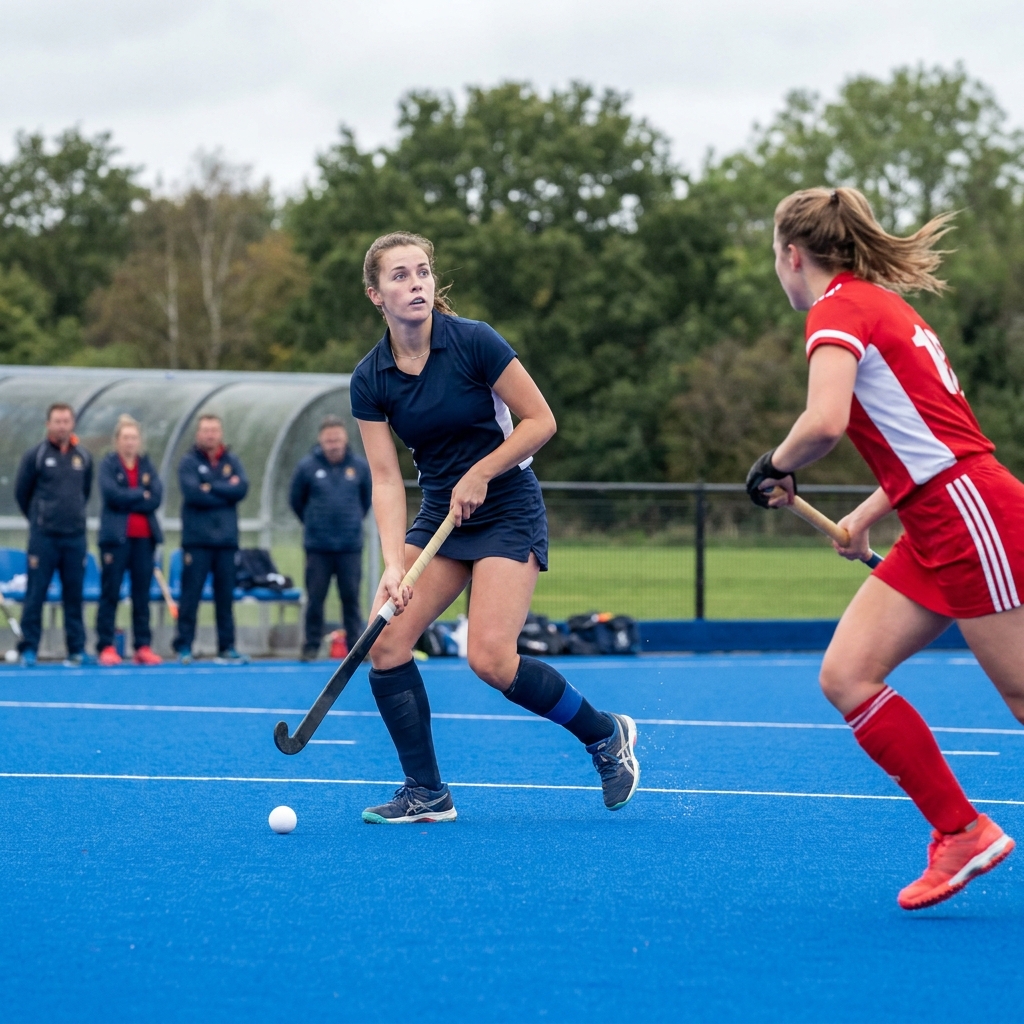
Turnovers in your own defensive quarter are the most expensive mistakes in hockey. Build an outlet structure your team can execute under a full press, not just in a warm-up.
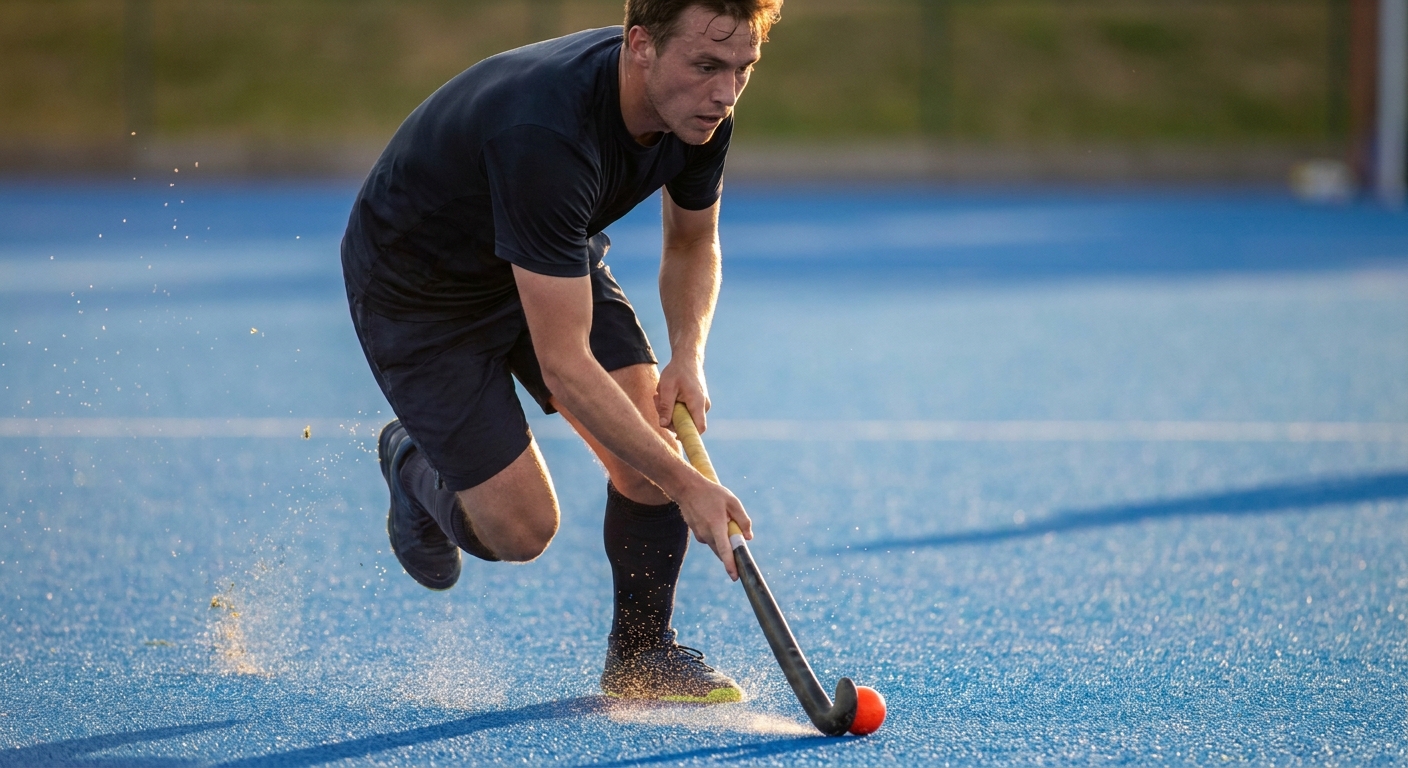
Summer is the window that decides how your team starts in September. Here is how to build a hockey-specific fitness base with the ball, not just endless running, so players arrive sharp rather than shattered.









