

Organisation
the game is played between the 23m and the halfway line but the field can be made smaller or narrower with the beacons. Two teams of equal numbers are required opposite each other
Exercise
each group of players decides which player goes first then second etc.
player 1 must try and hit the ball over the goal/back line of the other players.
the black players must try and stop the ball before it crosses the line and where he stops the ball he can then hit from.
then if the white player stops the ball, then they in turn can hit the ball towards black and so it goes on.
if the receiving team deflects the ball over the side line then the black team can take another hit from the same place again.
Variations
the player that stops the ball can then hit the ball back;
to practice receiving and throwing overheads play the game with overheads only.
Instructions
each team must decide how best to stop the ball crossing their line and then try and hit the ball over the opponents line;
the players must try to get behing the ball when stopping and also anticipate where the ball is going to be hit;

in more ways than one
 sportplan_netball



in more ways than one
sportplan_hockey

The first weeks of the season decide whether a junior or new player sticks with adult hockey. Here is how to keep them safe, give them a clear job and build their confidence from the very first bully.
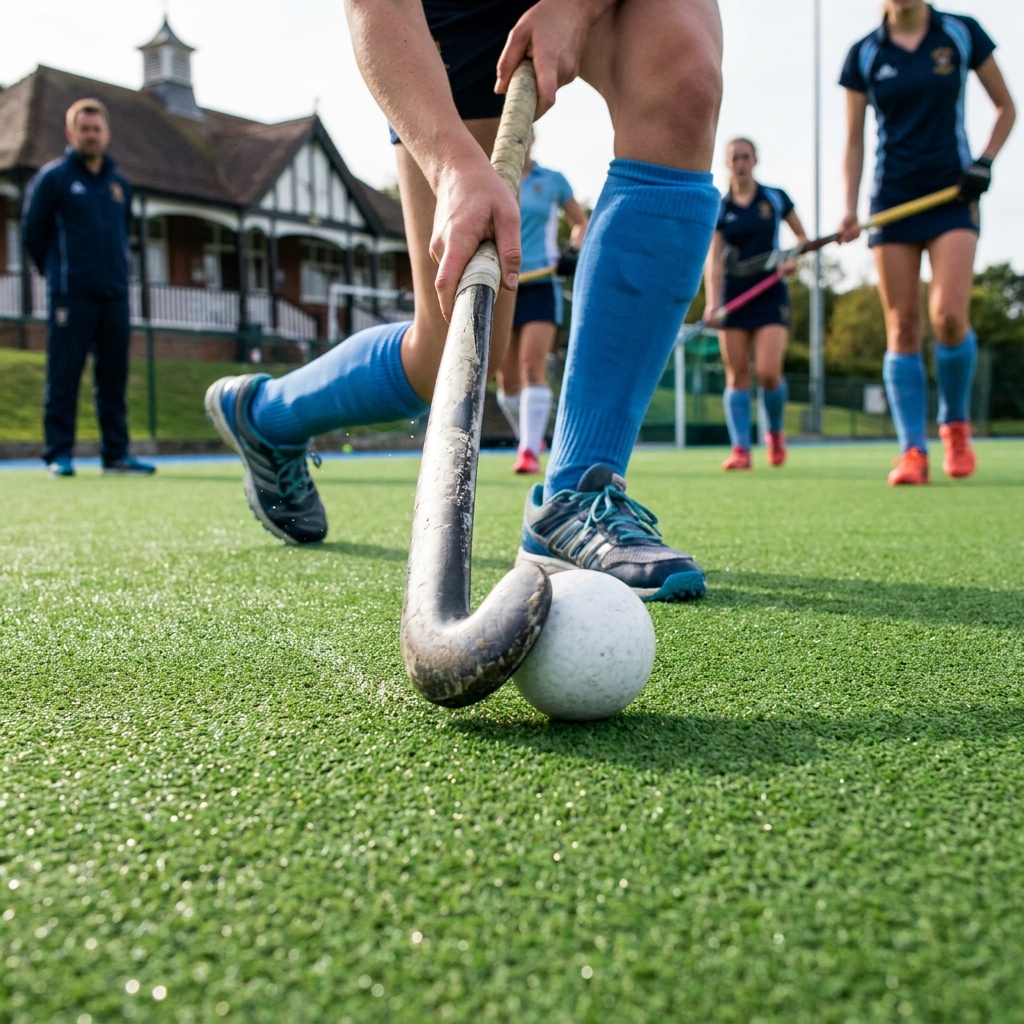
Most tackles are lost before the stick goes down. Teach your defenders to channel, wait and choose the right tackle, and you will win more ball and give away fewer cards.
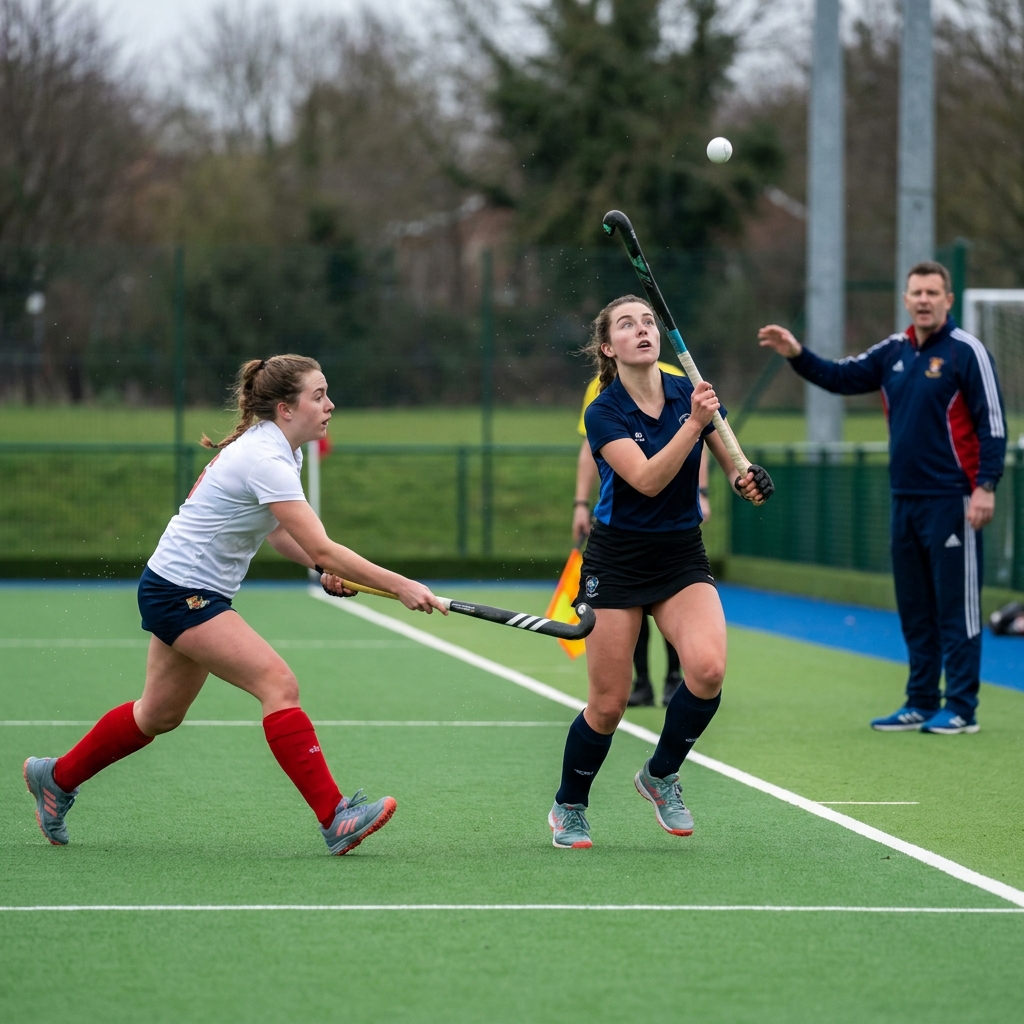
England Hockey's rule guidance for 2026/27 takes effect from 1 September. Here are the changes that will actually alter how you coach, and how to brief your squad in one pre-season session.









